Publication

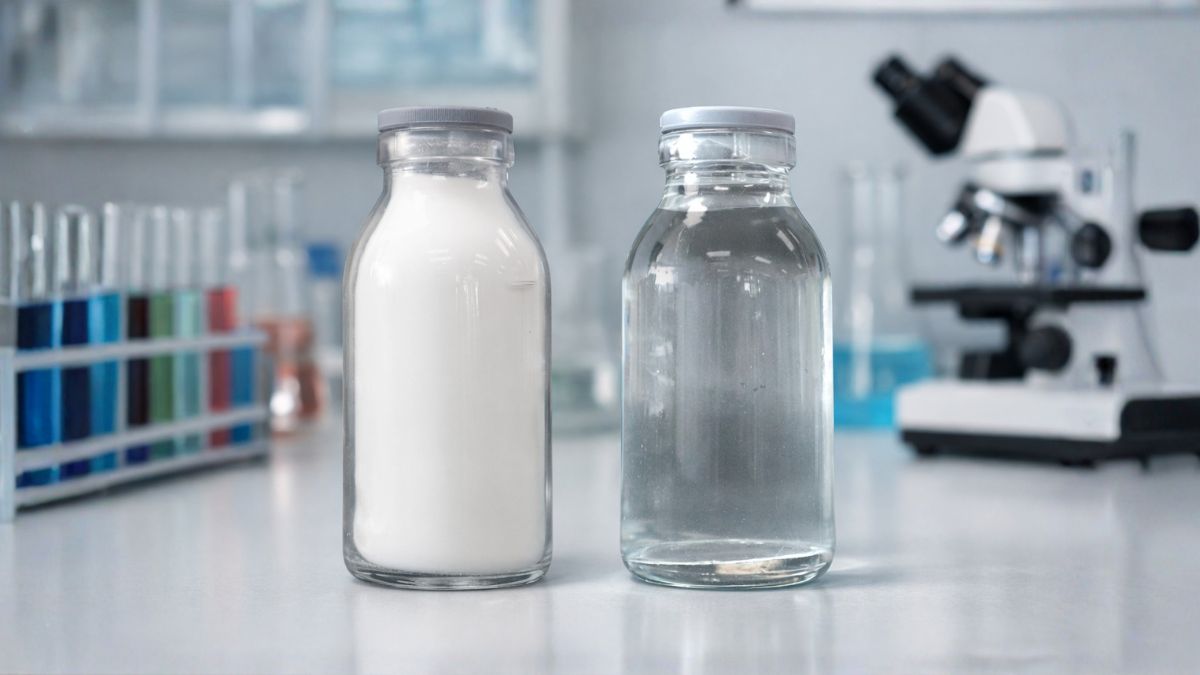
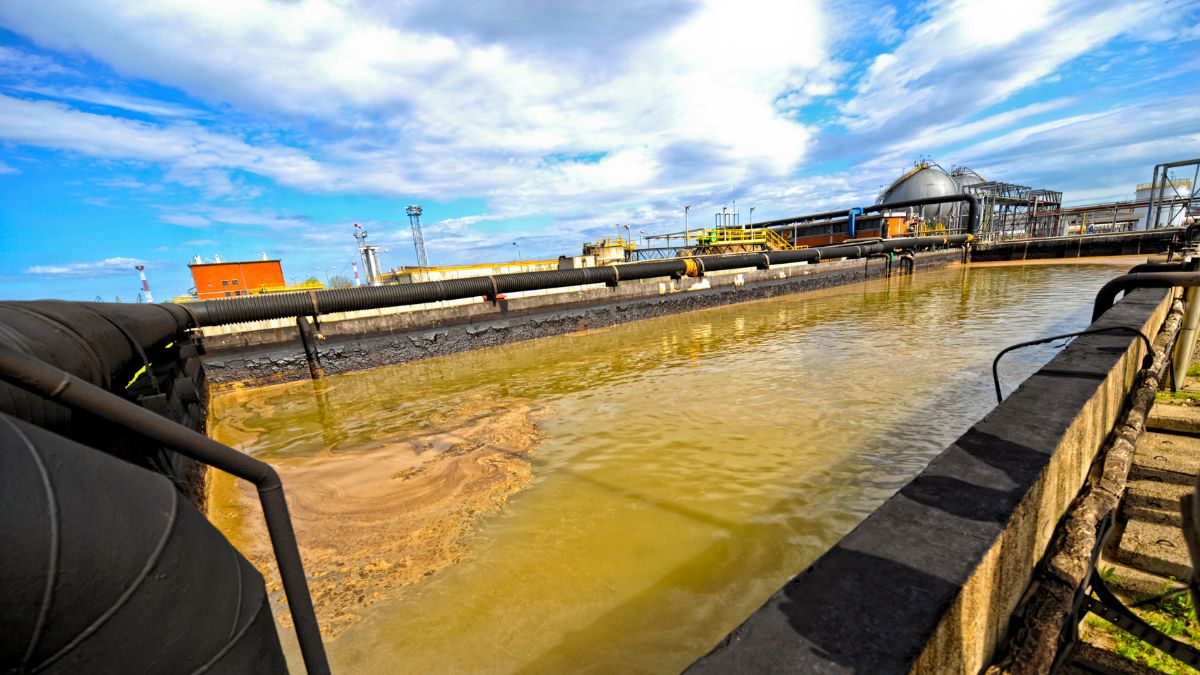
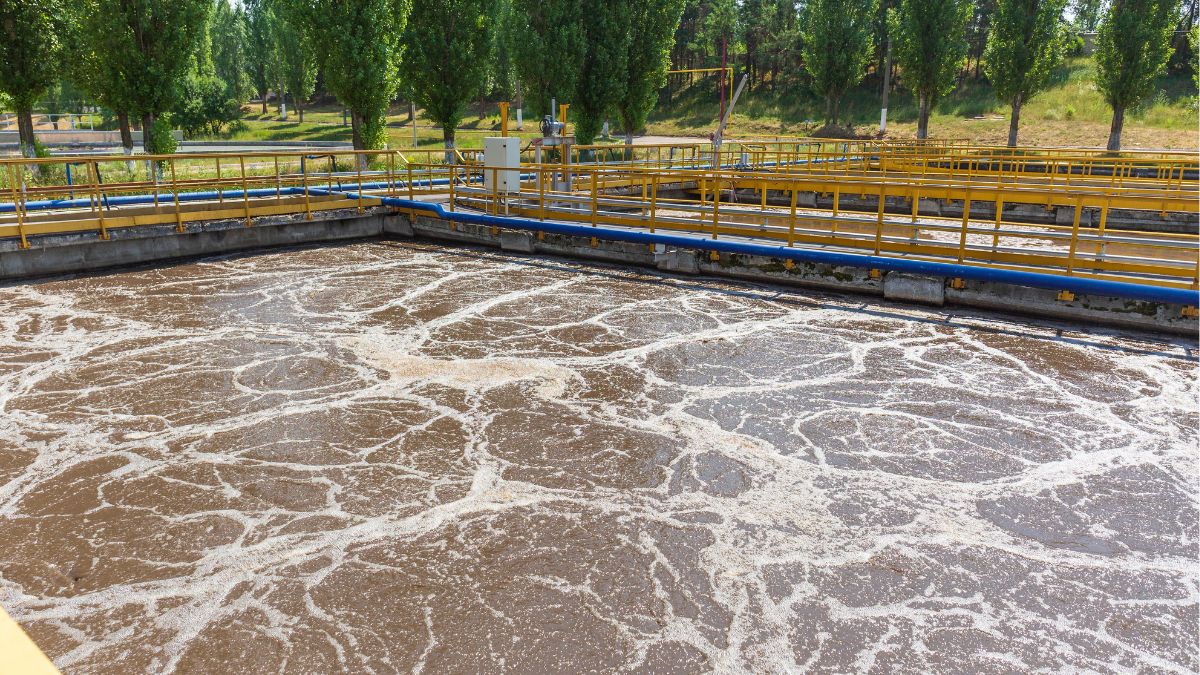
tds and tss
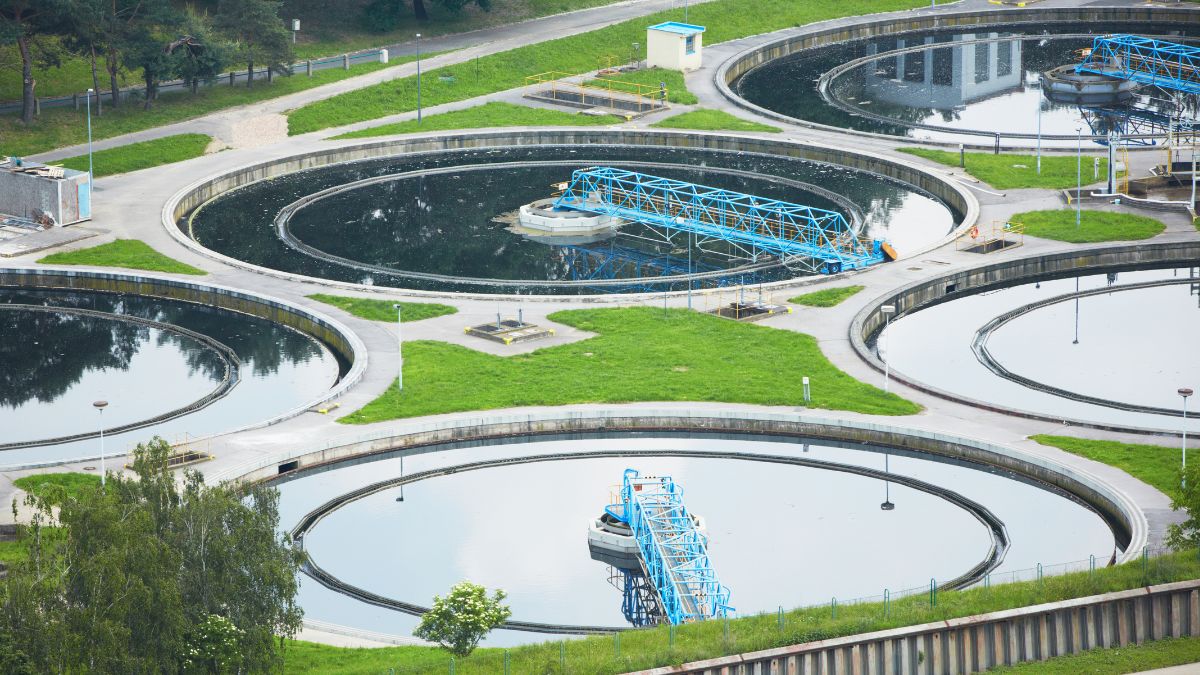
TDS and TSS: Key Differences and How to Manage Them

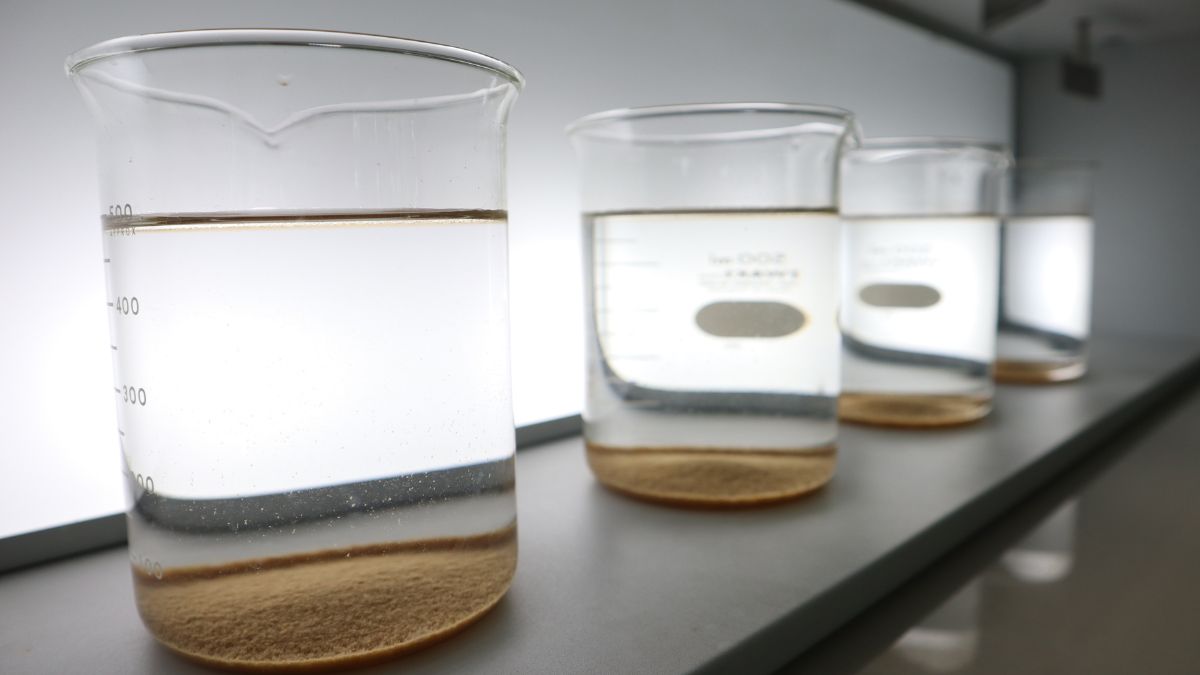
Effective water management starts with understanding two critical quality parameters: TDS and TSS. Many industries experience equipment damage, rising operational costs, or environmental compliance issues simply because these two indicators

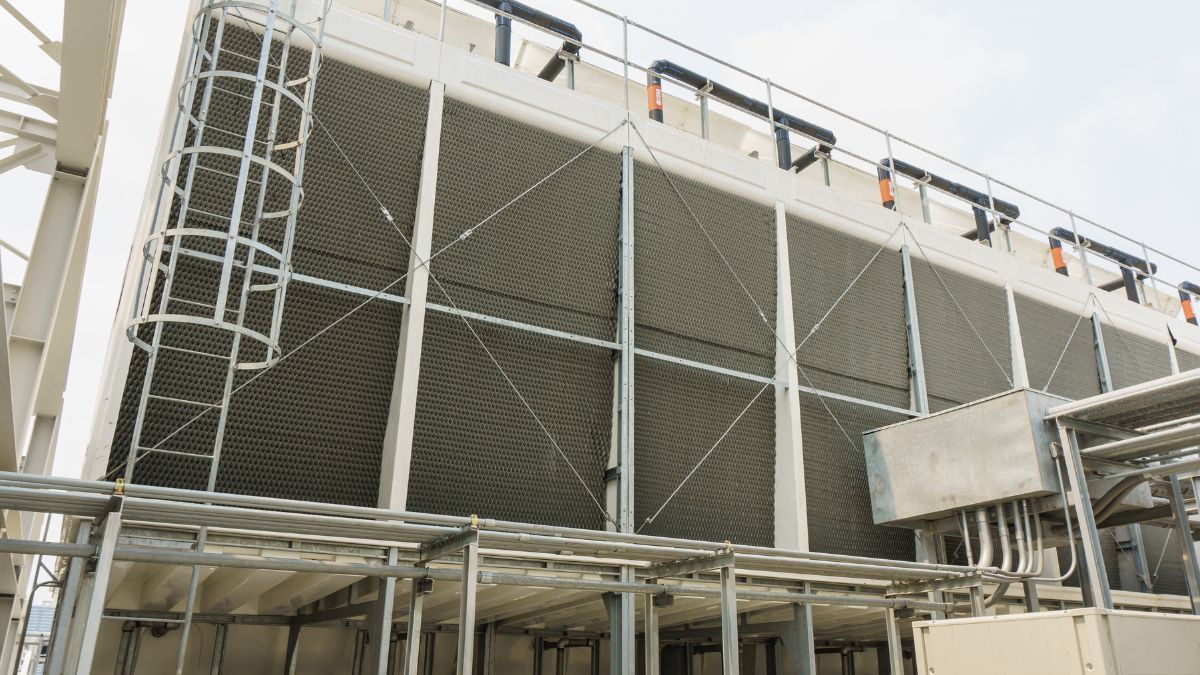
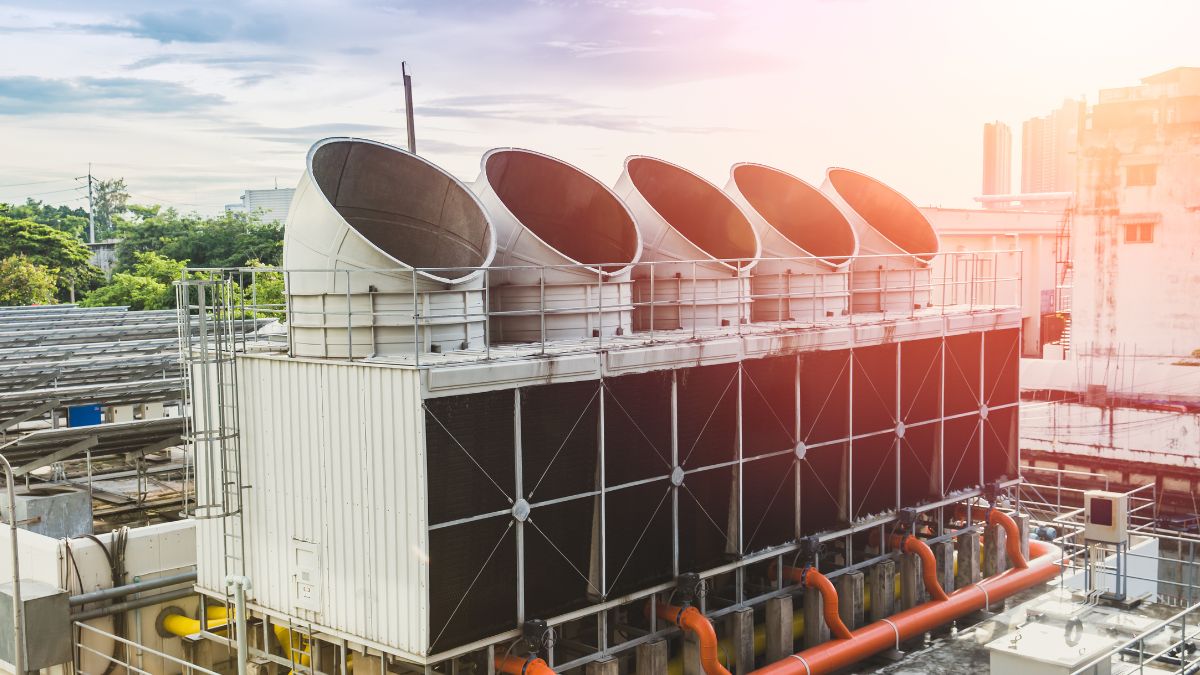
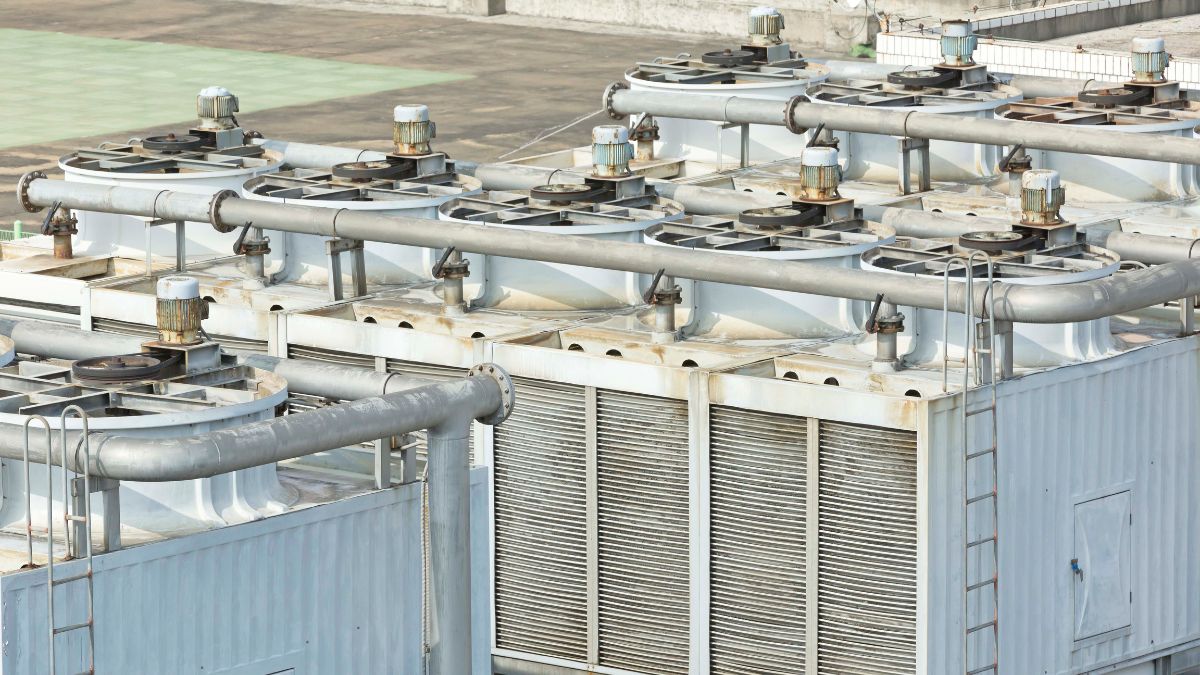
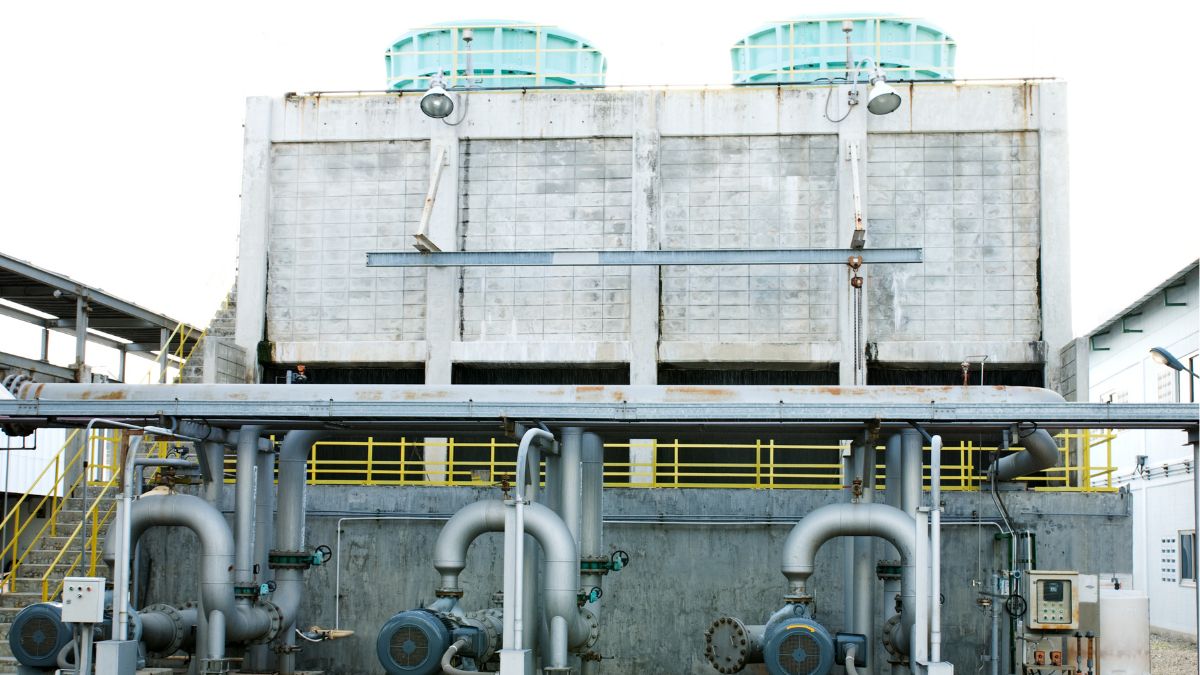
cooling tower
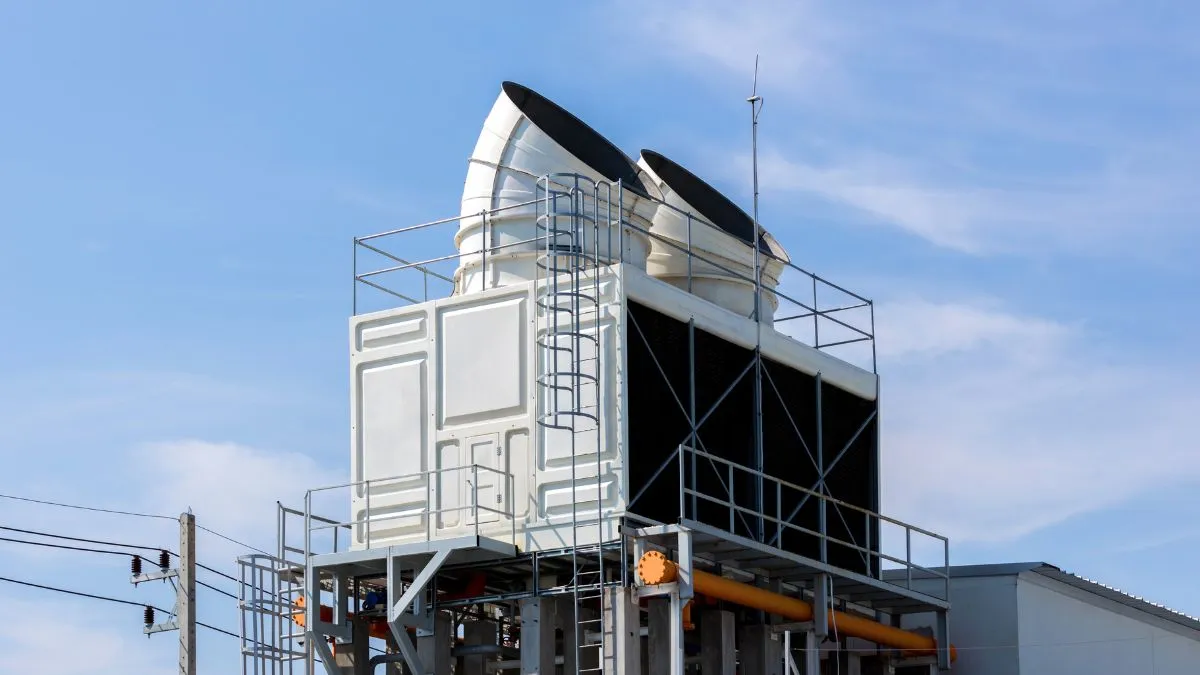
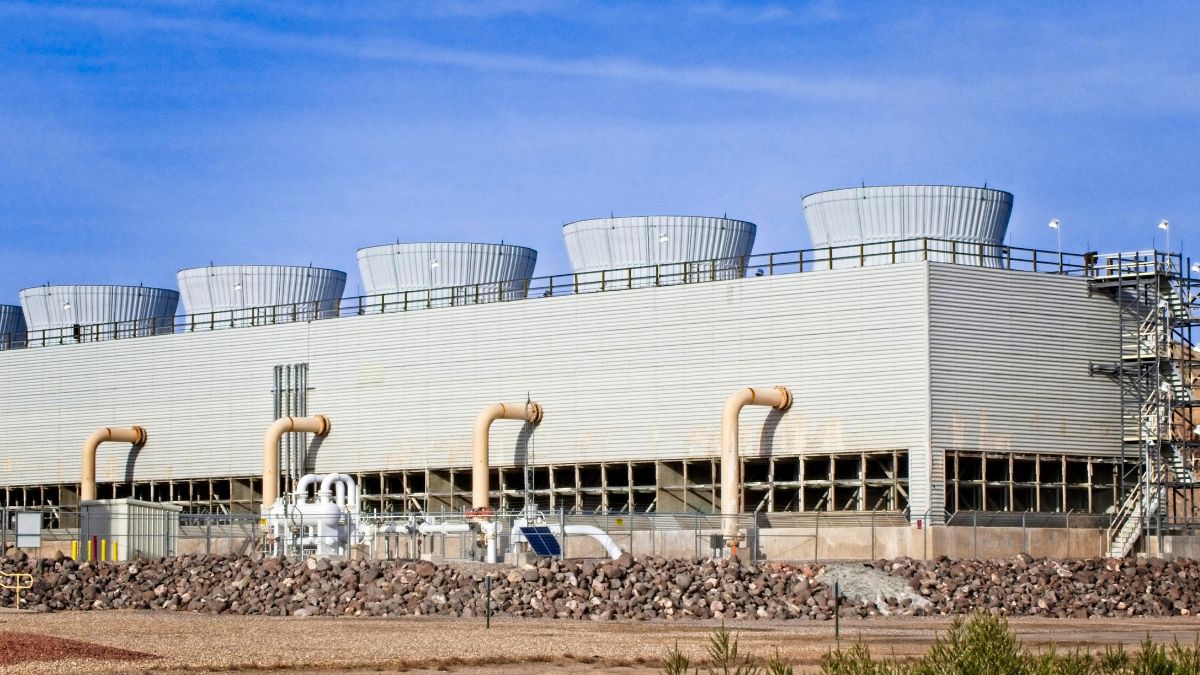
Cooling Tower: Function, Types, and Maintenance Solutions

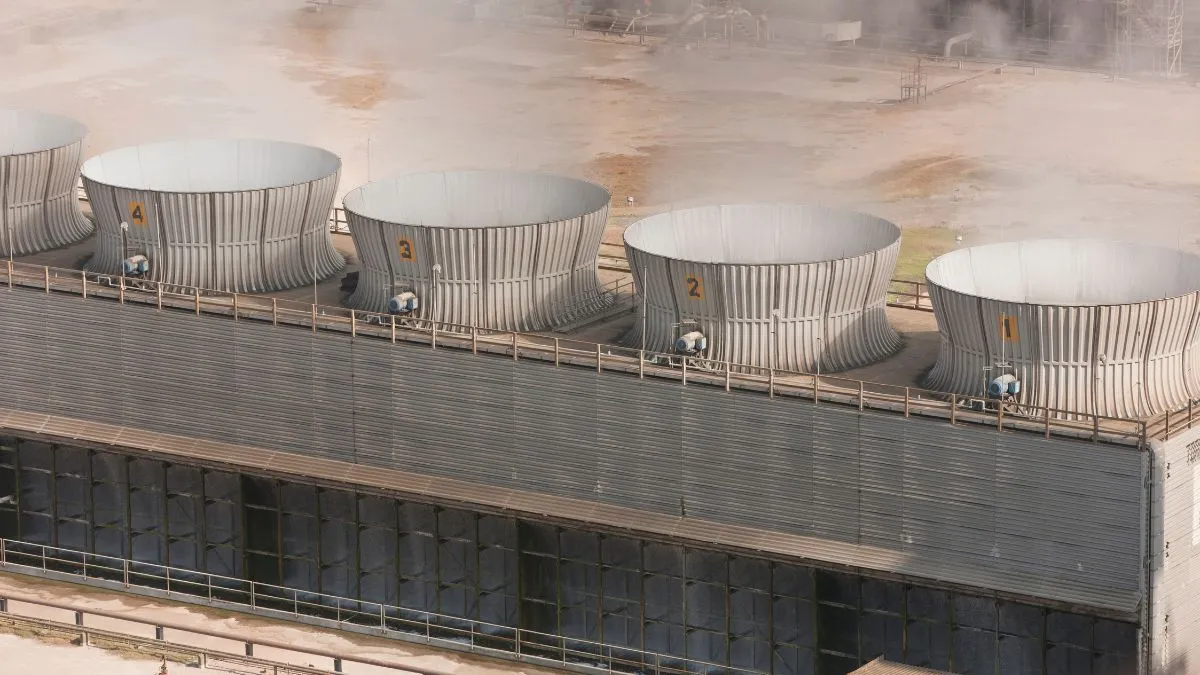
A well maintained cooling tower is essential to prevent temperature instability, scale buildup, corrosion, and unnecessary energy loss in industrial cooling systems. Many facilities only recognize cooling tower problems once

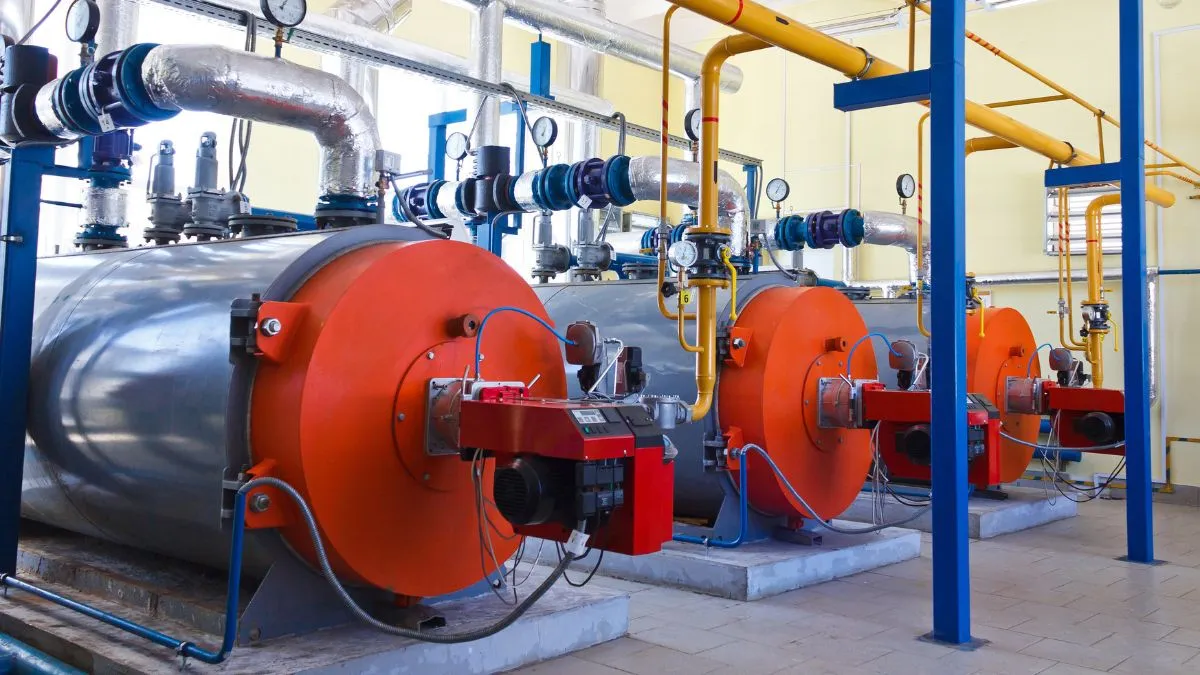
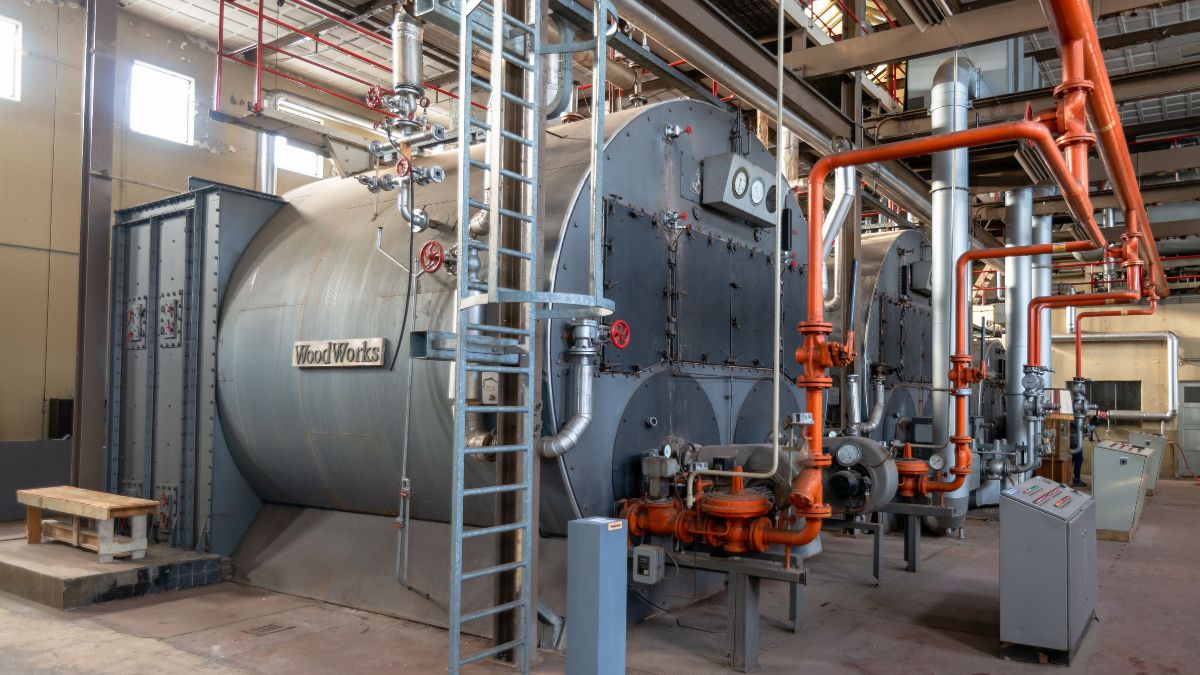
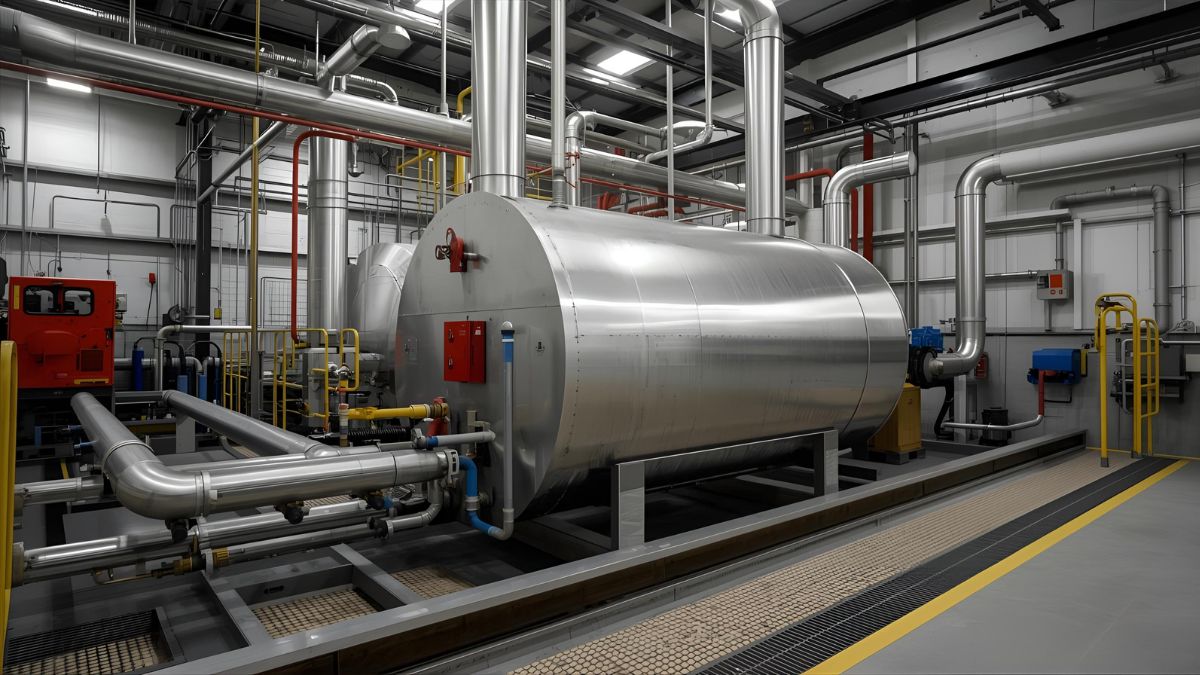
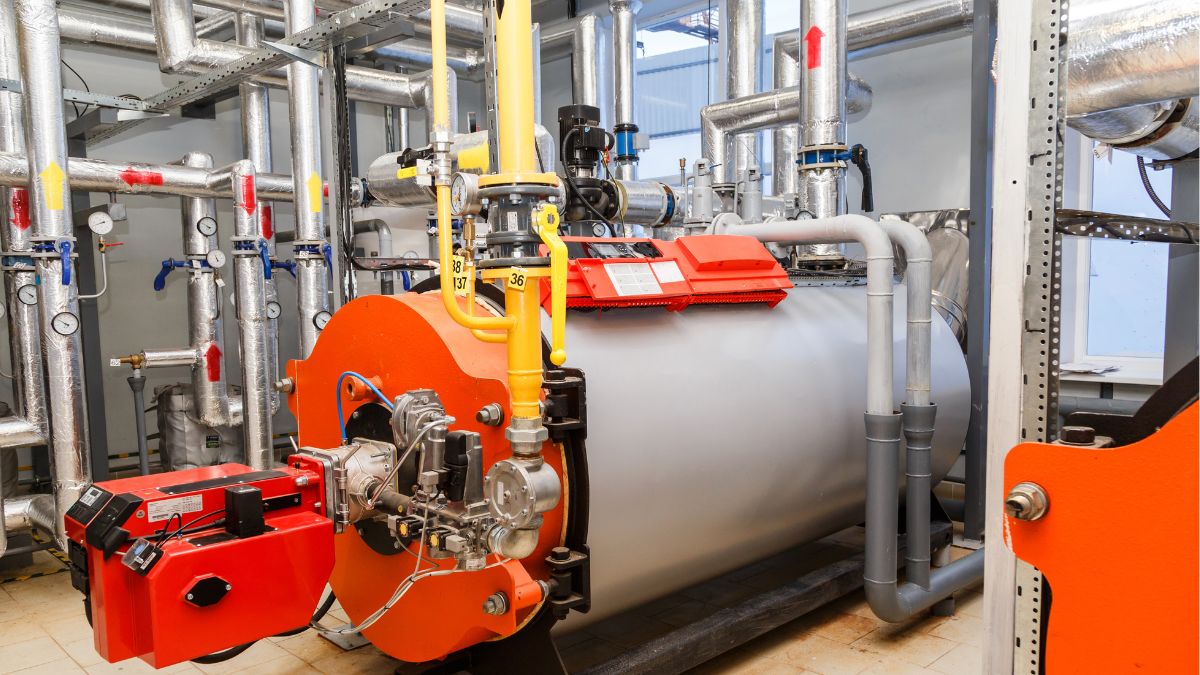
role of ph controller in Boiler
The Role of pH Controller in Boiler Systems

In industrial operations, the role of pH controller in boiler systems is critical to maintaining reliability, efficiency, and safety. Boilers operate as the backbone of many facilities, from manufacturing plants

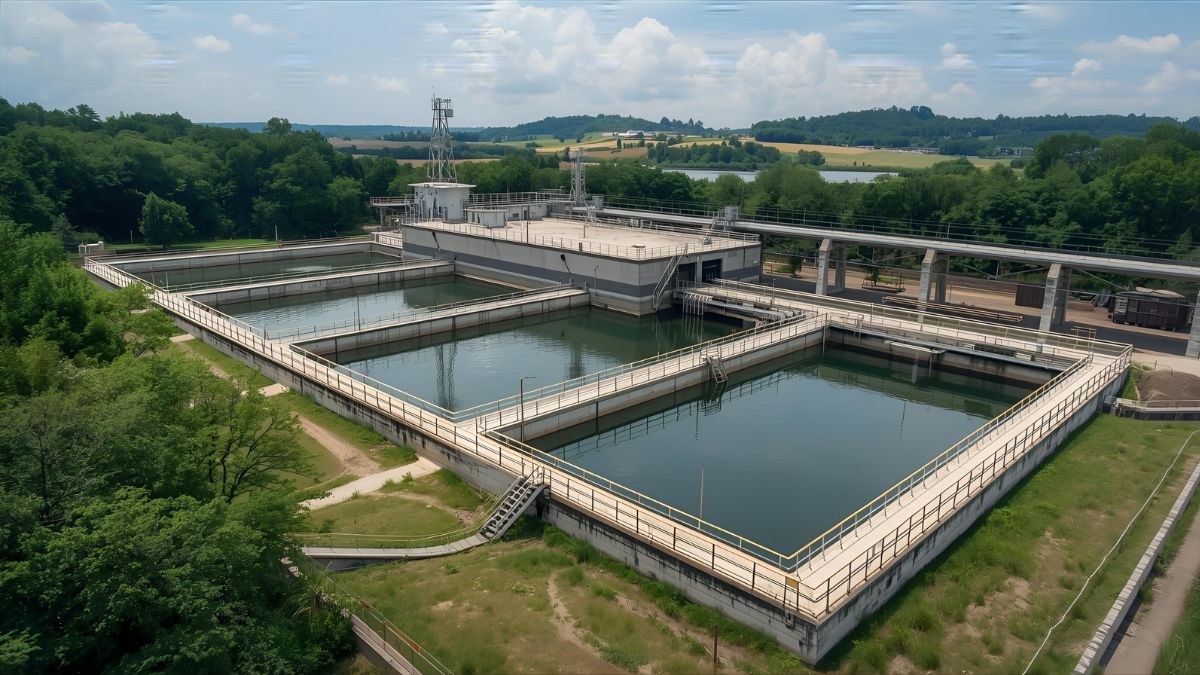
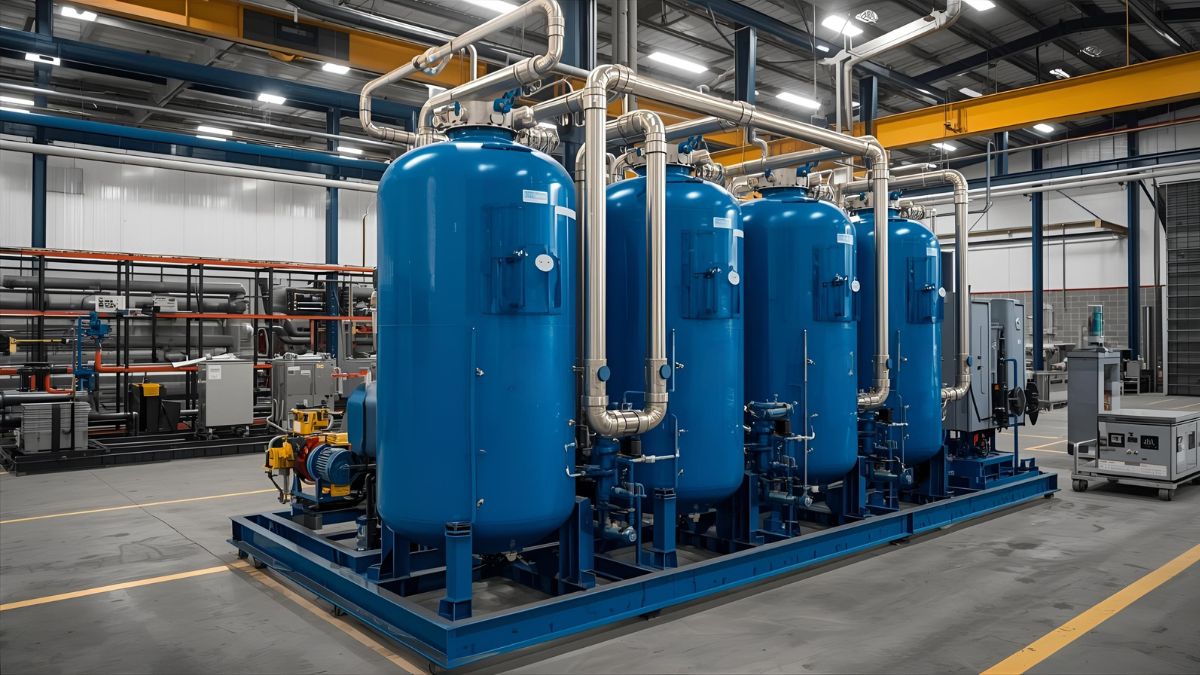
Water Treatment Maintenance
Water Treatment Maintenance: Benefits and Best Practices

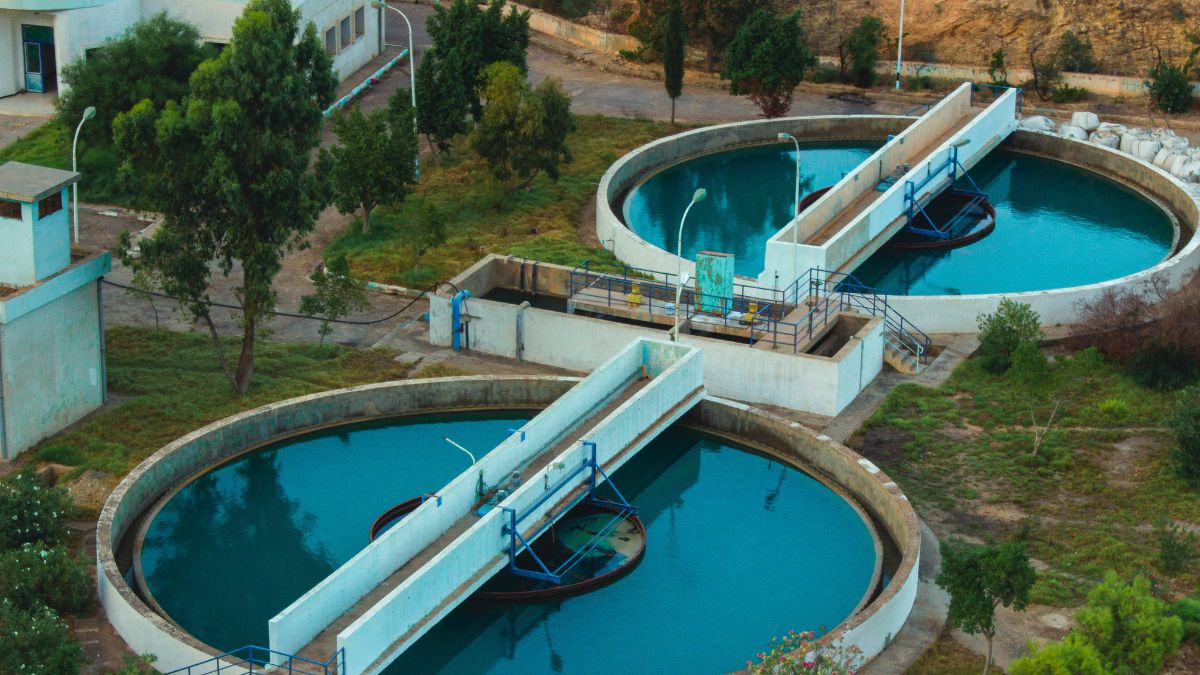
Water treatment maintenance is a critical aspect of ensuring that water treatment plants operate efficiently, safely, and sustainably. From industrial facilities and power plants to municipal water systems, proper maintenance

inorganic coagulant
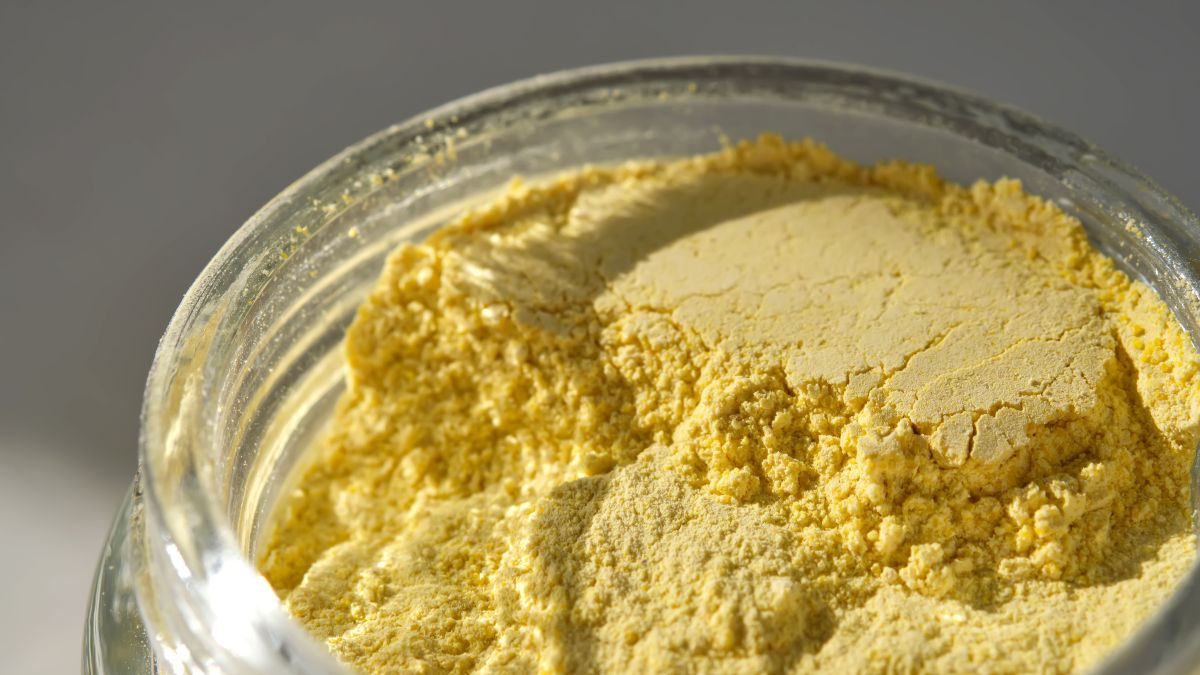
Inorganic Coagulants for Better Water Treatment

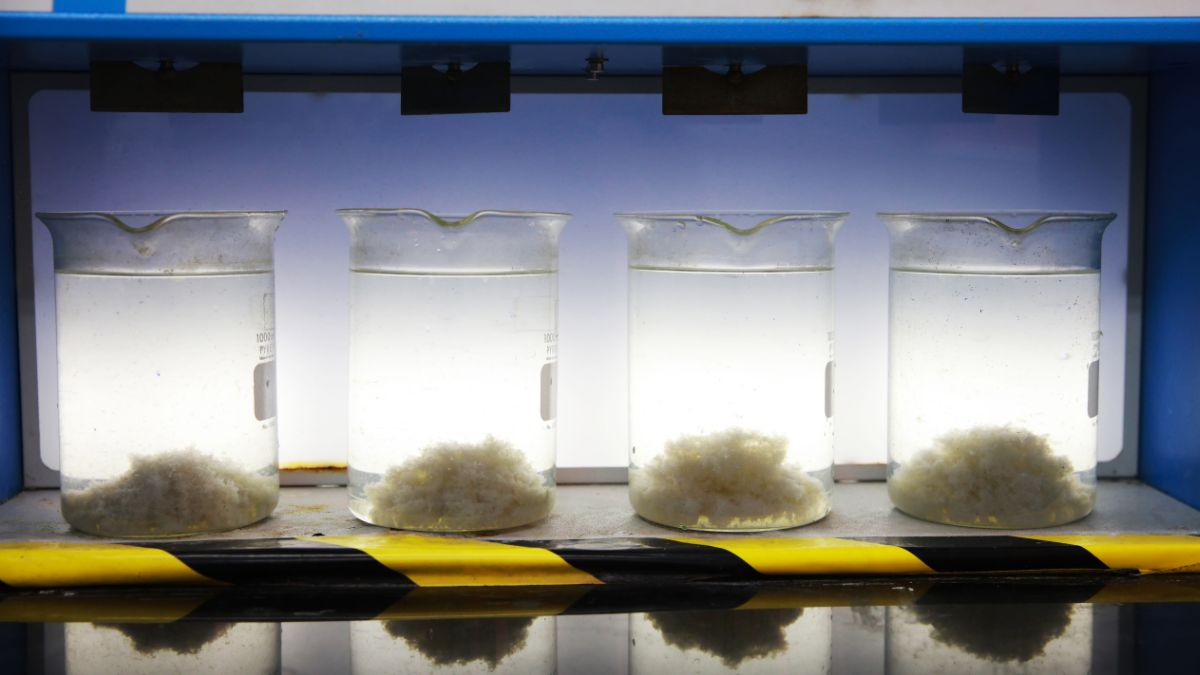
Selecting the right inorganic coagulant plays a critical role in achieving stable, efficient, and compliant clarification processes. These coagulants help remove suspended solids, reduce turbidity, and improve the performance of

inorganic vs organic coagulant
Inorganic vs Organic Coagulant: Choosing the Right Coagulants

Understanding the difference between inorganic vs organic coagulant is essential for industries seeking reliable, efficient, and cost-effective clarification processes. Coagulation plays a critical role in removing suspended solids, reducing turbidity,

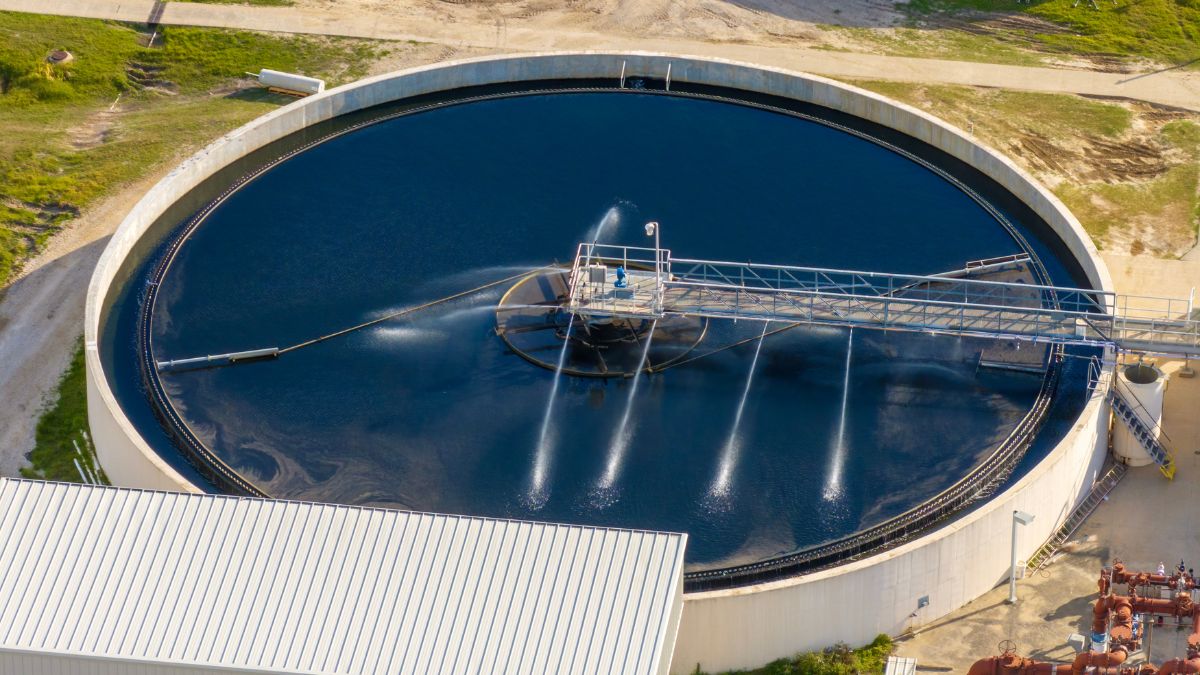
sludge water treatment
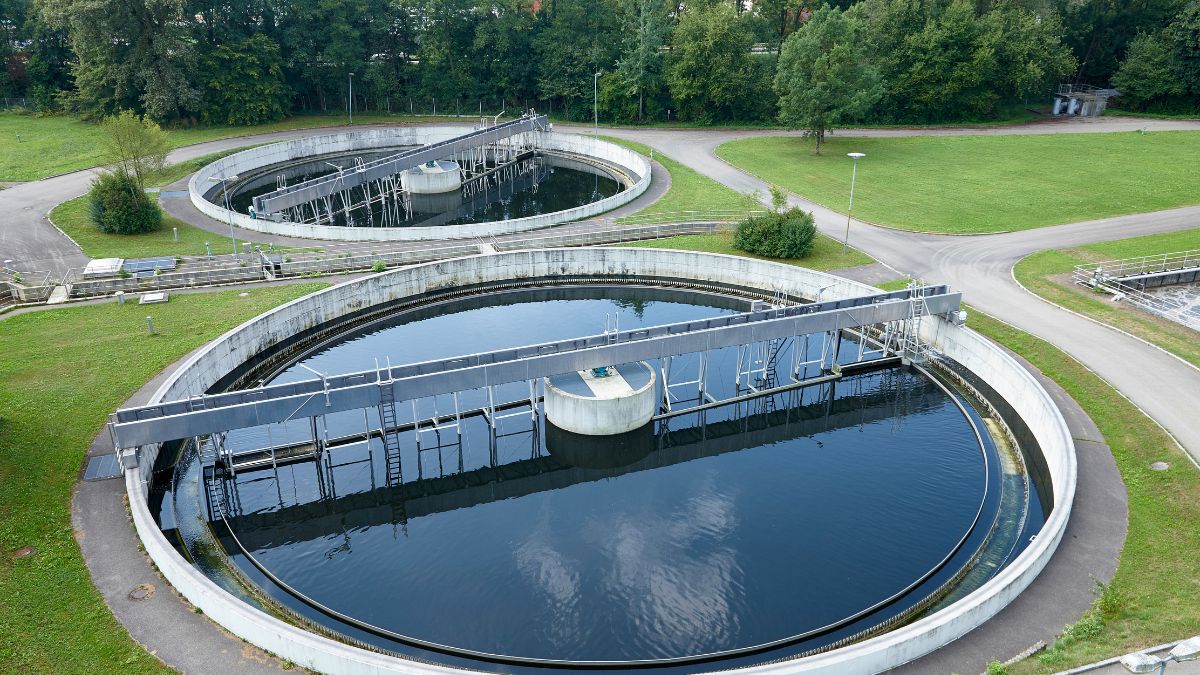
Optimizing Sludge Water Treatment for Efficiency

Effective sludge water treatment is fundamental to achieving operational efficiency and environmental compliance in any water or wastewater treatment facility. Sludge, the residual byproduct of physical, chemical, and biological treatment

pretreatment
Why Raw Water Pretreatment Matters for RO Systems
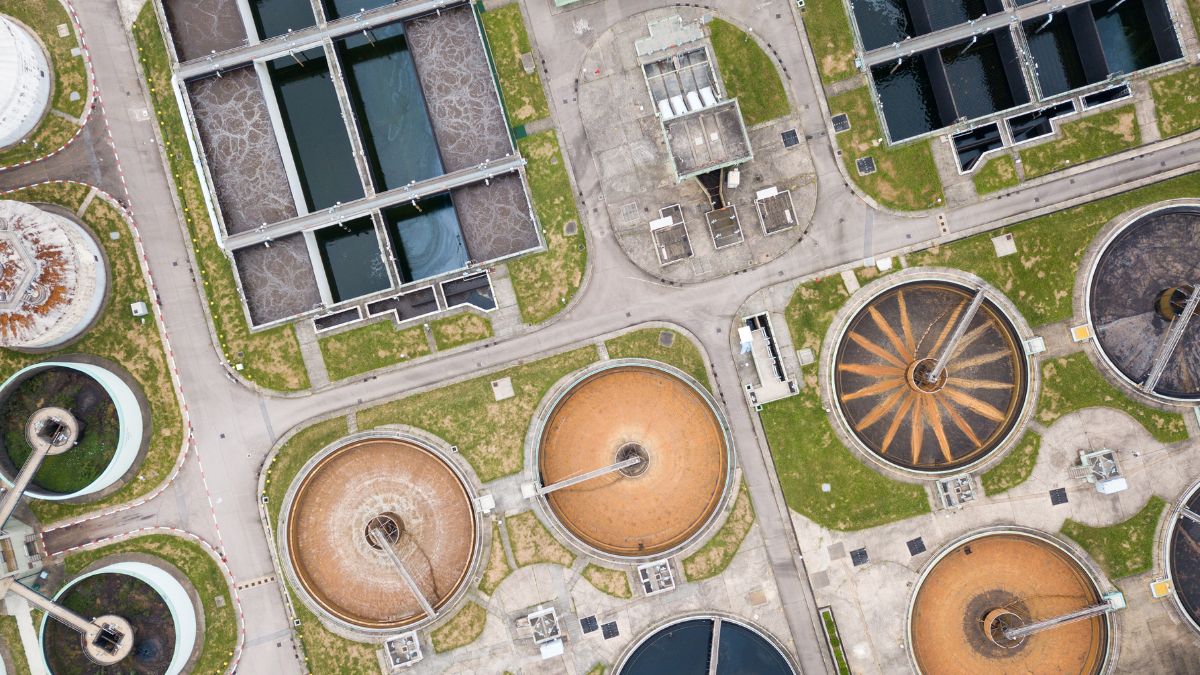
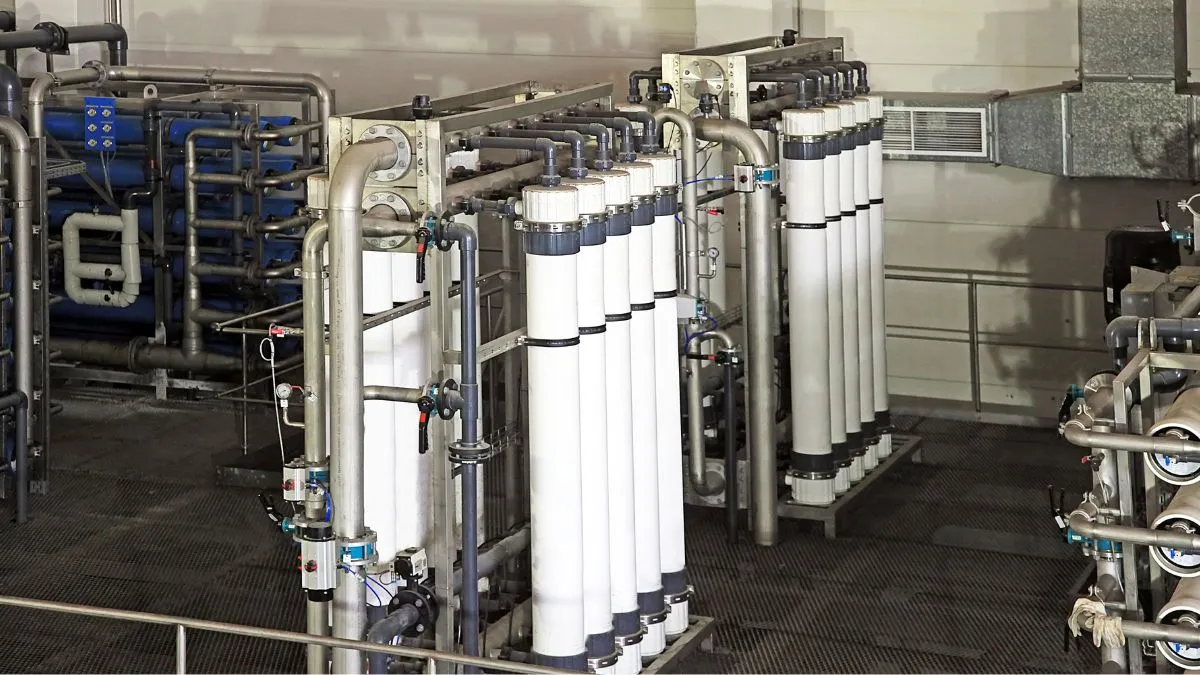
In any Reverse Osmosis (RO) system, pretreatment plays a critical role in ensuring efficiency, reliability, and long-term durability. Without proper pretreatment, contaminants and impurities in raw water can quickly cause

online monitoring
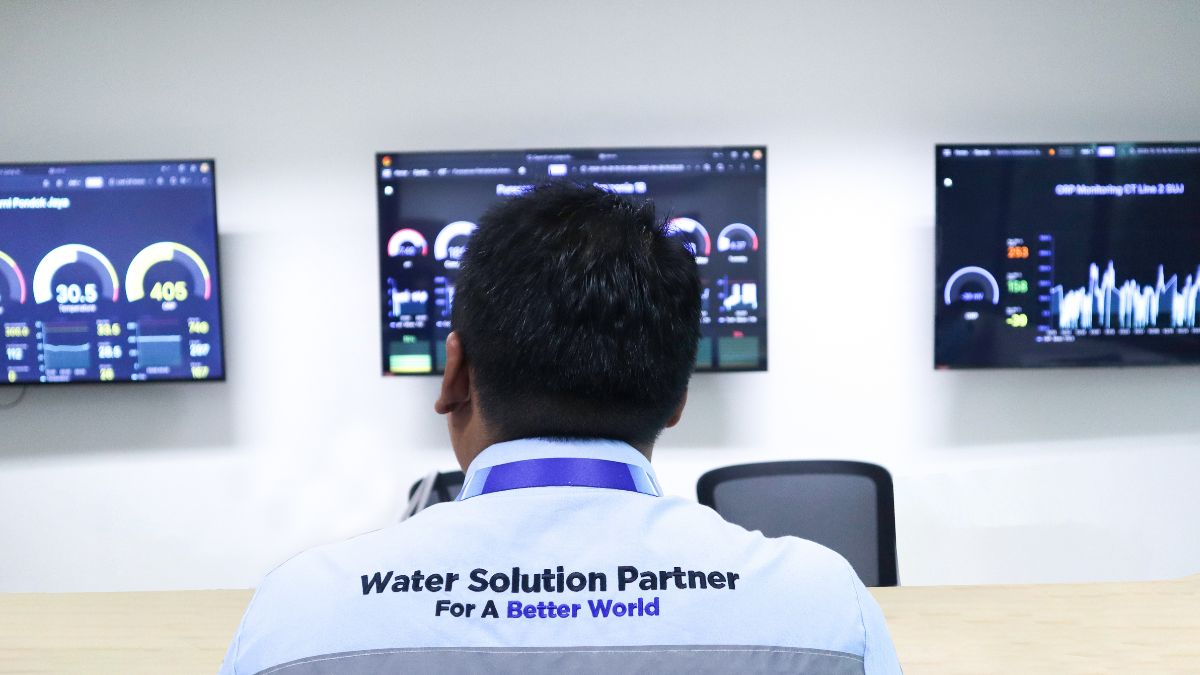
How Online Monitoring Improves Water Treatment Performance

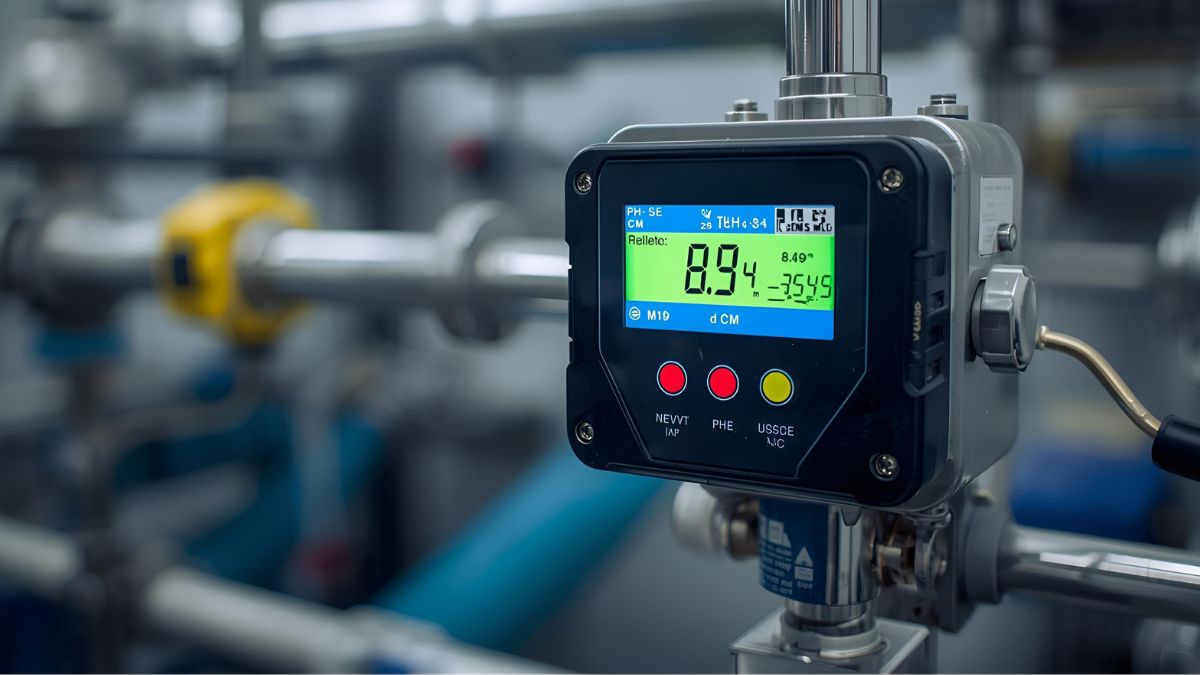
In the modern era of digital transformation, online monitoring has become an essential component in optimizing industrial operations, especially in water treatment systems. By integrating sensors, automation, and IoT (Internet

PAC manufacturer Indonesia
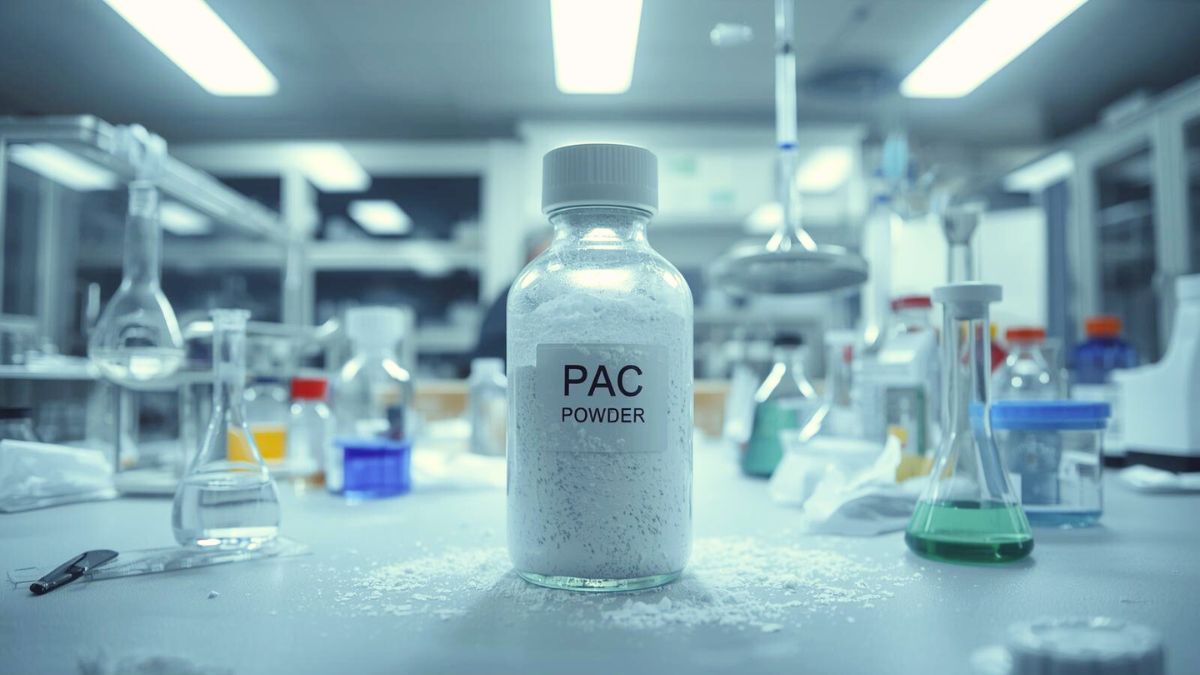
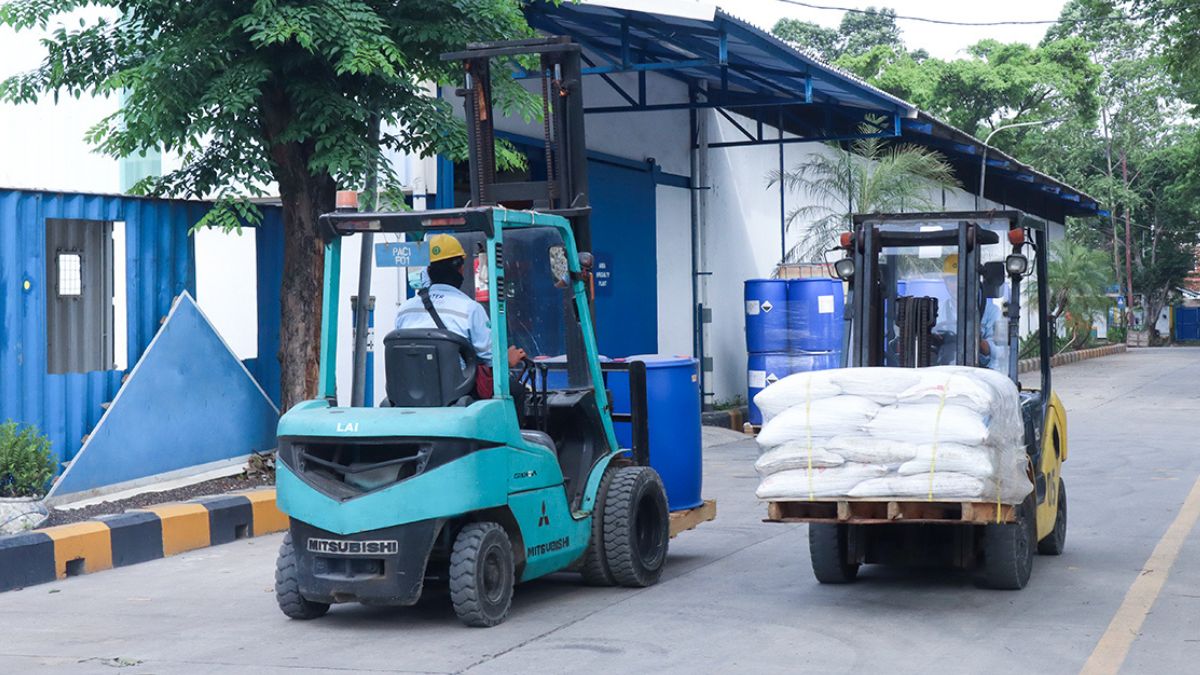
PT Lautan Air Indonesia: Leading PAC manufacturer Indonesia

As water quality challenges intensify across Indonesia, industries and municipalities are seeking effective solutions to ensure clean, safe, and sustainable water. Among these solutions, high-quality coagulants play a crucial role.

anionic and cationic polymer
Anionic and Cationic Polymer in Water Treatment

Anionic and cationic polymer are two essential types of flocculants used in water and wastewater treatment to promote solid–liquid separation. Both polymers are synthetic, high-molecular-weight compounds that improve clarification, sedimentation,

scaling in Palm Oil Boilers
Scaling in Palm Oil Boilers: Causes, Impacts, and Solutions

In the palm oil industry, boiler systems are the backbone of operations, driving energy generation for sterilization, clarification, and other essential processes. However, one critical challenge that continuously threatens efficiency

role of dosing pump
The Role of Dosing Pumps in Water Treatment Systems

Precise chemical control is one of the most critical aspects of any water treatment process. From coagulation to disinfection, each stage depends on the accurate introduction of chemicals at the

role of antifoam
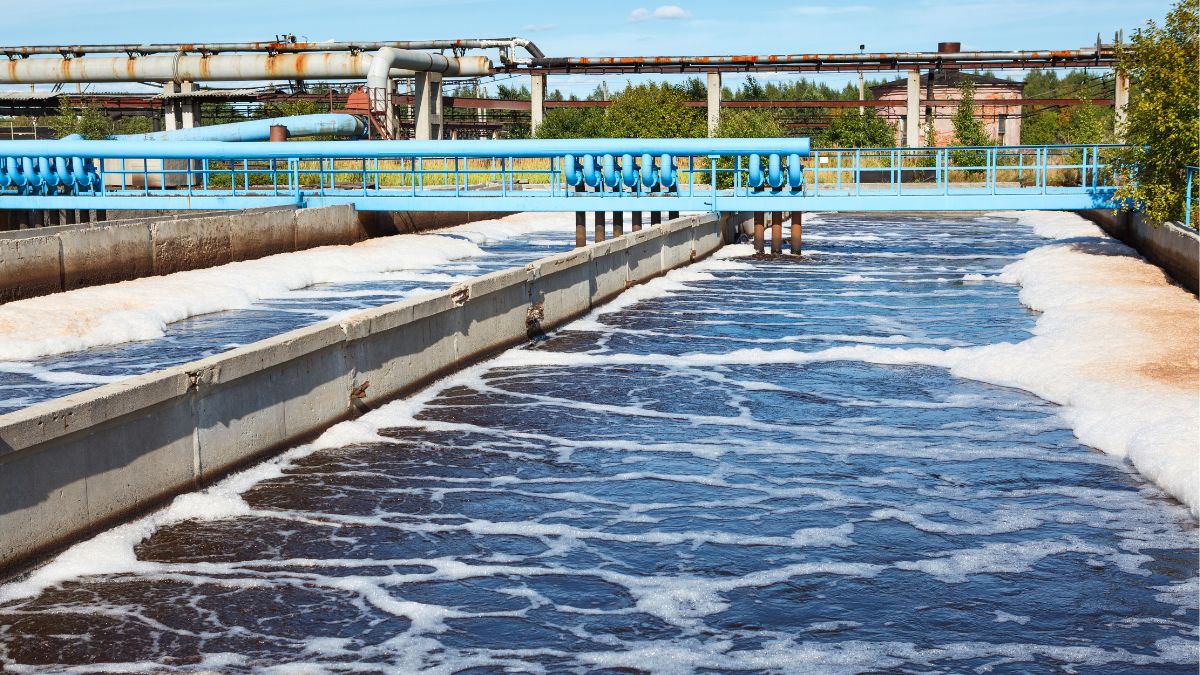
The Role of Antifoam in Wastewater Treatment

Foam might seem like a harmless byproduct of industrial and wastewater processes, but in reality, it can create significant operational challenges. The role of antifoam in wastewater treatment is essential

removing nutrients in Wastewater
Removing Nutrients in Wastewater: A Complete Guide

Wastewater from domestic, agricultural, and industrial sources often carries excess nutrients that, if left untreated, can cause severe harm to the environment. Removing nutrients in wastewater is therefore a critical

Common Cooling Water Tower Problems
Common Cooling Water Tower Problems and Solutions

Cooling water towers play a crucial role in the cooling process across various industries, from power plants and manufacturing to chemical processing facilities. These systems are designed to remove heat

Aerobic Wastewater Treatment
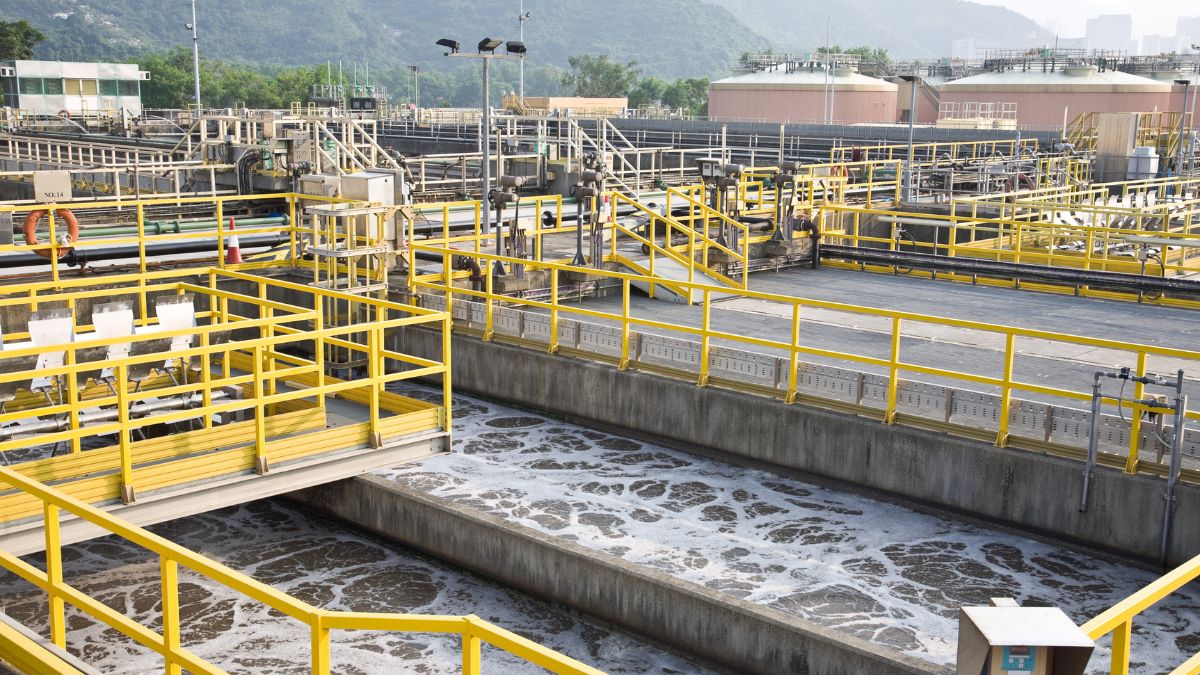
Aerobic Wastewater Treatment for Clean Waste

Aerobic wastewater treatment is a wastewater treatment method increasingly used in various industrial sectors and public facilities. This technology utilizes aerobic microorganisms, which require oxygen, to decompose organic matter in

hardness in cooling system
How to Overcome Increased Hardness in Cooling Systems?

Cooling systems are crucial components in various industries, from manufacturing, petrochemicals, to food processing. This system is designed to maintain temperature stability in equipment or production processes, so that it

Demineralized water still contains silica
Why Demineralized Water Still Contains Silica

In many industries, demineralized water is an absolute necessity—both for chemical processes, boiler systems, cooling towers, and high-precision electronic production. The demineralization process aims to remove dissolved ions such as

How to Reduce Organic Content in Raw Water

The availability of clean and quality raw water is a fundamental element in various industrial sectors, from manufacturing, energy, to food and beverage processing. However, the quality of raw water

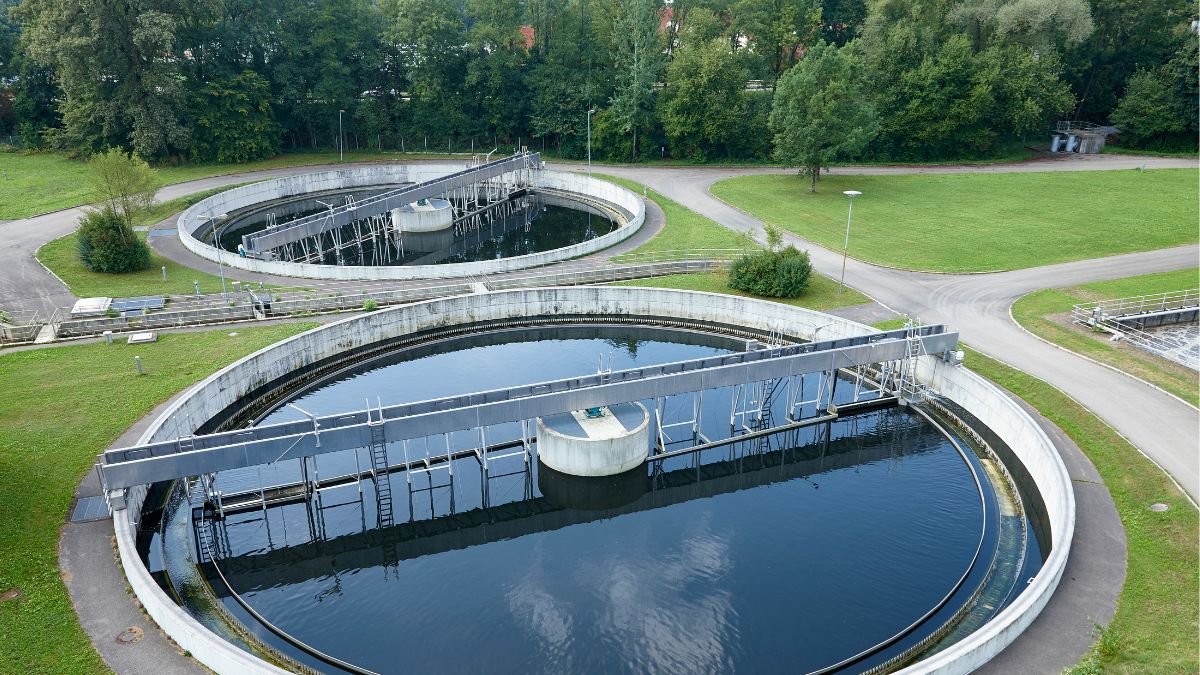
Why Solids Floating in Secondary Clarifiers?

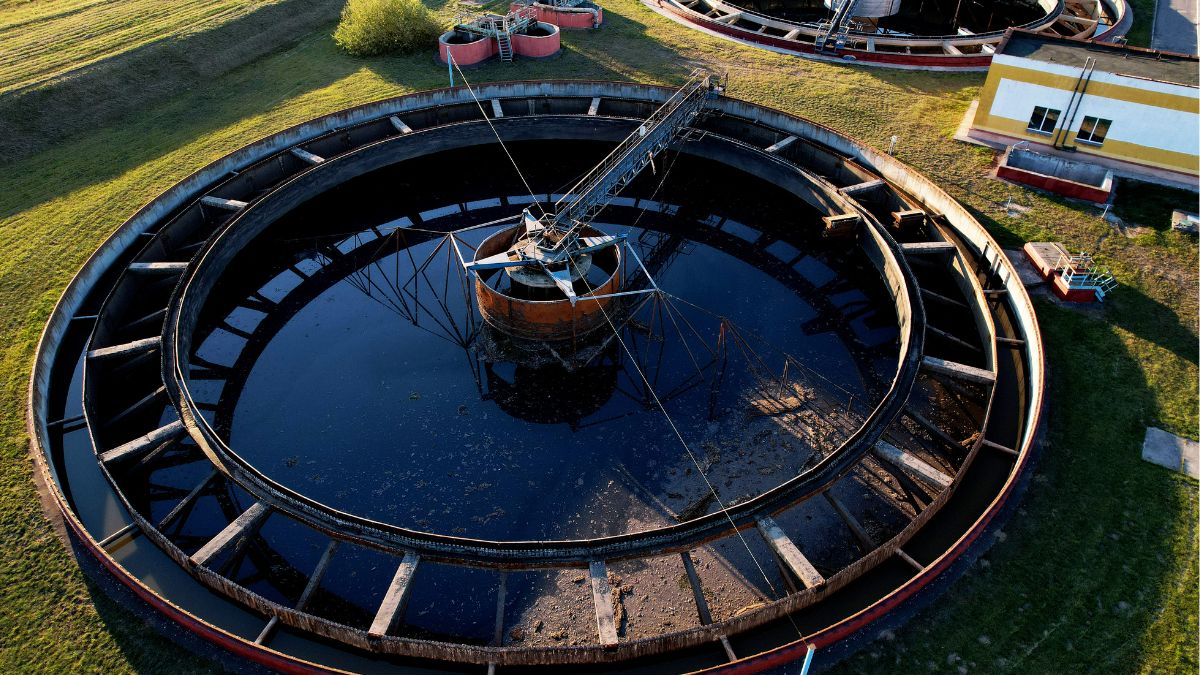
Secondary clarifiers are an integral component of wastewater treatment systems, facilitating the critical separation of activated sludge biomass from biologically treated effluents. A common operational challenge is the presence of