
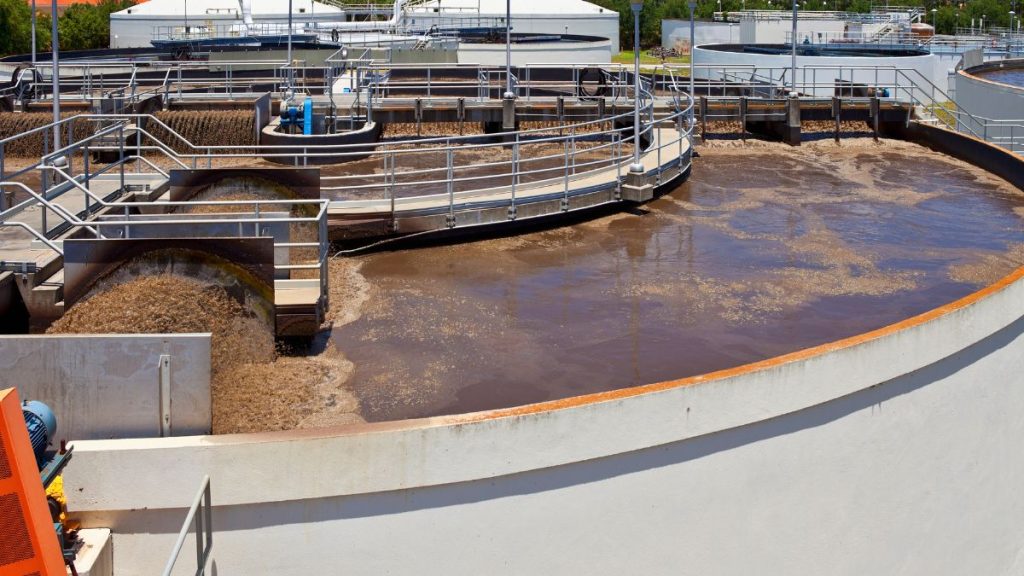
Industries that struggle with cloudy discharge water, sludge buildup, or unstable wastewater treatment performance often need to focus on one critical parameter: Total Suspended Solids (TSS). Knowing how to reduce TSS in wastewater is important not only for meeting environmental regulations but also for protecting downstream equipment, improving treatment efficiency, and reducing operational costs.
High TSS levels can interfere with biological treatment, overload filtration systems, and create operational problems across wastewater treatment processes. With the right treatment strategy, industries can achieve more stable effluent quality and improve overall plant reliability.
What Is TSS in Wastewater?
Total Suspended Solids, commonly known as TSS, refer to solid particles suspended in water that do not dissolve completely. These particles may include:
- Dirt and sediment
- Organic matter
- Sludge particles
- Oils and grease residues
- Food waste
- Fibers and industrial particles
- Biological solids
TSS is one of the most important parameters in wastewater treatment because excessive suspended solids can affect water clarity, treatment efficiency, and environmental compliance.
Industries such as food and beverage, textile, pulp and paper, chemical manufacturing, and mining often face high TSS concentrations in their wastewater streams.
Read Also: What are the Impacts of High TSS and Turbidity in Raw Water?
Why High TSS Can Become an Operational Problem
If suspended solids are not properly controlled, wastewater systems may experience:
1. Reduced Treatment Efficiency
High TSS can overload clarifiers, filtration systems, and biological treatment units. This often causes unstable treatment performance and inconsistent effluent quality.
2. Increased Sludge Accumulation
Excess suspended solids lead to higher sludge generation, which increases sludge handling and disposal costs.
3. Equipment Fouling and Blockage
Pumps, pipes, membranes, and nozzles may become clogged due to solid accumulation, resulting in more frequent maintenance and downtime.
Read Also: Type of Membrane Fouling and How to Prevent It in Water Treatment Systems
4. Higher Chemical Consumption
Systems with unstable solids loading often require additional coagulants and flocculants to maintain treatment performance.
5. Risk of Regulatory Non-Compliance
Many industries must comply with wastewater discharge standards that include strict TSS limits. Failure to control TSS may lead to environmental penalties and operational disruptions.
How to Reduce TSS in Wastewater
Reducing TSS effectively requires a combination of proper treatment processes, chemical dosing, and operational control. The most suitable method depends on wastewater characteristics and plant conditions.
1. Screening and Primary Separation
The first step is removing large particles before they enter the main treatment process. Mechanical screens, grit chambers, and sedimentation tanks help reduce heavy suspended solids early in the system.
This reduces the load on downstream equipment and improves overall process stability.
2. Coagulation and Flocculation
Fine suspended particles are often too small to settle naturally. Coagulation and flocculation help combine these particles into larger flocs that can settle more easily.
Common chemicals used include:
- Poly Aluminium Chloride (PAC)
- Aluminium Sulfate
- Anionic and Cationic Flocculants
- pH adjustment chemicals
Proper chemical dosing is critical to maximize TSS removal efficiency while minimizing chemical waste.
3. Clarification Process
Clarifiers allow formed flocs to settle and separate from treated water. Efficient clarification helps lower suspended solids significantly before further treatment stages.
Well-maintained clarifier systems can improve sludge settling and reduce carryover solids.
4. Filtration Systems
Filtration is commonly used as a polishing step after clarification. Technologies such as:
- Multimedia filtration
- Sand filtration
- Disc filters
- Ultrafiltration
can further reduce fine suspended solids and improve effluent quality.
5. Biological Treatment Optimization
In biological wastewater systems, controlling sludge age, aeration, and biomass balance helps prevent excessive suspended solids in the final discharge.
Operational monitoring plays an important role in maintaining stable treatment conditions.
Key Factors That Affect TSS Removal Efficiency
Several operational factors influence the success of TSS reduction:
- Wastewater flow fluctuation
- Chemical dosing accuracy
- pH condition
- Sludge settling characteristics
- Equipment maintenance
- Operator monitoring consistency
Without proper optimization, even advanced treatment systems may struggle to maintain stable TSS performance.
Supporting More Reliable Wastewater Treatment Performance
Reducing TSS is not only about meeting discharge limits. It is also about improving operational reliability, lowering maintenance frequency, and extending equipment lifespan.
A well-designed wastewater treatment strategy typically combines:
- Proper chemical selection
- Optimized dosing systems
- Reliable clarification performance
- Effective filtration processes
- Continuous operational monitoring
This integrated approach helps industries maintain stable wastewater treatment performance under changing operating conditions.
Read Also: The Importance of Chemical Dosing in Water Treatment
How Lautan Air Indonesia Supports TSS Reduction Programs
Lautan Air Indonesia supports industries with integrated wastewater treatment solutions designed to help reduce TSS in wastewater more effectively and consistently.
Our solutions include:
- Water treatment chemicals for coagulation and flocculation
- Wastewater treatment system support
- Operational evaluation and optimization
- Filtration media and equipment
- Laboratory analysis and monitoring support
- Technical consultation for treatment improvement
With experience across various industrial sectors, LAI helps industries improve wastewater treatment performance while maintaining operational efficiency and regulatory compliance.
Improve Your Wastewater Treatment Performance with Lautan Air Indonesia
If your facility is facing high suspended solids, unstable clarifier performance, or inconsistent wastewater quality, Lautan Air Indonesia can help evaluate and optimize your treatment process.
Contact LAI today to discuss the right wastewater treatment strategy for your operational needs.