
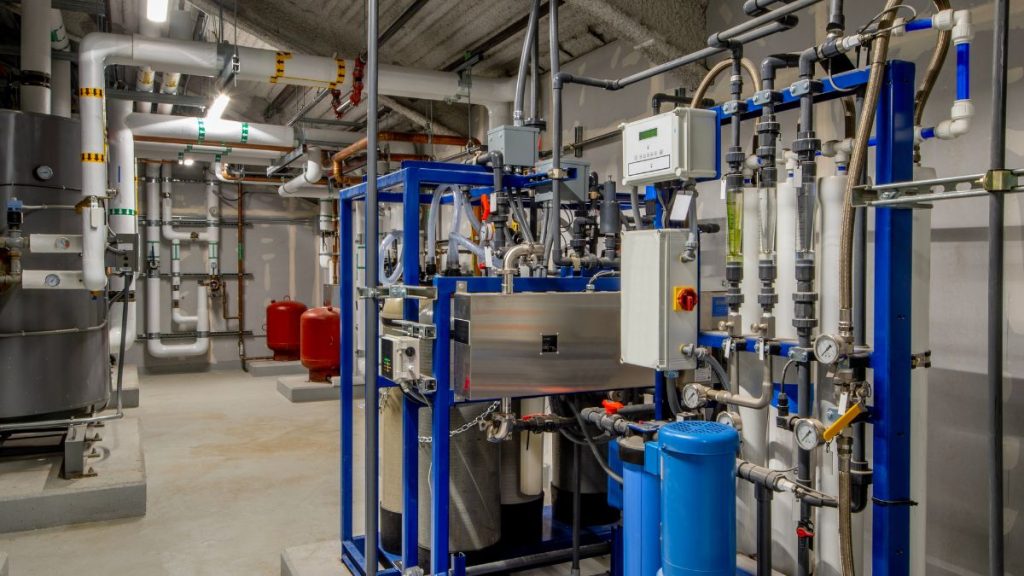
Water quality problems often begin with one simple issue: incorrect chemical dosing. In many industrial water treatment systems, overdosing can increase operational costs and damage equipment, while underdosing may lead to scaling, corrosion, microbial growth, or unstable water quality. This is why chemical dosing plays a critical role in maintaining efficient and reliable water treatment operations.
From raw water treatment and cooling towers to boiler systems and wastewater treatment plants, chemical dosing helps ensure treatment chemicals work effectively at the right concentration and at the right time.
What Is Chemical Dosing in Water Treatment?
Chemical dosing in water treatment refers to the controlled injection of chemicals into a water system to achieve specific treatment objectives. The dosing process is designed to maintain consistent water quality, protect equipment, and support operational efficiency.
Chemical dosing systems are commonly used to:
- Control pH levels
- Prevent scale formation
- Reduce corrosion
- Support coagulation and flocculation
- Eliminate bacteria and microorganisms
- Neutralize contaminants
- Improve filtration performance
The effectiveness of any water treatment program depends heavily on accurate dosing control. Even the best treatment chemicals may fail to perform properly if the dosing rate is not optimized.
Read Also: The Role of Dosing Pumps in Water Treatment Systems
Why Chemical Dosing Is Important
Many industrial facilities rely on stable water quality to maintain smooth production processes. Inconsistent dosing can quickly create operational issues that affect productivity, maintenance costs, and equipment lifespan.
1. Prevents Scaling and Fouling
Improper chemical balance can lead to mineral buildup inside pipelines, heat exchangers, boilers, and cooling systems. Accurate dosing helps reduce scale formation and maintain heat transfer efficiency.
2. Minimizes Corrosion Risks
Corrosion can damage piping systems, tanks, and industrial equipment over time. Chemical dosing helps maintain water chemistry conditions that protect metal surfaces.
3. Supports Water Quality Compliance
Industries often need to comply with environmental and operational standards related to water quality and wastewater discharge. Proper dosing helps maintain these required parameters consistently.
4. Improves Chemical Efficiency
Overdosing on chemicals can increase operational expenses unnecessarily. Optimized dosing systems help facilities use chemicals more efficiently while maintaining treatment performance.
5. Enhances Operational Reliability
Stable dosing contributes to more consistent system performance, reduced downtime, and lower maintenance requirements.
Read Also: Common Dosing Pump Issues in Water Treatment Systems and How to Troubleshoot Them
How Does Chemical Dosing Work?
A chemical dosing system works by injecting a controlled amount of treatment chemical into a water stream based on operational requirements.
Although system configurations may vary depending on the application, most dosing systems include several key components.
1. Chemical Storage Tank
The storage tank holds the treatment chemical before injection into the system. Tank material selection depends on the chemical type and operating conditions.
2. Dosing Pump
The dosing pump controls the flow rate and injects chemicals into the water line at a precise volume. Different pump types may be used depending on chemical characteristics and dosing requirements.
3. Injection Point
The injection point is where the chemical enters the water system. Proper placement is important to ensure effective mixing and treatment performance.
4. Monitoring and Control System
Modern dosing systems often include sensors, controllers, and automation features that monitor water parameters such as pH, conductivity, ORP, or flow rate. The system can automatically adjust dosing rates based on real-time conditions.
5. Mixing Process
After injection, the chemical must mix evenly within the water system to ensure effective treatment throughout the process.
Chemicals Used in Dosing Systems
Different water treatment applications require different chemical formulations. The choice of chemical depends on the water quality challenge, process conditions, and treatment objectives.
1. Coagulants
Coagulants help destabilize suspended particles in raw water treatment processes, making them easier to remove through sedimentation and filtration.
Common examples include:
- Poly Aluminium Chloride (PAC)
- Aluminium Sulfate
- Ferric Chloride
Read Also: The Benefits of PAC in Water Treatment: A Reliable Coagulant for Modern Industries
2. Flocculants
Flocculants help combine smaller particles into larger flocs for improved settling and filtration performance.
3. pH Adjustment Chemicals
These chemicals help maintain optimal pH levels within the treatment system.
Common chemicals include:
- Caustic Soda
- Sulfuric Acid
- Hydrochloric Acid
4. Disinfectants
Disinfectants are used to control microbial growth and maintain hygienic water conditions.
Examples include:
- Sodium Hypochlorite
- Chlorine
- Chlorine Dioxide
5. Scale and Corrosion Inhibitors
These specialty chemicals help protect cooling towers, boilers, and piping systems from scaling and corrosion problems.
6. Antifoam and Specialty Chemicals
Some industrial applications also require specialty formulations for foam control, sludge conditioning, or process optimization.
Read Also: Sludge Blanket: How to Control It for Stable and Efficient Water Treatment
Applications of Chemical Dosing in Water Treatment
Chemical dosing systems are widely used across multiple industrial sectors and water treatment applications.
1. Raw Water Treatment
Used for coagulation, flocculation, pH adjustment, and disinfection to improve incoming water quality before further treatment.
2. Boiler Water Treatment
Supports scale prevention, corrosion control, and boiler efficiency optimization.
3. Cooling Water Systems
Helps maintain cooling tower performance by controlling scaling, corrosion, and biological growth.
4. Wastewater Treatment
Chemical dosing assists with neutralization, coagulation, phosphorus removal, odor control, and sludge treatment processes.
5. Drinking Water Treatment
Ensures treated water meets safety and hygiene standards before distribution.
Optimizing Chemical Dosing Performance
An effective chemical dosing program is not only about selecting the right chemical. System design, monitoring, and operational control are equally important.
Facilities should consider:
- Accurate dosing calculations
- Proper chemical compatibility
- Reliable dosing equipment
- Real-time monitoring systems
- Routine maintenance and calibration
- Technical evaluation of water parameters
Without proper monitoring and optimization, dosing systems may become inefficient over time and lead to inconsistent treatment results.
As an integrated water treatment solutions provider, PT Lautan Air Indonesia supports industrial customers with chemical dosing solutions tailored to their operational requirements. With experience across industries including manufacturing, food and beverage, power generation, palm oil, and commercial facilities, LAI helps customers improve water treatment reliability while supporting operational efficiency and regulatory compliance.
Looking to improve your chemical dosing system performance? Contact Lautan Air Indonesia to discuss your water treatment challenges and find the right solution for your operation.