
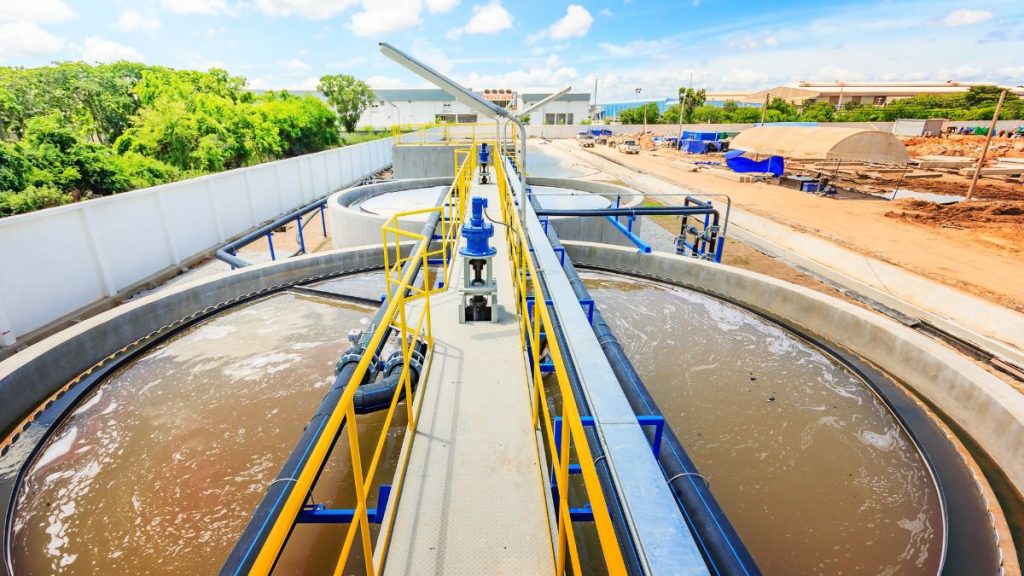
A well-managed sludge blanket is not just a byproduct of sedimentation. It is a working layer that directly determines how effectively your clarifier removes suspended solids. When the sludge blanket is stable and maintained at the right level, it improves clarification performance, reduces chemical consumption, and prevents carryover. When it is not controlled, it quickly becomes a source of operational problems.
This article explains what a sludge blanket is, why it matters, how to control its level, and what practical steps can be taken to keep your system running efficiently.
What is a Sludge Blanket?
A sludge blanket is the layer of concentrated solids that forms at the bottom of a clarifier or sedimentation tank during the water treatment process. It consists of settled flocs created during coagulation and flocculation.
Rather than being inactive waste, this layer plays an active role in the clarification process. Incoming water passes through or near the sludge blanket, where suspended particles are captured and settle more effectively. In systems such as sludge blanket clarifiers, this layer becomes a key part of the treatment mechanism.
In simple terms, the sludge blanket acts like a dynamic filter made of previously settled solids.
Purpose of a Sludge Blanket
The primary purpose of a sludge blanket is to enhance solid-liquid separation. However, in real operations, its function goes beyond that.
1. Improve settling efficiency
A properly formed sludge blanket increases contact between incoming particles and existing flocs, allowing faster and more effective settling.
2. Stabilize effluent quality
A consistent sludge blanket helps maintain low turbidity in the treated water by preventing fine particles from escaping.
Read Also: High Solid Content Effluent: Causes, Impacts, and Solutions
3. Reduce chemical usage
When the sludge blanket is functioning well, coagulation and flocculation become more efficient, reducing the need for excessive chemical dosing.
4. Support process stability
It acts as a buffer against fluctuations in raw water quality, especially during sudden increases in turbidity or flow rate.
Without a properly maintained sludge blanket, even a well-designed clarifier will struggle to deliver consistent results.
Sludge Blanket Level: Why It Matters
The sludge blanket level is one of the most critical operational parameters in sedimentation systems. It must be carefully controlled within an optimal range.
If the sludge blanket is too low:
- Poor contact between flocs and incoming particles
- Reduced settling efficiency
- Higher turbidity in effluent
- Increased chemical demand
If the sludge blanket is too high:
- Risk of sludge carryover into the outlet
- Sudden spikes in effluent turbidity
- Potential overloading of downstream filtration systems
- Reduced clarifier capacity
Optimal sludge blanket level
The ideal level depends on the clarifier design and operating conditions, but generally:
- It should be high enough to promote effective floc contact
- It should be low enough to prevent overflow or carryover
Maintaining this balance requires continuous monitoring and adjustment.
How to Control Sludge Blanket Level Effectively
Managing a sludge blanket is not complicated, but it requires consistency and the right operational approach.
1. Routine monitoring
Use sludge blanket level detectors or manual sampling methods to regularly measure the blanket height. Consistent tracking helps detect trends before they become problems.
2. Controlled sludge withdrawal
Adjust sludge wasting rates based on blanket level.
- Increase withdrawal if the blanket rises too high
- Reduce withdrawal if the blanket drops too low
Read Also: Sludge Dewatering: Optimizing Efficiency and Environmental Compliance
3. Optimize chemical dosing
Proper coagulation and flocculation are essential. Poor chemical control leads to weak flocs, which destabilize the sludge blanket.
4. Maintain hydraulic stability
Sudden changes in flow rate can disturb the sludge blanket. Keep flow as stable as possible to avoid disruption.
5. Regular system inspection
Check for uneven sludge distribution, short-circuiting, or mechanical issues that may affect blanket formation.
These actions ensure the sludge blanket remains stable and continues to support efficient treatment.
Supporting Your Sludge Blanket Performance
Maintaining an ideal sludge blanket is not just about theory. It requires a combination of the right chemicals, proper system design, and consistent operational control.
Lautan Air Indonesia (LAI) supports water treatment operations with a practical, results-driven approach:
- Chemical solutions tailored to your system: LAI provides coagulants and flocculants designed to produce strong, stable flocs, helping form a more effective sludge blanket.
- Operational support and optimization: From troubleshooting unstable sludge blankets to improving clarifier performance, LAI offers hands-on assistance to identify root causes and implement improvements.
- Monitoring and performance evaluation: LAI helps assess sludge blanket behavior and overall system efficiency, ensuring that adjustments are based on real operational data.
- Integrated water treatment solutions: Beyond chemicals, LAI delivers end-to-end support, including system evaluation, equipment, and maintenance strategies to keep your process stable.
This approach is not about adding complexity. It is about making your system work better with what you already have.
If your clarifier performance is inconsistent or your sludge blanket is difficult to control, it may be time to take a closer look at your operation.
Contact Lautan Air Indonesia today to optimize your sludge blanket management and improve your overall water treatment efficiency with practical, proven solutions.