
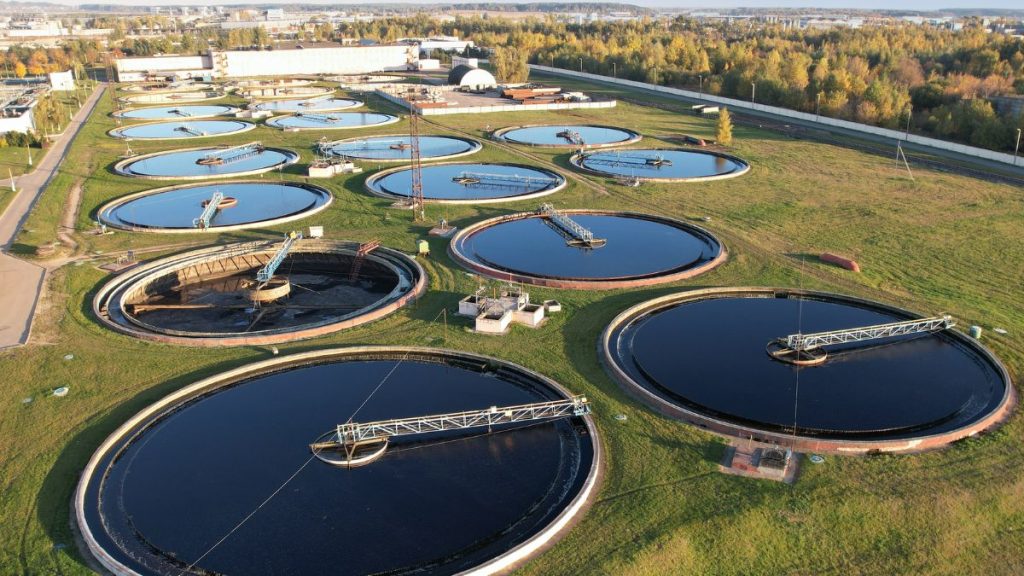
Complying with wastewater regulations is not only about having a well-designed wastewater treatment plant. Industries also need to continuously monitor wastewater quality to ensure that every discharge meets the required standards. This is why understanding SPARING parameters is essential for maintaining compliance, preventing environmental pollution, and keeping wastewater treatment systems operating efficiently.
Through SPARING, industries can automatically monitor wastewater quality in real time, allowing operators to detect changes early and take corrective action before wastewater exceeds the applicable discharge standards.
Why Should Wastewater Parameters Be Monitored in Real Time?
1. Wastewater Quality Can Fluctuate at Any Time
Wastewater characteristics are rarely constant. Changes in raw materials, production processes, or disruptions within the wastewater treatment plant can significantly affect wastewater quality within a short period.
If monitoring is carried out only through periodic manual sampling, these fluctuations may go unnoticed. As a result, wastewater discharged into the environment could exceed the permitted standards without being detected in time.
Real-time monitoring through SPARING allows industries to identify these changes immediately and respond more quickly to maintain compliance.
2. Preventing Environmental Pollution Risks
Each wastewater parameter has its own impact on the environment. Without proper monitoring, wastewater that does not meet quality standards can contaminate receiving water bodies, disrupt aquatic ecosystems, and expose companies to regulatory and reputational risks.
Continuous and automatic monitoring helps industries ensure that all parameters remain within acceptable limits and comply with environmental regulations.
3. Early Detection to Reduce Operational Risks
One of the biggest advantages of SPARING is its ability to provide early warnings when wastewater quality starts to deviate from normal conditions.
When a parameter shows an unusual trend or exceeds a predefined threshold, operators can immediately investigate the wastewater treatment process and make the necessary adjustments before the issue develops into a more serious problem.
Read Also: SPARING Regulation Indonesia: A Complete Guide to Industrial Wastewater Compliance
Common SPARING Parameters That Need to Be Monitored
1. pH
pH measures the acidity or alkalinity of wastewater. This parameter is critical because it directly affects both the wastewater treatment process and the environment.
If the pH is too low, the wastewater becomes acidic and may cause equipment corrosion as well as harm aquatic organisms. On the other hand, wastewater with excessively high pH can disrupt ecological balance and affect the quality of receiving water bodies.
Because pH can change rapidly, continuous monitoring is essential to ensure stable wastewater treatment performance.
2. COD (Chemical Oxygen Demand)
COD indicates the amount of oxygen required to oxidize organic substances present in wastewater.
A high COD value generally means that wastewater contains a large amount of organic pollutants. If discharged without proper treatment, these pollutants can reduce dissolved oxygen levels in rivers and lakes, negatively affecting aquatic life.
Real-time COD monitoring helps industries evaluate treatment efficiency and ensure that wastewater quality remains within the permitted limits.
3. TSS (Total Suspended Solids)
TSS measures the concentration of suspended particles in wastewater.
High TSS levels can increase water turbidity, reduce sunlight penetration, and interfere with photosynthesis in aquatic ecosystems. Over time, suspended solids can also accumulate and cause sedimentation in rivers and other water bodies.
Continuous TSS monitoring allows industries to evaluate the effectiveness of sedimentation and filtration processes within their wastewater treatment systems.
4. NH3 (Ammonia)
Ammonia is an important parameter commonly found in wastewater from various industrial sectors.
Excessive ammonia concentrations can be toxic to aquatic organisms and contribute to eutrophication, a condition where excessive nutrient levels trigger uncontrolled algae growth and disturb ecosystem balance.
Automatic NH3 monitoring enables industries to detect rising ammonia concentrations early and take immediate corrective action.
5. Wastewater Flow Rate
In addition to water quality parameters, wastewater flow rate is also an essential parameter in SPARING.
Flow data helps industries determine the total volume of wastewater discharged and calculate pollutant loads released into the environment.
Real-time flow monitoring also assists operators in evaluating wastewater treatment performance and detecting abnormalities within the system.
How Do SPARING Sensors Measure Parameters Automatically?
SPARING uses a combination of sensors and analyzers that continuously measure wastewater parameters and automatically transmit the data online for real-time monitoring.
1. pH Sensor
A pH sensor continuously measures the acidity or alkalinity of wastewater.
The sensor works by detecting hydrogen ion activity in the water, allowing changes in pH to be identified quickly and accurately. The measurement results are displayed in real time and can be transmitted directly to the monitoring system.
Read Also: pH Control in Wastewater Treatment: Why It Matters and How to Do It Properly
2. COD Analyzer
A COD analyzer measures the concentration of organic pollutants in wastewater.
The analyzer performs measurements automatically using calibrated methods, allowing industries to obtain consistent results without relying solely on laboratory testing.
3. TSS Analyzer
A TSS analyzer is designed to monitor suspended solids concentration continuously.
The instrument works by measuring turbidity or the scattering of light caused by suspended particles, enabling real-time tracking of TSS levels.
4. NH3 Analyzer
An NH3 analyzer automatically measures ammonia concentration in wastewater.
With continuous monitoring, increases in ammonia levels can be detected at an early stage, allowing operators to adjust the treatment process before wastewater quality is affected.
5. Flow Meter
A flow meter measures the volume and flow rate of wastewater discharged from the treatment system.
Accurate flow data is essential for calculating pollutant loads and ensuring that wastewater reporting complies with regulatory requirements.
Ensure Your SPARING Monitoring System Performs Reliably
Accurate wastewater monitoring requires more than simply installing sensors. Industries need an integrated solution that covers instrument selection, system installation, data integration, calibration, and routine maintenance.
LAI provides integrated SPARING solutions designed to help industries monitor wastewater parameters in real time, comply with environmental regulations, and maintain long-term system reliability. With extensive experience in water and wastewater treatment solutions, LAI supports industries in developing monitoring systems that are accurate, reliable, and ready to meet evolving compliance requirements.
Consult Your SPARING Requirements with LAI
Looking for a reliable SPARING solution to monitor wastewater parameters accurately and comply with regulations? Contact LAI to discuss your SPARING requirements and discover an integrated solution tailored to your industry’s needs.