
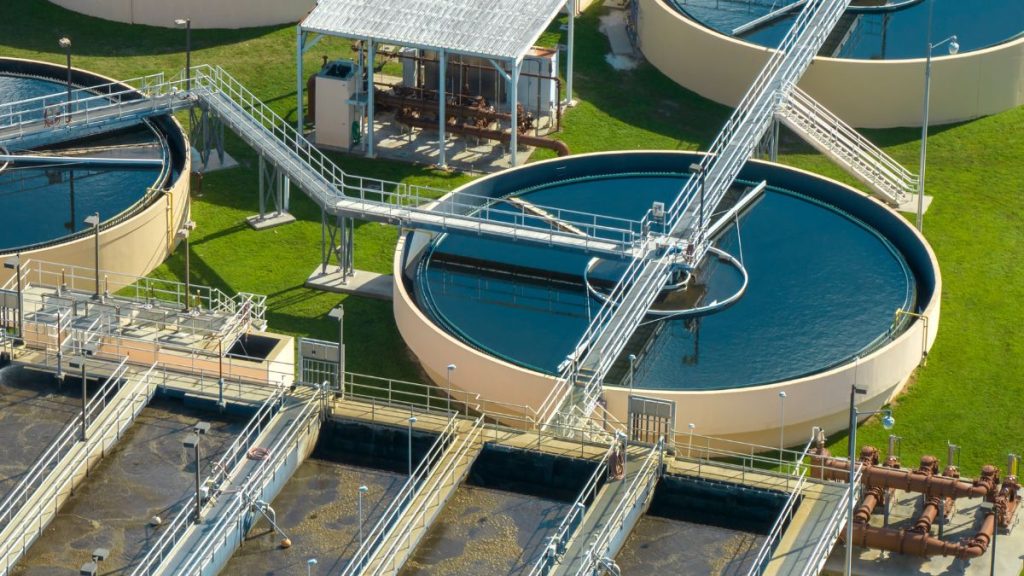
As environmental oversight becomes increasingly stringent, SPARING regulation Indonesia has become an essential topic for industries that generate wastewater. The government now requires greater transparency, continuous wastewater monitoring, and automatic reporting to the relevant authorities. Through SPARING, industries can meet these requirements while ensuring that their wastewater discharge consistently complies with the applicable quality standards.
What is SPARING?
Definition of SPARING
SPARING stands for Sistem Pemantauan Air Limbah Secara Terus Menerus dan Dalam Jaringan. It is a system designed to continuously monitor wastewater quality and automatically transmit monitoring data online to the government.
SPARING integrates various components, including sensors, analyzers, data loggers, communication devices, and monitoring software, allowing industries to access wastewater quality data in real time.
Functions of SPARING
SPARING serves several important functions, including:
- Continuously monitoring wastewater quality
- Automatically recording wastewater parameters
- Transmitting monitoring data online to the government system
- Supporting environmental reporting and audits
- Providing early warnings when wastewater parameters exceed regulatory limits
With an integrated monitoring system, industries can maintain better control over their wastewater treatment performance and respond more quickly when operational issues arise.
Why is SPARING Mandatory?
The Indonesian government requires SPARING as part of its efforts to strengthen environmental protection and improve transparency in industrial wastewater management.
Previously, wastewater monitoring relied heavily on periodic sampling, which only represented water quality at a specific point in time. SPARING provides continuous monitoring, allowing the government to obtain a more accurate and comprehensive picture of industrial wastewater discharge.
More importantly, SPARING helps prevent environmental pollution by encouraging industries to maintain the performance of their wastewater treatment systems consistently.
Why Wastewater Compliance Has Become a Priority in Indonesia
1. Environmental Monitoring is Becoming More Stringent
Over the years, Indonesia has strengthened its environmental regulations and increased supervision of industrial wastewater management.
Industries are expected not only to operate wastewater treatment plants effectively but also to demonstrate compliance through accurate and reliable monitoring data.
2. Greater Transparency of Wastewater Data
Environmental management today requires a higher level of transparency. Wastewater quality data must be available for verification by regulatory authorities to ensure that industrial operations comply with environmental requirements.
SPARING plays an important role in supporting this transparency by automatically recording and storing monitoring data in a secure and systematic manner.
Read Also: Textile Wastewater Treatment: Practical Solutions for Industrial Compliance and Efficiency
3. Automatic Data Transmission to the Ministry of Environment
One of the main advantages of SPARING is its ability to automatically transmit wastewater monitoring data to the Ministry of Environment.
This reduces reliance on manual reporting and ensures that the government receives up-to-date and continuous monitoring information, allowing faster responses when irregularities are detected.
4. Preventing Environmental Pollution Risks
Improperly treated wastewater can have serious impacts on the environment, including contamination of rivers, lakes, and groundwater sources.
Through continuous monitoring, SPARING helps industries detect operational issues at an early stage so corrective actions can be taken before environmental problems escalate.
SPARING Regulations in Indonesia
The implementation of SPARING in Indonesia is supported by various regulations that govern wastewater monitoring and reporting obligations for industries.
In general, these regulations cover:
- Continuous wastewater monitoring requirements
- Installation of online monitoring equipment
- Automatic transmission of monitoring data to the government
- Technical requirements for monitoring instruments and systems
- Data management and reporting obligations
- Compliance with wastewater discharge standards
As environmental regulations continue to evolve alongside technological advancements, industries need to ensure that their SPARING systems remain compliant with the latest requirements.
Industries Required to Implement SPARING
SPARING requirements apply to various industrial sectors that generate wastewater and are subject to environmental monitoring obligations.
Industries commonly required to implement SPARING include:
- Food and beverage industry
- Palm oil industry
- Chemical and petrochemical industry
- Pharmaceutical industry
- Textile industry
- Pulp and paper industry
- Mining industry
- Industrial estates
- Power plants
- Other industries with significant wastewater discharge
The exact requirements may vary depending on environmental permits, production capacity, and the characteristics of the wastewater generated.
Read Also: Pharmaceutical Water Treatment: Practical Solutions for Compliance and Efficiency
Risks of Non-Compliance with SPARING Regulations
Failing to comply with SPARING requirements can expose companies to various operational and regulatory risks.
1. Administrative Sanctions
Companies may face warnings, administrative penalties, or stricter supervision from environmental authorities if they fail to fulfill their monitoring obligations.
2. Licensing Issues
Non-compliance with environmental regulations may affect permit renewals and create obstacles for future business expansion or operational development.
3. Environmental Pollution Risks
Without an adequate monitoring system, problems within the wastewater treatment process may go unnoticed, increasing the risk of exceeding discharge standards and causing environmental pollution.
4. Reputational Impact
Today, environmental compliance is an important consideration for investors, customers, and other stakeholders. Violations of environmental regulations can damage a company’s reputation and affect long-term business sustainability.
Achieve SPARING Compliance with the Right Solution
Implementing SPARING involves much more than installing monitoring equipment. Industries need an integrated solution that includes instrument selection, data integration, connectivity with government systems, as well as regular calibration and maintenance services.
LAI provides integrated SPARING solutions designed to help industries meet regulatory requirements with greater ease and reliability. With extensive experience in water and wastewater treatment solutions, LAI supports industries through system design, installation, data integration, and operation and maintenance services to ensure that wastewater monitoring systems continue to perform optimally.
Consult Your SPARING Requirements with LAI
Every industry faces unique compliance challenges. With the right SPARING solution, companies can strengthen environmental compliance while maintaining operational efficiency.
Contact LAI today to discuss your SPARING requirements and discover a reliable wastewater monitoring solution that is accurate, compliant, and tailored to your industry’s needs.