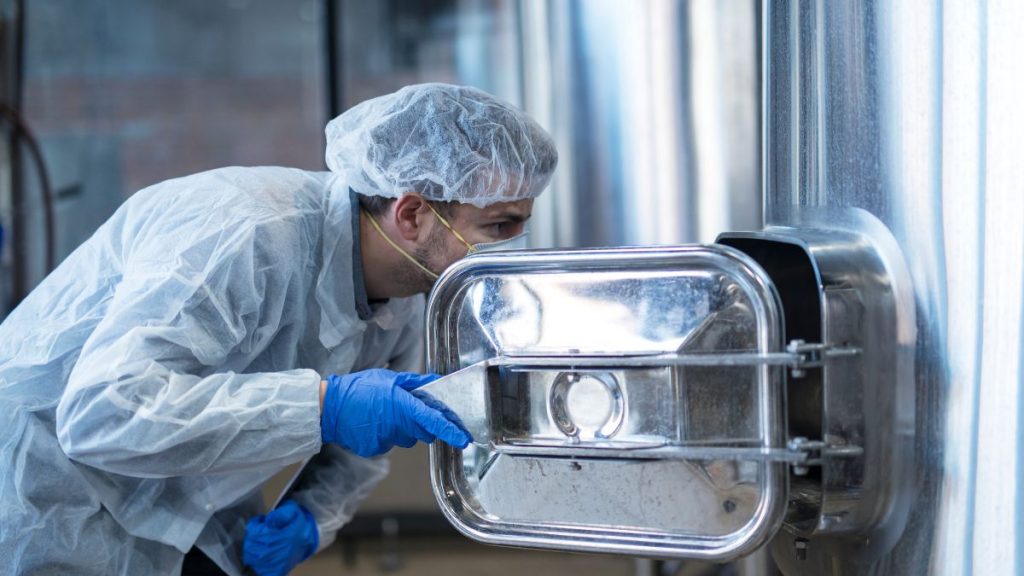
Food safety is not only about meeting standards. It is about protecting production continuity, maintaining consumer trust, and ensuring long-term business growth. Yet many food manufacturers still underestimate how costly poor hygiene in food-industry operations can be.
The consequences go far beyond cleanliness issues. Poor hygiene can lead to production downtime, expensive recalls, damaged brand reputation, and regulatory penalties that affect the entire business.
The good news is that these risks are preventable. With the right hygiene strategy, proper sanitation systems, and reliable operational support, food manufacturers can maintain safe and efficient production while protecting their brand and profitability.
Why Poor Hygiene Is Expensive
In food manufacturing, hygiene failures create a chain reaction. A small sanitation issue can spread contamination, interrupt operations, and trigger financial losses that extend far beyond the production floor.
The costs associated with poor hygiene often include:
- Production downtime due to contamination incidents
- Product recalls and disposal expenses
- Customer complaints and loss of market trust
- Regulatory fines and compliance issues
- Additional cleaning and recovery costs
- Reduced productivity and operational efficiency
For manufacturers operating in competitive markets, these risks can quickly outweigh the investment required for a strong hygiene and sanitation program.
Downtime and Productivity Loss
Production interruptions are among the most immediate consequences of poor hygiene.
When contamination is suspected, manufacturers may need to stop operations to conduct inspections, perform extensive cleaning, and verify product safety before production resumes. These delays can disrupt delivery schedules and reduce overall equipment effectiveness.
In facilities with continuous production lines, even a few hours of downtime can result in:
- Lost production output
- Increased labor costs
- Delayed customer deliveries
- Higher operational expenses
- Reduced equipment utilization
Preventive hygiene practices help manufacturers avoid these disruptions by maintaining sanitary production conditions throughout the manufacturing process.
Product Recalls
One of the most expensive consequences of poor hygiene in food industry facilities is product recall.
If contamination is discovered after products have entered the market, manufacturers may be required to:
- Recall affected products
- Stop production temporarily
- Conduct investigations
- Dispose of contaminated inventory
- Implement corrective actions
- Rebuild customer confidence
The direct financial cost of a recall can be significant. However, the indirect costs, including lost sales and damaged customer relationships, can be even greater.
A proactive sanitation program helps reduce contamination risks before products leave the facility, minimizing the likelihood of costly recalls.
Read Also: Food Contamination Cost: Understanding the Risks and How to Prevent Expensive Losses
Brand Reputation Damage
Consumers expect food products to be safe and hygienic. Once trust is damaged, restoring it can take years.
News of contamination incidents spreads quickly through digital media and social networks. Even a single hygiene failure can negatively impact:
- Consumer confidence
- Brand credibility
- Retail partnerships
- Business expansion opportunities
- Long-term customer loyalty
Strong hygiene practices are therefore not only an operational requirement but also a strategic investment in brand protection.
Companies that consistently maintain high sanitation standards are better positioned to strengthen customer trust and differentiate themselves in the market.
Regulatory Consequences
Food manufacturers are required to comply with strict food safety and sanitation regulations.
Poor hygiene practices may lead to:
- Failed audits
- Regulatory warnings
- Corrective action requirements
- Financial penalties
- Temporary production suspension
- Challenges in obtaining certifications
Regulatory compliance should not be treated as a one-time achievement. It requires continuous monitoring, proper sanitation procedures, and reliable hygiene management.
An effective hygiene program helps manufacturers maintain compliance while improving operational consistency and reducing risks.
Prevention Strategies
Preventing hygiene-related problems is far more cost-effective than dealing with contamination incidents after they occur.
Several strategies can help manufacturers establish a stronger hygiene system:
1. Implement Standardized Cleaning Procedures
Clear cleaning and sanitation procedures ensure consistency across shifts and production areas. Standard operating procedures help reduce human error and maintain hygiene standards throughout the facility.
2. Use Appropriate Cleaning and Sanitation Chemicals
Different contaminants require different cleaning approaches. Selecting suitable cleaning agents, sanitizers, and disinfectants is essential to effectively remove residues and control microbial growth without damaging equipment.
3. Optimize Cleaning Processes
Cleaning systems should be designed to maximize effectiveness while minimizing water, chemical, and energy consumption.
Technologies such as Clean-in-Place (CIP) systems and automated dosing solutions can help improve sanitation efficiency and process reliability.
4. Train Personnel Regularly
Employees play a critical role in maintaining hygiene standards. Regular training helps ensure that sanitation procedures are followed consistently and that potential risks are identified early.
5. Monitor Hygiene Performance
Routine inspections, testing, and hygiene verification programs help manufacturers identify issues before they become larger problems.
Continuous monitoring allows facilities to improve sanitation practices and maintain compliance with food safety requirements.
Read Also: CIP Cleaning Chemicals: A Guide to Better Cleaning Performance
Building Stronger Hygiene Standards with the Right Partner
Maintaining hygiene excellence requires more than cleaning products alone. It requires an integrated approach that combines the right chemicals, proper application methods, technical expertise, and continuous operational support.
At LAI, we understand that every food processing facility faces unique sanitation challenges. That is why we provide hygiene and sanitation solutions designed to help manufacturers improve cleaning effectiveness, maintain food safety standards, and support operational efficiency.
Our solutions include:
- Cleaning and sanitation chemicals for food processing facilities
- CIP chemical solutions for efficient equipment cleaning
- Disinfectants and sanitizers for microbial control
- Technical consultation and application support
- Hygiene program evaluation and optimization
- Operational assistance to improve sanitation performance
By focusing on practical and effective hygiene strategies, manufacturers can reduce contamination risks, protect production continuity, and strengthen consumer confidence.
Protect Your Operations Before Problems Occur
The cost of poor hygiene in food industry environments extends far beyond cleaning expenses. Downtime, recalls, reputation damage, and regulatory issues can have long-lasting impacts on business performance.
Investing in preventive hygiene strategies is one of the most effective ways to protect your operations and maintain food safety standards.
Looking for reliable hygiene and sanitation solutions for your food manufacturing facility?
LAI is ready to support your operation with practical cleaning and sanitation programs tailored to your production needs. Contact our team today to discuss how we can help improve hygiene performance and support your food safety goals.