Food contamination is more than a quality issue. It can quickly become a major financial burden that affects production continuity, customer trust, and business reputation. From product recalls to production downtime, the food contamination cost can escalate rapidly when preventive measures are not in place.
For food manufacturers, preventing contamination is not only about complying with regulations. It is about protecting products, maintaining operational efficiency, and ensuring long-term business sustainability.
This article explains the causes of food contamination, its financial consequences, and practical strategies that manufacturers can implement to minimize risks.
What Is Product Contamination?
Product contamination occurs when food products are exposed to unwanted physical, chemical, or biological substances that compromise their safety and quality.
Contamination can happen at any stage of the production process, from raw material handling and processing to packaging and storage. Even a minor contamination incident can result in products becoming unsafe for consumption or failing to meet quality standards.
The most common types of food contamination include:
- Biological contamination caused by bacteria, molds, yeast, or viruses
- Chemical contamination from cleaning residues, lubricants, pesticides, or processing chemicals
- Physical contamination from foreign objects such as metal fragments, plastic pieces, or glass
- Cross-contamination caused by transferring contaminants from one surface, product, or area to another
Because contamination can occur at multiple points, food manufacturers need a comprehensive prevention strategy rather than relying solely on end-product testing.
Read Also: CIP Cleaning Chemicals: A Guide to Better Cleaning Performance
Causes of Contamination in Food Manufacturing
Understanding the root causes of contamination is the first step toward reducing food contamination cost.
1. Poor Cleaning and Sanitation Practices
Inadequate cleaning can allow residues and microorganisms to accumulate on processing equipment. Over time, these contaminants can spread throughout the production line and affect product quality.
Without an effective cleaning and sanitation program, manufacturers may face recurring contamination risks and increased operational costs.
2. Inadequate Personnel Hygiene
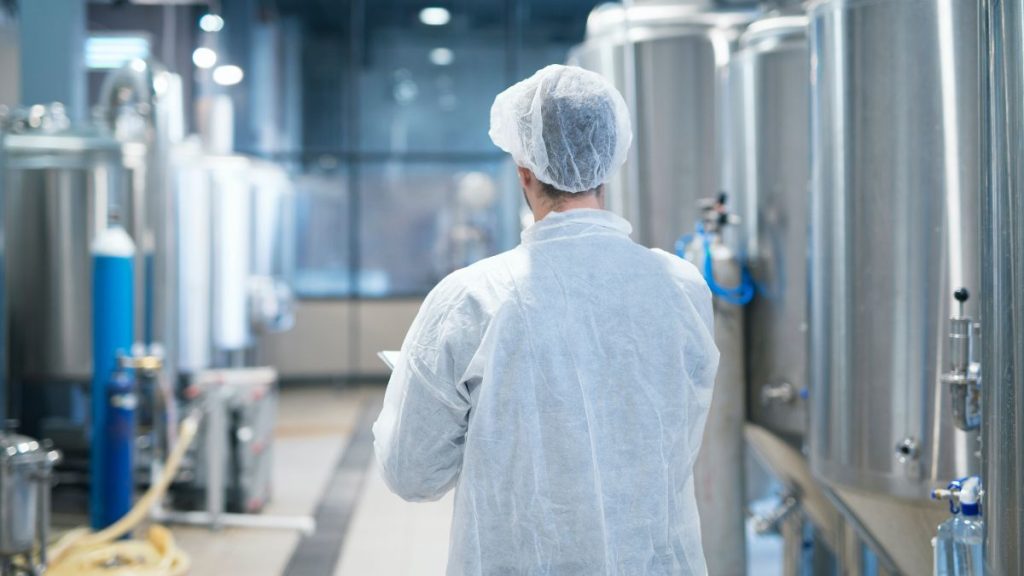
Employees play a crucial role in maintaining food safety. Improper hand hygiene, poor sanitation practices, or non-compliance with hygiene protocols can introduce contaminants into production areas.
Regular training and standardized hygiene procedures are essential to reduce this risk.
3. Equipment Design and Maintenance Issues
Equipment that is difficult to clean or maintain can become a source of contamination. Dead spaces, rough surfaces, and damaged components may harbor microorganisms and residues.
Routine maintenance and hygienic equipment design help minimize contamination risks while improving cleaning efficiency.
4. Cross-Contamination During Production
Cross-contamination may occur when allergens, raw materials, or microorganisms are transferred between products or production lines.
Segregated processing areas, proper cleaning procedures, and validated sanitation programs are important measures to prevent this issue.
The Financial Impact of Food Contamination Cost
The true food contamination cost extends far beyond replacing spoiled products. The financial consequences often affect multiple areas of the business simultaneously.
Manufacturers may experience:
- Increased production costs
- Product disposal expenses
- Product recall costs
- Regulatory penalties
- Production downtime
- Customer compensation claims
- Loss of consumer trust and brand reputation
For many companies, a single contamination event can result in losses that far exceed the investment required for preventive food safety measures.
Read Also: Improve the Water Treatment Plant Efficiency for Sustainable and Cost-Effective Operations
Production Losses Caused by Contamination
One of the most immediate impacts of contamination is production loss.
When contamination is detected, manufacturers often need to:
- Stop production lines for investigation
- Dispose of affected products
- Perform extensive cleaning and sanitation
- Conduct product testing and verification
- Delay deliveries to customers
These disruptions reduce production capacity and can affect supply chain reliability. In industries with high production volumes, even a short shutdown may result in significant financial losses.
Moreover, restarting production requires additional labor, materials, and quality assurance activities, adding further operational costs.
Product Recall Consequences
Product recalls are among the most expensive outcomes of food contamination.
A recall involves much more than removing products from the market. Companies must also:
- Trace affected product batches
- Notify distributors and consumers
- Manage logistics for product returns
- Conduct investigations and corrective actions
- Address legal and regulatory requirements
- Restore customer confidence
Beyond direct expenses, recalls can have long-term effects on brand reputation and customer loyalty.
Consumers today expect food manufacturers to maintain high safety standards. A contamination incident can quickly influence purchasing decisions and market perception.
This is why many manufacturers prioritize preventive food safety strategies rather than dealing with the high food contamination cost after an incident occurs.
Prevention Strategies to Reduce Food Contamination Cost
The most effective way to control food contamination cost is through prevention.
1. Implement Effective Cleaning and Sanitation Programs
Cleaning procedures should be designed based on the type of food product, equipment configuration, and contamination risks.
A well-designed sanitation program helps remove residues, control microorganisms, and maintain consistent hygiene performance throughout the production process.
2. Optimize CIP Cleaning Systems
Clean-in-Place or CIP systems enable automated cleaning of pipelines, tanks, and processing equipment without dismantling the system.
When combined with the appropriate cleaning chemicals and validated procedures, CIP can improve cleaning consistency while reducing human error.
3. Establish Food Safety Monitoring
Routine monitoring of hygiene indicators, microbial levels, and sanitation effectiveness helps manufacturers identify risks before they become major issues.
Monitoring programs support continuous improvement and strengthen food safety management systems.
4. Train Employees Regularly
Food safety is a shared responsibility.
Regular training ensures employees understand hygiene requirements, cleaning procedures, and contamination prevention practices that contribute to safer operations.
Strengthening Food Safety with the Right Partner
Preventing contamination requires more than just cleaning chemicals or equipment. It requires a comprehensive approach that combines technical expertise, effective sanitation programs, and reliable operational support.
At LAI, we support food and beverage manufacturers with integrated Cleaning and Sanitation solutions designed to improve hygiene performance and minimize contamination risks.
Our solutions include:
- CIP cleaning chemicals for various food processing applications
- Cleaning and sanitation chemicals for production facilities
- Technical support for cleaning optimization
- Hygiene and sanitation assessment
- Food safety consultation and operational assistance
By helping manufacturers maintain consistent hygiene standards and effective cleaning practices, LAI supports businesses in reducing food contamination cost while improving operational reliability.
Protect Your Products Before Contamination Happens
Food contamination can lead to significant financial losses, operational disruption, and reputational damage. However, with the right prevention strategy, these risks can be effectively managed.
If you are looking to strengthen your food safety program, optimize cleaning performance, or improve sanitation practices, LAI is ready to support your operations with practical and reliable solutions.
Contact LAI today and discover how our Cleaning & Sanitation solutions can help protect your products, reduce food contamination cost, and support safer food manufacturing operations.