
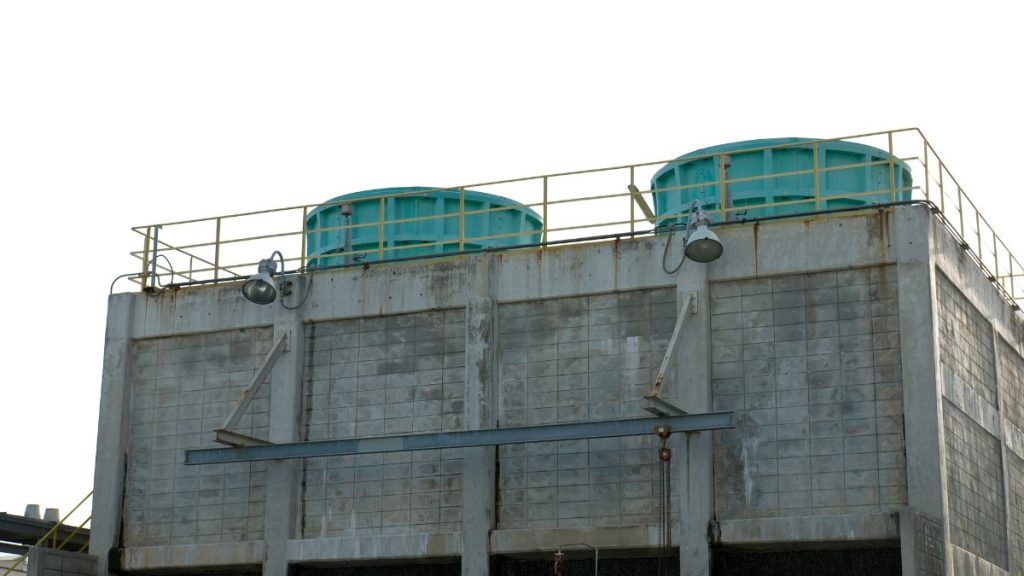
Cooling tower white rust is one of the most common problems found in newly installed or newly galvanized cooling tower systems. If not handled properly from the beginning, white rust can reduce equipment lifespan, damage galvanized surfaces, and increase maintenance costs over time.
The good news is that cooling tower white rust can be prevented through proper startup procedures, water chemistry control, and the right chemical treatment program. Industries that apply preventive actions early can maintain cooling tower performance more reliably and avoid premature corrosion issues.
What Is White Rust in Cooling Tower Systems?
White rust is a form of zinc corrosion that appears as a white, chalky, or powder-like deposit on galvanized steel surfaces inside cooling towers. This issue commonly occurs in cooling towers that use galvanized metal components during the early stages of operation.
The corrosion forms when zinc reacts with water under certain water chemistry conditions, especially when alkalinity and pH levels become too high. Instead of forming a stable protective layer, the zinc surface deteriorates and creates soft white deposits.
Over time, cooling tower white rust can lead to:
- Premature damage to galvanized surfaces
- Reduced structural protection
- Higher corrosion risks
- Increased maintenance requirements
- Shorter cooling tower lifespan
White rust often appears during the first few months after installation, making startup water treatment extremely important.
Read Also: Cooling Tower Chemical Guide for Better System Performance
What Causes Cooling Tower White Rust?
Several operational factors can trigger cooling tower white rust formation.
1. High pH Levels
When pH levels remain too high, zinc surfaces become unstable and more vulnerable to corrosion. Newly galvanized cooling towers are especially sensitive to alkaline conditions.
2. High Alkalinity and Hardness
Excessive alkalinity and calcium hardness can accelerate white rust formation, particularly when combined with poor water circulation or stagnant areas.
3. Improper Startup Procedures
Many cooling tower systems experience white rust because the startup process is not properly controlled. Running a new cooling tower without passivation treatment can quickly damage galvanized surfaces.
4. Low Phosphate Protection
Without sufficient corrosion inhibitors, zinc surfaces cannot develop a stable protective layer against water exposure.
5. Poor Water Treatment Control
Unstable chemical dosing, inconsistent monitoring, and untreated make up water can all contribute to white rust problems.
How to Prevent Cooling Tower White Rust
Preventing cooling tower white rust requires a combination of operational control and proper water treatment strategies.
1. Maintain Proper pH Levels
For newly galvanized cooling towers, maintaining controlled pH levels is critical. Excessively high pH should be avoided during the early operation period.
Consistent monitoring helps minimize zinc corrosion risks and supports proper passivation.
2. Apply Passivation Treatment
Passivation is one of the most effective methods to prevent cooling tower white rust. This process allows galvanized surfaces to form a stable protective coating before normal operation begins.
A proper passivation program usually includes:
- Controlled water chemistry
- Temporary operational adjustments
- Corrosion inhibitor dosing
- Regular monitoring during startup
3. Use Appropriate Corrosion Inhibitors
Cooling tower chemical programs should include corrosion inhibitors specifically designed to protect galvanized metal surfaces.
The right inhibitor selection depends on:
- Water quality
- System temperature
- Cycles of concentration
- Cooling tower design
- Operational conditions
4. Monitor Water Chemistry Regularly
Routine monitoring helps detect unstable conditions before corrosion becomes severe.
Important parameters include:
- pH
- Conductivity
- Alkalinity
- Hardness
- Corrosion potential
Consistent monitoring allows operators to make adjustments quickly and maintain stable cooling tower conditions.
5. Improve Water Treatment Management
Proper chemical dosing systems, automated controllers, and regular inspections help maintain balanced water chemistry and reduce white rust risks.
A preventive approach is always more cost-effective than repairing corrosion damage later.
Read Also: Understanding and Controlling Cooling Tower Biofilm for Optimal System Performance
Maintaining Long-Term Cooling Tower Reliability
White rust is often treated as a temporary startup issue, but its impact can continue for years if the galvanized layer becomes permanently damaged.
A well-managed cooling tower treatment program not only prevents white rust but also helps improve:
- Heat transfer efficiency
- Equipment lifespan
- Operational reliability
- Water usage efficiency
- Maintenance cost control
Industries that invest in preventive treatment early usually experience fewer operational disruptions and lower long-term repair expenses.
Supporting Stable Cooling Tower Performance
Every cooling tower system has different operational challenges depending on water quality, load conditions, and equipment design. Because of this, cooling tower white rust prevention should be approached with a customized treatment strategy rather than a one-size-fits-all solution.
Lautan Air Indonesia provides integrated water treatment support for industrial cooling tower systems, including water analysis, chemical treatment programs, operational monitoring, and system optimization to help industries reduce corrosion risks and maintain stable cooling tower performance.
Conclusion
Cooling tower white rust can significantly reduce the lifespan of galvanized cooling tower systems if left untreated. However, with proper startup procedures, controlled water chemistry, and effective corrosion prevention programs, industries can minimize white rust formation and maintain long-term system reliability.
If your cooling tower system is experiencing early corrosion signs or unstable water conditions, working with an experienced water treatment partner can help improve protection and operational performance.
Contact Lautan Air Indonesia to discuss the right cooling tower treatment strategy for your industrial operation.