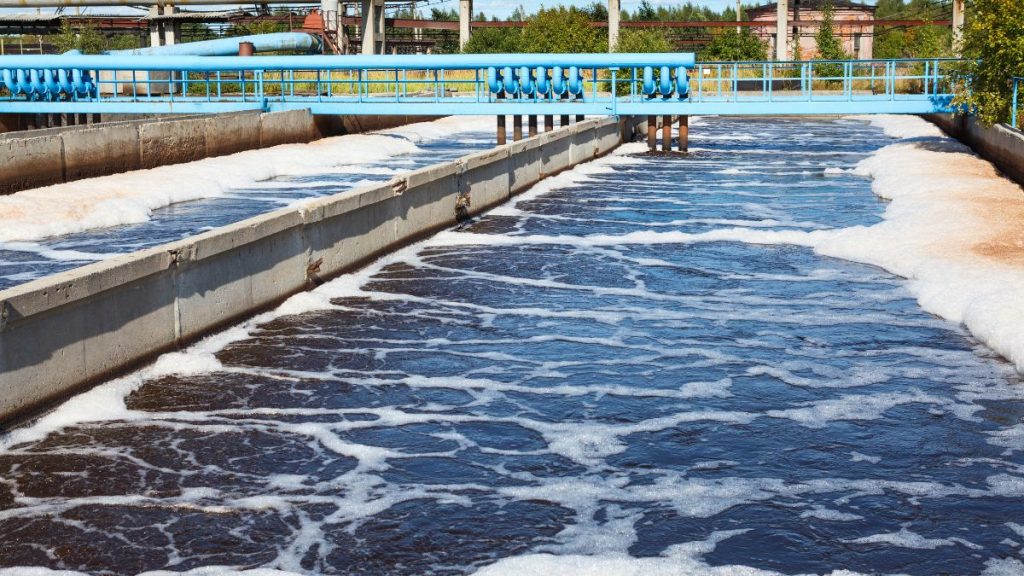
Alkalinity adjustment in wastewater treatment plays an important role in maintaining stable pH conditions, protecting treatment equipment, and supporting efficient biological and chemical processes. Without proper alkalinity control, wastewater treatment systems can experience unstable pH, reduced treatment efficiency, corrosion issues, and operational disruptions.
For industries that rely on consistent wastewater treatment performance, understanding how alkalinity works and how to control it is essential for maintaining compliance and reducing operational risks.
What Is Alkalinity Adjustment in Wastewater Treatment?
Alkalinity refers to the water’s ability to neutralize acids and resist sudden pH changes. In wastewater treatment systems, alkalinity acts as a buffer that helps maintain stable operating conditions throughout the treatment process.
Alkalinity adjustment is the process of increasing or decreasing alkalinity levels to achieve the desired water chemistry. This adjustment is commonly required in industrial wastewater treatment systems where wastewater characteristics can fluctuate due to changes in production processes, chemical usage, or incoming raw water quality.
When alkalinity levels are too low, pH can become unstable and lead to acidic conditions. On the other hand, excessively high alkalinity may interfere with certain treatment processes or chemical reactions. Proper adjustment helps ensure that treatment systems operate efficiently and consistently.
Why Is Alkalinity Important in Water Treatment?
Alkalinity affects many critical aspects of wastewater treatment performance. Maintaining the right alkalinity level can help improve treatment stability and prevent operational problems.
1. Maintaining Stable pH Conditions
One of the primary functions of alkalinity is buffering pH fluctuations. Many wastewater treatment processes, especially biological treatment systems, require a stable pH range to function properly. Sudden drops in pH can harm microorganisms and reduce treatment efficiency.
By maintaining adequate alkalinity, operators can prevent drastic pH swings and keep the treatment process stable.
2. Supporting Biological Treatment
Biological wastewater treatment systems rely on microorganisms to break down contaminants. These microorganisms are sensitive to pH changes and require sufficient alkalinity to survive and function effectively.
Processes such as nitrification consume alkalinity during operation. Without enough alkalinity, the biological process may slow down or fail, leading to poor treatment performance and potential discharge compliance issues.
Read Also: Biological Wastewater Treatment: An Effective Approach for Sustainable Water Management
3. Preventing Corrosion and Equipment Damage
Low alkalinity can contribute to acidic water conditions, which may increase corrosion risks in pipelines, tanks, pumps, and other treatment equipment. Corrosion not only damages equipment but can also increase maintenance costs and reduce system lifespan.
Proper alkalinity adjustment helps create more balanced water chemistry and supports long-term equipment reliability.
4. Improving Chemical Treatment Efficiency
Many chemical treatment processes depend on stable pH and alkalinity conditions for optimal performance. Coagulation, flocculation, precipitation, and neutralization processes can become less effective if alkalinity levels are not properly controlled.
Consistent alkalinity helps treatment chemicals perform more efficiently and reduces unnecessary chemical consumption.
Common Chemicals for Alkalinity Adjustment
Several chemicals are commonly used to increase or reduce alkalinity in wastewater treatment systems. The selection depends on wastewater characteristics, treatment goals, and operational requirements.
Chemicals Used to Increase Alkalinity
1. Caustic Soda (Sodium Hydroxide)
Caustic soda is widely used for rapidly increasing pH and alkalinity. It is highly effective and commonly applied in industrial wastewater treatment systems where fast adjustment is required.
2. Lime (Calcium Hydroxide)
Lime is often used for both alkalinity adjustment and pH correction. It is commonly applied in large-scale wastewater treatment systems due to its cost-effectiveness and ability to improve coagulation performance.
3. Sodium Bicarbonate
Sodium bicarbonate provides a gentler alkalinity increase and is commonly used in biological treatment systems where stable buffering capacity is important.
4. Soda Ash (Sodium Carbonate)
Soda ash is another common chemical used to raise alkalinity while helping stabilize pH conditions.
Chemicals Used to Reduce Alkalinity
1. Sulfuric Acid
Sulfuric acid is commonly used to lower alkalinity and pH in wastewater treatment systems that experience excessively alkaline conditions.
2. Hydrochloric Acid
Hydrochloric acid is also used for alkalinity reduction and pH control in certain industrial applications.
Because chemical dosing directly impacts treatment performance, proper monitoring and control systems are essential to avoid overfeeding or unstable water conditions.
Read Also: Jar Test in Water Treatment for Better Chemical Dosing Performance
Supporting More Stable Wastewater Treatment Operations
Effective alkalinity adjustment requires more than simply adding chemicals. Industries need a reliable strategy that considers wastewater characteristics, treatment targets, dosing accuracy, and operational consistency.
Lautan Air Indonesia supports industries with integrated water and wastewater treatment solutions, including chemical supply, dosing systems, water quality monitoring, and operational support. Through proper evaluation and treatment optimization, industries can maintain more stable wastewater treatment performance while minimizing operational risks.
With experience across various industrial sectors, Lautan Air Indonesia helps customers identify suitable alkalinity adjustment strategies that align with their treatment processes and compliance requirements.
Conclusion
Alkalinity adjustment in wastewater treatment is essential for maintaining stable pH, supporting biological treatment, improving chemical treatment efficiency, and protecting treatment equipment from corrosion risks.
By understanding the importance of alkalinity and selecting the appropriate treatment strategy, industries can improve wastewater treatment reliability and reduce operational challenges.
If your facility is experiencing unstable pH conditions or inconsistent wastewater treatment performance, working with an experienced water treatment partner can help optimize your system and improve operational stability.
Contact Lautan Air Indonesia to learn more about wastewater treatment solutions, chemical dosing systems, and alkalinity adjustment support tailored to your industrial operations.