
High levels of suspended particles in water can create serious operational problems for industrial facilities. Without proper suspended solids treatment, companies may face clogged pipelines, unstable water quality, excessive sludge buildup, equipment fouling, and increased maintenance costs. In many industries, untreated suspended solids can also reduce production efficiency and create compliance risks for wastewater discharge.
An effective suspended solids treatment strategy helps industries maintain cleaner water systems, improve process reliability, and protect critical equipment from long-term damage. By combining the right treatment process, chemicals, and filtration systems, industries can significantly reduce Total Suspended Solids (TSS) and improve overall operational performance.
What Is Suspended Solids Treatment?
Suspended solids treatment refers to the process of removing solid particles that remain floating in water. These particles are commonly measured as Total Suspended Solids (TSS), which may include:
- Silt and sediment
- Organic matter
- Metal particles
- Algae and biological materials
- Industrial residues
- Fine sludge particles
TSS is commonly found in raw water, process water, cooling systems, and industrial wastewater. If left untreated, suspended solids can affect water clarity, reduce treatment efficiency, and damage downstream equipment.
Industries such as manufacturing, food and beverage, mining, power plants, pulp and paper, and municipal water treatment often require reliable suspended solids treatment systems to maintain stable operations.
Read Also: Why Solids Floating in Secondary Clarifiers?
Importance of Removing Total Suspended Solids
Removing Total Suspended Solids is not only about improving the water’s appearance. It directly impacts operational reliability, water treatment performance, and equipment lifespan.
1. Prevents Equipment Fouling and Blockage
Suspended particles can accumulate inside pipelines, pumps, valves, and membranes. Over time, these deposits reduce flow rates and increase pressure drops throughout the system.
Proper suspended solids treatment helps minimize fouling and prevents costly unplanned shutdowns.
2. Improves Filtration Efficiency
High TSS levels overload filtration systems and reduce filter performance. This can cause frequent backwashing, shorter media lifespan, and increased operating costs.
By reducing suspended solids before filtration, industries can maintain more stable filtration performance.
3. Supports Wastewater Compliance
Many industrial facilities must comply with wastewater discharge regulations related to TSS concentration. Excessive suspended solids can lead to environmental issues and potential compliance penalties.
An optimized suspended solids treatment process helps facilities meet discharge standards more consistently.
4. Protects Membrane Systems
Reverse Osmosis (RO), Ultrafiltration (UF), and other membrane systems are highly sensitive to suspended particles. Elevated TSS levels increase the risk of membrane fouling and shorten membrane lifespan.
Effective pretreatment significantly improves membrane reliability and reduces cleaning frequency.
5. Enhances Water Quality Stability
Stable water quality is critical for industrial production processes. Excess suspended solids can affect product quality, heat transfer efficiency, and chemical treatment performance.
Removing TSS helps maintain more consistent process conditions.
The Process of Suspended Solids Treatment
The suspended solids treatment process can vary depending on water characteristics, TSS concentration, and operational requirements. However, most industrial systems typically involve several key stages.
1. Coagulation
The process often begins with coagulation, where coagulant chemicals are added to destabilize fine suspended particles. These chemicals neutralize particle charges, allowing small particles to combine into larger particles.
Common coagulants include:
- Poly Aluminium Chloride (PAC)
- Aluminium Sulfate
- Ferric Chloride
Proper chemical dosing is essential to achieve effective particle removal.
2. Flocculation
After coagulation, flocculation helps combine destabilized particles into larger flocs that can settle more easily.
Flocculants improve the separation process and increase clarification efficiency.
3. Sedimentation or Clarification
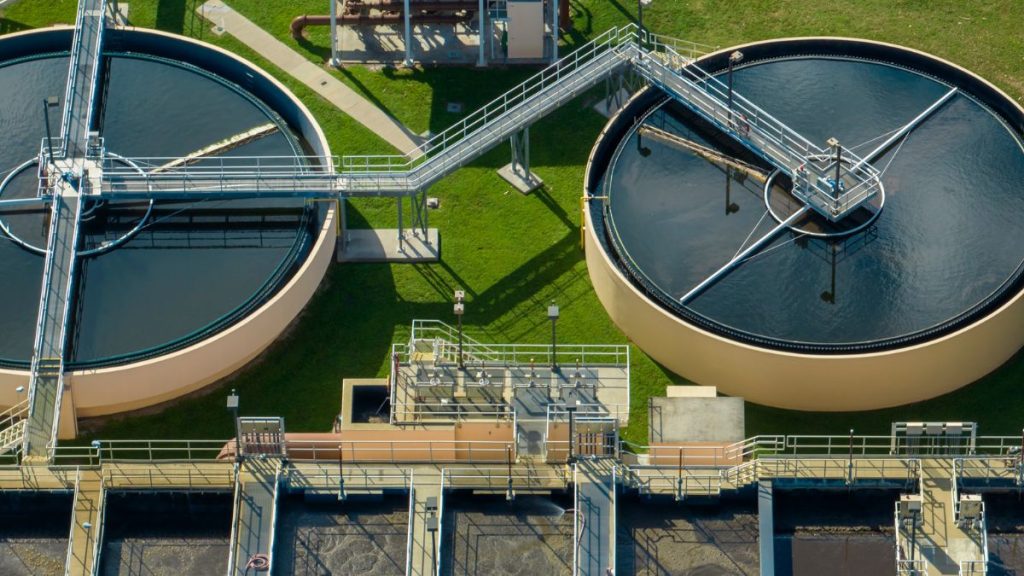
The formed flocs are then separated through sedimentation or clarifier systems. Gravity allows the heavier particles to settle at the bottom, producing clearer water.
This stage significantly reduces suspended solids before further treatment.
4. Filtration
After clarification, filtration systems help remove remaining fine particles. Common filtration technologies include:
- Multimedia filtration
- Sand filtration
- Activated carbon filtration
- Ultrafiltration systems
Filtration improves final water clarity and protects downstream equipment.
5. Sludge Handling
The separated solids are collected as sludge and require proper handling and disposal. Efficient sludge management is important to maintain stable plant operation.
Read Also: Optimizing Sludge Water Treatment for Efficiency
Factors That Affect Suspended Solids Treatment Performance
Several operational factors influence treatment efficiency, including:
- TSS concentration
- Particle size distribution
- Water pH
- Flow rate
- Chemical dosage
- Temperature
- Organic content
Regular monitoring and optimization are important to maintain consistent treatment performance.
Optimizing Water Performance Through Reliable Treatment Support
Managing suspended solids effectively requires more than simply installing equipment. Industries need an integrated approach that combines proper system design, chemical selection, operational monitoring, and ongoing technical support.
PT Lautan Air Indonesia provides industrial water treatment solutions designed to help industries improve suspended solids treatment performance across various applications. Through water treatment chemicals, filtration systems, technical consultation, laboratory support, and operational services, LAI helps facilities achieve more stable water quality and operational reliability.
LAI supports industries in areas such as:
- Coagulant and flocculant selection
- Clarifier optimization
- Filtration system support
- TSS reduction programs
- Membrane pretreatment improvement
- Water quality monitoring
- Operational troubleshooting
With proper treatment strategies, industries can reduce maintenance costs, improve equipment protection, and maintain more efficient water treatment operations.
If your facility is experiencing high TSS challenges, unstable water clarity, or filtration issues, working with an experienced water treatment partner can help optimize system performance and improve long-term reliability.
Contact Lautan Air Indonesia to learn more about suspended solids treatment solutions tailored to your industrial water system.