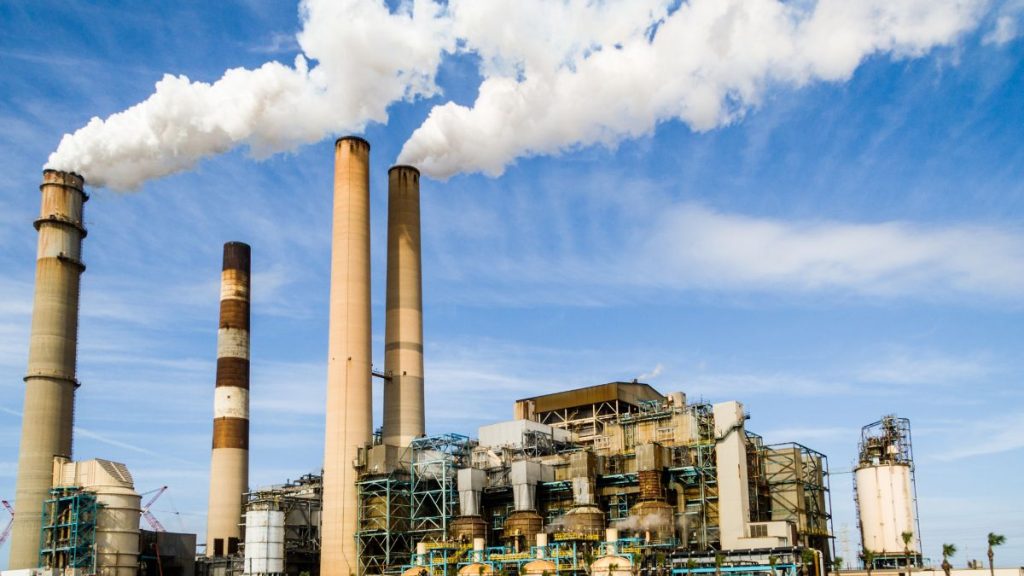
Power plant water treatment is essential for maintaining reliable operations across boiler systems, cooling systems, process water applications, and wastewater management. Poor water quality can contribute to scaling, corrosion, fouling, and reduced heat-transfer efficiency, while inadequate wastewater management can create additional operational and compliance challenges.
Because each water stream has different requirements, an effective approach is to treat the plant’s water cycle as an integrated system, from raw water intake to process use, wastewater generation, and potential water reuse.
The Challenges Faced in Water Management within Power Plants
1. Variable Raw Water Quality
Power plants may use surface water, groundwater, municipal water, or other sources. Each source can contain different levels of suspended solids, organic matter, hardness, silica, and dissolved salts.
These variations directly affect the treatment process required before water can be used in plant operations. For example, surface water with high turbidity may require coagulation, clarification, and filtration, while water with high dissolved solids may require reverse osmosis or demineralization.
2. Maintaining Boiler Water Quality
Boiler and steam systems require carefully controlled water chemistry. Dissolved minerals and other contaminants can contribute to scale, corrosion, and deposition on heat-transfer surfaces.
As a result, boiler makeup water often requires a higher level of treatment than general process water. The treatment system may combine RO, ion exchange, EDI, and chemical treatment depending on the boiler configuration and required water quality.
3. Controlling Cooling Water Chemistry
Cooling systems face different challenges. As water evaporates, dissolved minerals become concentrated in the circulating water. Without appropriate control, this can increase the risk of scaling, corrosion, and biological fouling.
Cooling water management therefore requires a combination of chemical treatment, filtration, monitoring, and blowdown control. The objective is to maintain water chemistry within an appropriate operating range while avoiding unnecessary water consumption.
4. Managing Multiple Wastewater Streams
Power plants generate wastewater from several processes, including cooling tower blowdown, boiler blowdown, RO reject, demineralization, equipment cleaning, and other plant activities.
These streams can have different contaminant profiles. Treating them effectively requires understanding where the wastewater comes from, what contaminants it contains, and whether the water is intended for discharge or potential reuse.
5. Reducing Water Consumption
Water availability and operating costs can encourage power plants to evaluate water recovery and reuse.
Selected wastewater streams may potentially be treated for reuse in applications with suitable water quality requirements. However, recovery should be evaluated carefully to avoid transferring scaling, corrosion, or fouling risks to another part of the plant.
Read Also: Sugar Industry Wastewater Treatment: Challenges During Peak Production
What Water Treatment Technologies Are Available for Power Plants?
The appropriate technology depends on the water source, application, required water quality, and wastewater characteristics. In practice, several technologies are combined into treatment trains.
1. Raw Water Pretreatment
A typical raw water pretreatment train can include:
Coagulation → Flocculation → Clarification → Multimedia Filtration
Coagulation and flocculation help remove suspended solids and turbidity, while clarification separates the formed flocs. Multimedia filtration provides additional solids removal and can help protect downstream membrane systems.
Activated carbon can also be incorporated when the water requires additional treatment for certain organic compounds or residual chlorine.
2. Boiler Feedwater and Demineralization
For boiler makeup water, a treatment train may include:
Pretreatment → RO → Ion Exchange or EDI → Boiler Makeup
Reverse osmosis reduces dissolved salts and other contaminants before the water reaches the polishing stage. Ion exchange or EDI can then further reduce ionic contaminants when higher-purity water is required.
The treatment configuration should be selected according to the boiler pressure, feedwater requirements, source water quality, and overall steam-cycle design.
3. Cooling Water Treatment
Cooling water treatment focuses on controlling scale, corrosion, biological growth, and suspended solids.
Treatment programs can combine:
- Scale and corrosion inhibitors
- Biocides
- Dispersants
- Side-stream filtration
- Blowdown management
- Water quality monitoring
The treatment strategy should be adjusted according to cooling system design, makeup water quality, and cycles of concentration.
4. Industrial Wastewater Treatment
Power plant wastewater can require a combination of physical and chemical treatment.
A typical treatment train may include:
Equalization → pH Adjustment → Coagulation & Flocculation → Clarification → Filtration
Additional membrane or polishing treatment can be considered when the treated water needs to meet stricter discharge requirements or be reused within the plant.
5. Water Recovery and Reuse
Where water reuse is technically feasible, selected streams such as RO reject, cooling tower blowdown, or treated process wastewater can be evaluated for recovery.
Depending on the water quality and reuse target, technologies such as filtration, ultrafiltration, RO, or ion exchange may be integrated into the recovery system.
The objective is to achieve fit-for-purpose water quality, rather than applying the same treatment level to every application.
Read Also: Automotive Wastewater Treatment: Solving Water Challenges in Modern Manufacturing
How Lautan Air Indonesia Can Support Power Plant Water Treatment
Power plant water management often requires different treatment technologies and chemical programs to work together. The challenge is ensuring that these solutions fit the plant’s actual operating conditions.
PT Lautan Air Indonesia (LAI) can support industrial water treatment requirements across different stages of the plant water cycle, including:
- Raw water and process water treatment
- Boiler and cooling water treatment
- Water treatment chemicals and media
- Reverse osmosis and membrane systems
- Demineralization and high-purity water treatment
- Industrial wastewater treatment
- Water recovery and reuse
- Equipment and operational support
LAI’s approach can start with understanding the source water, existing treatment system, process requirements, and wastewater characteristics. This helps identify the appropriate treatment configuration and potential areas for system optimization.
Building a More Reliable Water Management Strategy
Power plant water treatment is not about selecting one technology. It is about developing the right combination of treatment processes for each water stream within the plant.
From raw water pretreatment and boiler feedwater to cooling water, wastewater treatment, and potential water reuse, each stage needs to support reliable plant operation.
If your power plant is planning a new treatment system, upgrading existing infrastructure, or looking to improve water and wastewater management, LAI can help evaluate your requirements and develop a treatment approach suited to your operational needs.
Talk to Lautan Air Indonesia about your power plant water treatment requirements and explore a solution designed around your plant’s water management challenges.