Low dissolved oxygen in aeration tank systems is one of the most common causes of poor biological treatment performance in wastewater treatment plants. When dissolved oxygen (DO) levels fall outside the required range, microorganisms that break down organic pollutants become less effective, leading to reduced treatment efficiency, poor effluent quality, and potential regulatory compliance issues.
The good news is that low DO problems can often be identified and corrected through proper monitoring, aeration system optimization, and process control.
Why Dissolved Oxygen Is Important in an Aeration Tank
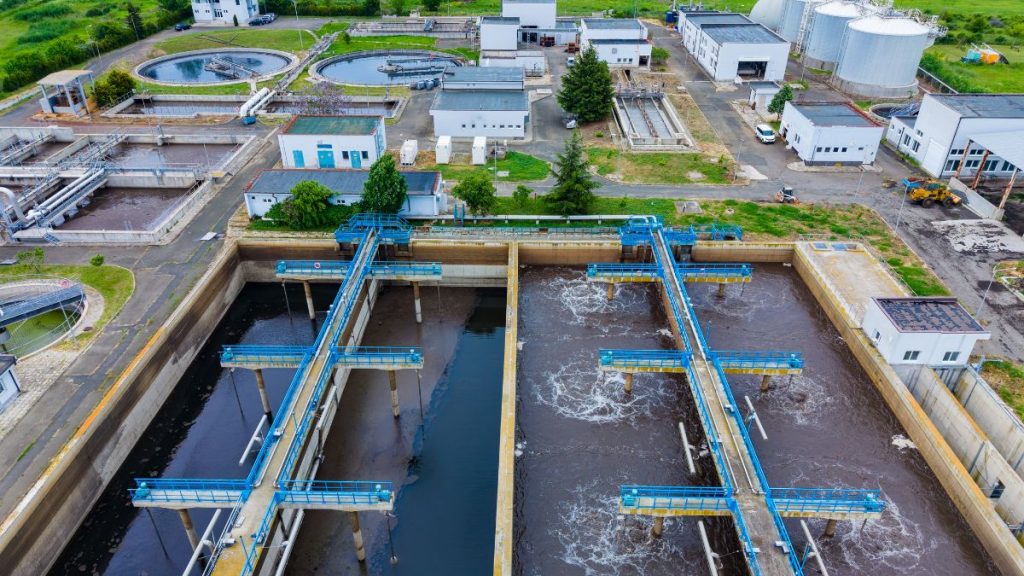
The aeration tank is the heart of a biological wastewater treatment process. In activated sludge systems, microorganisms require oxygen to consume and degrade organic contaminants in wastewater.
Most wastewater treatment plants aim to maintain dissolved oxygen levels between 2.0 and 4.0 mg/L, although the optimal range may vary depending on the process design and wastewater characteristics.
When oxygen supply becomes insufficient, biological activity slows down, leading to operational problems throughout the treatment system.
Read Also: Dissolved Oxygen in Wastewater: Its Role and Importance in Treatment
Signs of Low Dissolved Oxygen in an Aeration Tank
Operators may notice several warning signs when dissolved oxygen levels are too low:
- Increased BOD and COD in treated effluent
- Elevated ammonia concentrations due to incomplete nitrification
- Dark-colored mixed liquor
- Unpleasant odors from the aeration basin
- Sludge bulking or poor settling performance
- Reduced microbial activity
- Increased foam formation in some conditions
If these symptoms appear consistently, dissolved oxygen should be one of the first parameters evaluated.
Common Causes of Low Dissolved Oxygen in Aeration Tank Systems
Understanding the root cause is essential before implementing corrective actions.
1. Insufficient Air Supply
One of the most common causes is inadequate airflow from the aeration system.
This may occur due to:
- Undersized blowers
- Reduced blower performance
- Incorrect airflow settings
- Increased oxygen demand exceeding design capacity
As wastewater loading increases, the oxygen requirement also increases. Existing aeration equipment may struggle to meet the higher demand.
2. Fouled or Damaged Diffusers
Diffusers play a critical role in transferring oxygen into the wastewater.
Over time, diffusers can become clogged by:
- Biological growth
- Mineral scaling
- Suspended solids accumulation
When fouling occurs, oxygen transfer efficiency decreases significantly, resulting in lower dissolved oxygen levels despite normal airflow rates.
3. High Organic Loading
A sudden increase in influent BOD or COD can dramatically increase oxygen consumption.
Common sources include:
- Production upsets
- Process changes
- Industrial discharge fluctuations
- Shock loading events
In these situations, microorganisms consume oxygen faster than the aeration system can replenish it.
4. Excessive Mixed Liquor Concentration
High Mixed Liquor Suspended Solids (MLSS) levels increase oxygen demand throughout the aeration basin.
While maintaining sufficient biomass is important, excessive MLSS can create oxygen limitations and reduce treatment efficiency.
5. Poor Aeration Basin Mixing
Even when adequate air is supplied, poor mixing can create dead zones within the aeration tank.
These areas may experience low oxygen concentrations while other sections maintain acceptable DO levels.
Uneven oxygen distribution often leads to inconsistent biological performance.
Read Also: The Role of Aeration in Water Treatment: Why It Matters and How It Works
6. Equipment Malfunction
Mechanical issues can quickly reduce oxygen availability.
Examples include:
- Blower failures
- Damaged impellers
- Air leakage in piping systems
- Faulty control valves
- Malfunctioning DO sensors
Routine inspection and maintenance are essential for preventing unexpected performance losses.
How to Fix Low Dissolved Oxygen in an Aeration Tank
Once the root cause has been identified, operators can implement targeted corrective actions.
1. Optimize Aeration System Performance
Evaluate blower capacity, airflow distribution, and oxygen transfer efficiency.
Actions may include:
- Increasing airflow rates
- Adjusting blower operating schedules
- Balancing airflow across multiple aeration zones
- Upgrading aeration equipment when necessary
A detailed aeration assessment can often reveal opportunities to improve oxygen transfer without significant capital investment.
2. Clean or Replace Diffusers
Regular diffuser inspection and cleaning help restore oxygen transfer efficiency.
For heavily scaled or damaged diffusers, replacement may be more cost-effective than repeated cleaning.
3. Control Organic Loading
Reducing shock loads can stabilize oxygen demand.
Strategies include:
- Equalization tank utilization
- Process optimization upstream
- Improved wastewater segregation
- Better production scheduling
A more stable influent load allows operators to maintain consistent DO levels.
4. Optimize MLSS Levels
Review sludge age and biomass inventory regularly.
Proper sludge wasting practices help maintain an appropriate balance between treatment capacity and oxygen demand.
5. Improve Mixing Efficiency
Check aeration basin hydraulics and mixing performance.
Additional mixers or aeration adjustments may be required to eliminate dead zones and improve oxygen distribution.
6. Implement Real-Time Monitoring
Continuous dissolved oxygen monitoring provides operators with immediate visibility into process conditions.
Online sensors and automated control systems can adjust aeration rates dynamically, helping maintain optimal oxygen levels while minimizing energy consumption.
Read Also: The Effect of High Dissolved Oxygen in an Aeration Tank
Preventing Future Low DO Problems
A proactive approach is often more effective than corrective action.
Best practices include:
- Routine blower maintenance
- Periodic diffuser inspection
- Continuous DO monitoring
- Regular process performance reviews
- MLSS and sludge age optimization
- Energy-efficient aeration management
By combining process control with preventive maintenance, facilities can reduce operational risks and improve treatment consistency.
How Lautan Air Indonesia Supports Wastewater Treatment Performance
Maintaining proper dissolved oxygen levels requires more than simply adding air. It involves understanding biological treatment processes, equipment performance, wastewater characteristics, and operational objectives.
Lautan Air Indonesia supports industrial and municipal wastewater treatment facilities through integrated water and wastewater management solutions, including:
- Wastewater treatment plant optimization
- Aeration system evaluation
- Process performance assessment
- Online monitoring and automation solutions through PureSense
- Laboratory testing and analysis
- Operation and maintenance support services
- Chemical and process optimization programs
Our team works closely with plant operators to identify performance bottlenecks, improve treatment efficiency, and support regulatory compliance while maintaining operational reliability.
Need Help Optimizing Your Wastewater Treatment Plant?
Lautan Air Indonesia provides comprehensive wastewater treatment solutions, process optimization services, monitoring systems, and technical support to help maintain stable dissolved oxygen levels and reliable treatment performance.
Contact our team today to discuss your wastewater treatment challenges and identify the right solution for your facility.