Understanding the difference between inorganic vs organic coagulant is essential for industries seeking reliable, efficient, and cost-effective clarification processes. Coagulation plays a critical role in removing suspended solids, reducing turbidity, and improving downstream filtration performance.
As industries continue to push for higher process efficiency and sustainability, choosing the right type of coagulant becomes more important than ever. Lautan Air Indonesia supports this need through a complete range of coagulation solutions, backed by decades of experience and nationwide service capabilities.
What Are Inorganic Coagulants?
Inorganic coagulants are mineral-based chemicals commonly used in raw water, process water, and wastewater treatment. They work primarily through charge neutralization, destabilizing colloidal particles quickly to initiate floc formation.
Common Types of Inorganic Coagulants
These are some of the most widely used inorganic coagulants across industrial applications:
1. Aluminium Sulfate (Alum)
A traditional but reliable coagulant widely used for turbidity reduction and general clarification.
2. Ferric Chloride
Highly effective for phosphorus removal, odor control, and the precipitation of heavy metals.
3. Poly Aluminium Chloride (PAC)
A high-performance coagulant known for faster floc formation, lower sludge volume, and stability under varying raw water qualities.
Read Also: The Benefits of PAC in Water Treatment: A Reliable Coagulant for Modern Industries
4. Ferrous Sulfate
Often used in industrial wastewater treatment, especially for color removal and heavy metal precipitation.
5. Calcium Oxide (Quicklime)
Used for pH adjustment, softening processes, and as a coagulant aid in high-alkalinity environments.
6. Calcium Hydroxide (Hydrated Lime)
Common in softening and industrial water conditioning applications.
7. Sodium Aluminate
Used alongside aluminum-based coagulants to enhance coagulation efficiency while also increasing pH.
8. Magnesium Sulfate
Useful as a coagulant aid in softening processes and specific color removal applications.
9. Zinc Sulfate
Applied in specialized wastewater processes where zinc salts improve coagulation or target specific contaminants.
Advantages of Inorganic Coagulants
- Highly effective for high-turbidity water
- Broad pH application range
- Strong performance in fluctuating raw water conditions
- Cost-effective for high-volume treatment
- Excellent for phosphorus and heavy metal removal
What Are Organic Coagulants?
Organic coagulants are polymer-based chemicals designed to enhance particle aggregation and improve floc strength. They are especially useful for low-turbidity water or when precise coagulation control is required.
Common Types of Organic Coagulants
1. PolyDADMAC
A high-charge cationic polymer effective as a primary coagulant for color removal and overall clarification.
2. Polyamine
A versatile polymer widely used in water and wastewater treatment for turbidity control and solid-liquid separation.
3. Polyacrylamide (PAM)
Available in cationic or anionic forms; commonly used as a flocculant to strengthen flocs, improve settling, and enhance dewatering.
Advantages of Organic Coagulants
- Require significantly lower dosing
- Produce less sludge, reducing disposal costs
- Effective for low-turbidity and low-color water
- Generate stronger, larger flocs for improved filtration
- Lower residual chemical impact
How to Choose the Right Coagulant
Selecting between inorganic and organic coagulants depends on technical, operational, and economic factors.
1. Raw Water Characteristics
Understanding turbidity, TSS, pH, color, and organic content is the first step.
- High turbidity: Inorganic coagulants (e.g., PAC, Aluminium Sulfate).
- Low turbidity or color removal: Organic coagulants (PolyDADMAC, Polyamine).
2. Treatment Objectives
Your treatment goals should guide the selection:
- Phosphorus or heavy metals removal: Ferric Chloride or Ferrous Sulfate.
- Sludge reduction: Organic polymers.
- Precise floc control for filtration: Polyacrylamide.
3. Cost Optimization
Evaluate not only chemical costs but also:
- Sludge handling and transport
- Filter backwash frequency
- Equipment wear
- Energy consumption
Organic coagulants may appear costlier per kg but often reduce total operational cost.
4. Environmental Compliance
If your operation prioritizes reduced chemical residuals or sustainable operations, organic coagulants offer clear advantages.
5. Compatibility with Existing Systems
System design—clarifiers, dissolved air flotation (DAF), sand filters, ultrafiltration membranes—affects the ideal coagulant type. Hybrid dosing often produces superior results.
6. Need for On-Site Testing
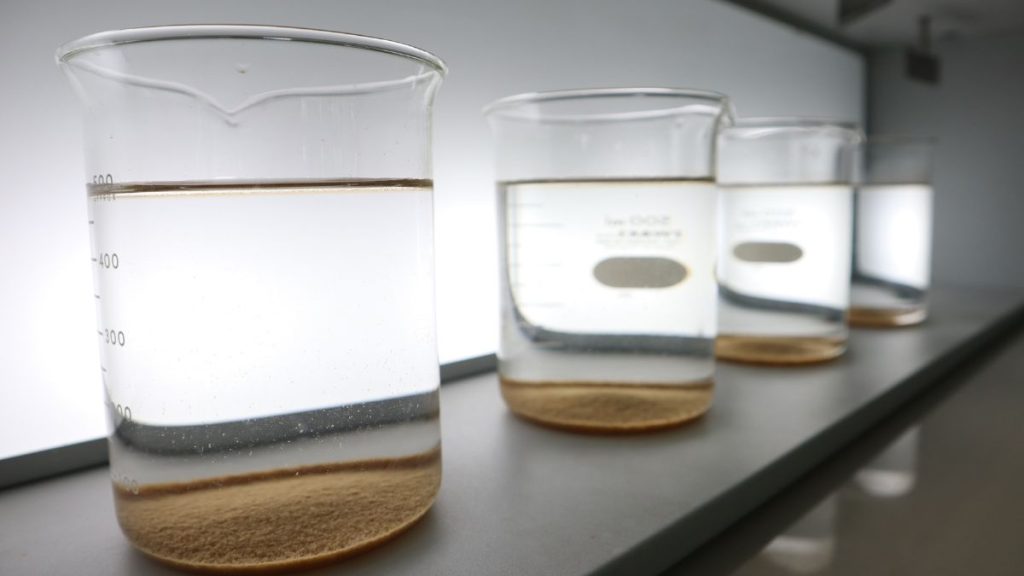
Jar tests remain essential to determine the ideal dosage, coagulant type, and combination.
Read Also: Best Coagulant for Water Treatment: Expert Guidance from Lautan Air Indonesia
Why Choose Lautan Air Indonesia as Your Coagulant Partner?
Lautan Air Indonesia provides a comprehensive range of both inorganic and organic coagulants, ensuring industries receive reliable supply, customized formulations, and expert technical support.
Our Complete Water Treatment Solutions Include:
- Full Range of Water Treatment Chemicals: Coagulants, flocculants, pH adjusters, disinfectants, and specialty treatment chemicals.
- Water Treatment Equipment & Engineering: Clarifier systems, filtration units, membrane systems, dosing pumps, controllers, and automation.
- Operation & Maintenance (O&M) Services: Professional teams to manage daily plant operations, troubleshoot, and optimize performance.
- Laboratory Testing & Jar Test Services: Comprehensive water analysis to determine the most suitable coagulant and dosage.
- On-Site Technical Support & Troubleshooting: Ensuring smooth plant operations and compliance with regulatory standards.
- Nationwide Distribution Network: Supported by multiple chemical manufacturing plants and logistics hubs across Indonesia.
With more than 40 years of experience, Lautan Air Indonesia is trusted by industries nationwide—from manufacturing and food & beverage to palm oil, mining, and municipal utilities.
Optimize Your Coagulation Process with Expert Support
Whether you are comparing inorganic vs organic coagulant, evaluating sludge reduction strategies, or improving clarification efficiency, Lautan Air Indonesia is ready to assist.
Contact our team today for a consultation, product recommendation, or on-site jar test tailored to your raw water conditions.
Let our expertise support your operations with reliable performance and long-term efficiency.