
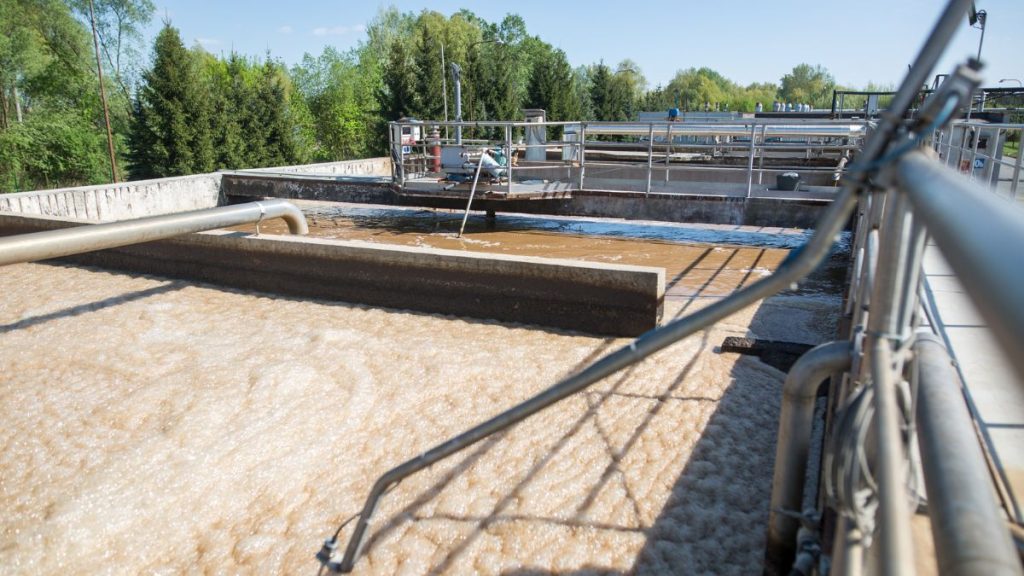
A decoloring agent plays an important role in textile wastewater treatment by helping remove residual dyes and reduce color intensity in industrial effluent. Textile manufacturing processes, particularly dyeing, printing, and fabric finishing, generate wastewater containing synthetic dyes, suspended solids, and organic compounds. Without proper treatment, these pollutants can affect receiving water bodies and complicate wastewater discharge compliance.
Decoloring agents are commonly used in chemical treatment processes, particularly coagulation and flocculation. By destabilizing and separating dye compounds from wastewater, they help improve water quality and support downstream treatment performance.
What Is a Decoloring Agent?
A decoloring agent is a chemical treatment product designed to reduce or remove color from wastewater, particularly effluent containing synthetic dyes from industrial processes.
In textile wastewater treatment, these agents commonly work through coagulation and flocculation. Depending on their chemical composition, they remove color through several mechanisms:
- Charge neutralization: Cationic decoloring agents neutralize the electrical charges of dye particles, allowing them to aggregate.
- Adsorption: Certain compounds attract and bind dye molecules, helping separate them from wastewater.
- Floc formation: Polymeric agents connect smaller particles and destabilized dye compounds, forming larger flocs that can settle more easily.
Common examples include dicyandiamide-formaldehyde-based and polyamine-based coagulants. Their effectiveness depends on wastewater characteristics, dye composition, pH, and chemical dosage.
Why Is a Decoloring Agent Important?
Color removal is an important part of textile wastewater treatment because visible color can remain in industrial effluent even after conventional biological treatment.
1. Reducing Color in Industrial Effluent
Synthetic dyes can have complex chemical structures that make them resistant to conventional biological degradation. Reactive dyes, for example, can be particularly challenging to remove.
A suitable decoloring agent helps separate these compounds from wastewater, reducing color intensity before discharge or further treatment.
A 2021 study published in Desalination and Water Treatment reported up to 98.8% color removal using a modified dicyandiamide-formaldehyde polymeric flocculant under optimized experimental conditions.
2. Improving Downstream Treatment Performance
High concentrations of residual dyes and suspended particles can increase the treatment burden on wastewater treatment plants.
When properly applied, decoloring agents help reduce color and associated particulate pollutants before subsequent treatment stages. This can improve overall process performance and support more stable operations.
However, color removal does not necessarily eliminate dissolved organic pollutants. Additional treatment may still be needed to reduce COD and other contaminants.
3. Supporting Wastewater Discharge Compliance
Highly colored effluent can interfere with light penetration in aquatic environments, potentially affecting aquatic ecosystems.
Applying an appropriate decoloring process helps textile manufacturers manage wastewater color as part of their environmental management strategy.
Nevertheless, decoloring alone does not guarantee discharge compliance. Other parameters, including COD, BOD, TSS, and pH, must also meet applicable requirements.
Read Also: Textile Wastewater Treatment: Practical Solutions for Industrial Compliance and Efficiency
How Decoloring Agents Are Used in Textile Wastewater Treatment
Effective application requires appropriate chemical selection, dosage control, and process monitoring.
1. Wastewater Characterization
Before selecting a decoloring agent, wastewater should be evaluated based on color intensity, pH, COD, and TSS. These parameters help determine the appropriate chemical and operating conditions.
2. Chemical Dosing and Rapid Mixing
The selected decoloring agent is introduced into the wastewater and distributed through rapid mixing. This encourages interactions between the chemical and dye compounds.
Dosage must be carefully controlled. Insufficient dosing may result in incomplete color removal, while excessive dosing can increase chemical consumption and sludge production.
3. Flocculation and Sedimentation
Following rapid mixing, slower agitation encourages the formation of larger flocs containing aggregated dye compounds and suspended contaminants.
These flocs can then be separated through sedimentation. The resulting sludge requires appropriate handling and disposal, while the treated water proceeds to subsequent treatment stages.
4. Monitoring Treatment Performance
Regular monitoring helps maintain consistent results. Important indicators include color removal efficiency, COD reduction, sludge generation, pH, and chemical consumption.
A 2018 study in Desalination and Water Treatment found that combining pre-ozonation with polymer coagulation reduced polymer requirements by 75% under the tested conditions, demonstrating the potential benefits of combining treatment processes.
Read Also: Pulp and Paper Wastewater Treatment: Challenges and Practical Approaches
Improving Textile Wastewater Treatment with the Right Chemical Approach
Selecting a suitable decoloring agent is only one part of effective textile wastewater treatment. Consistent performance also depends on chemical selection, dosing control, process configuration, and wastewater characteristics.
Lautan Air Indonesia (LAI) provides integrated water and wastewater treatment solutions, supported by experience in water treatment chemicals, engineering, and operational services.
For industries experiencing challenges with colored wastewater, LAI can support the evaluation of suitable chemical treatment approaches based on wastewater characteristics and treatment objectives.
This may include chemical selection, treatment process evaluation, dosing optimization, and operational support through engineering and operation and maintenance (O&M) services.
By considering chemical treatment as part of the overall wastewater management process, LAI helps industrial facilities work toward more effective and consistent treatment outcomes.
Conclusion
Decoloring agents are important in textile wastewater treatment because they help remove residual dyes and reduce color intensity through coagulation and flocculation.
However, effective color removal requires more than chemical addition. Wastewater characterization, appropriate chemical selection, dosage optimization, and process monitoring all contribute to treatment performance.
Looking to improve your textile wastewater treatment process? Contact Lautan Air Indonesia to explore water and wastewater treatment solutions tailored to your industrial requirements.
Reference
Gao, L., Lv, X., Zhang, C., Song, H., & Gao, X. (2021). Removal of color from simulated textile wastewater by a modified dicyandiamide-formaldehyde polymeric flocculant. Desalination and Water Treatment, 234, 227–233.
Aydin, M., Yuzer, B., Ongen, A., Okten, H., & Selcuk, H. (2018). Comparison of ozonation and coagulation decolorization methods in real textile wastewater. Desalination and Water Treatment, 103, 55–64. https://doi.org/10.5004/dwt.2018.21880