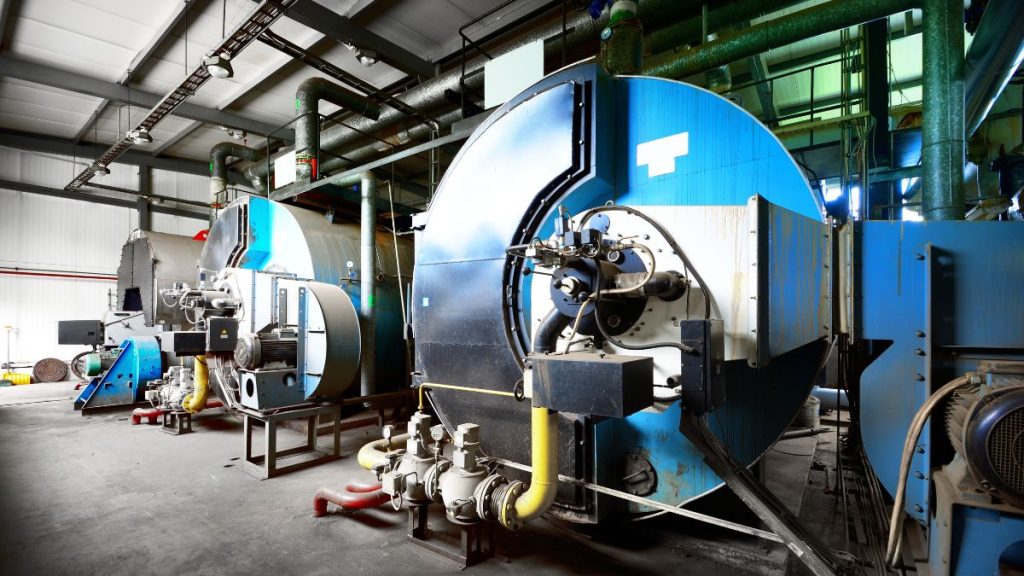
Corrosion in boiler systems is one of the most common causes of efficiency loss, equipment damage, and unexpected downtime in industrial operations. If left untreated, corrosion can weaken boiler components, reduce heat transfer efficiency, increase maintenance costs, and shorten equipment lifespan.
Many industries focus heavily on scale prevention, but corrosion often develops quietly inside the system until serious operational problems appear. Understanding the causes of corrosion in boiler systems is essential for maintaining stable boiler performance and reducing long-term operational risks.
What Is Corrosion in Boiler Systems?
Corrosion in boiler systems refers to the gradual deterioration of metal surfaces caused by chemical reactions between water, oxygen, dissolved gases, and metal components inside the boiler.
Boiler corrosion can occur in several areas, including:
- Boiler feed water lines
- Economizers
- Boiler tubes
- Condensate return systems
- Steam distribution lines
Unlike scaling, which forms deposits on surfaces, corrosion slowly removes metal from the system. Over time, this can lead to tube leaks, thinning metal walls, reduced pressure integrity, and even complete equipment failure.
Main Causes of Corrosion in Boiler Systems
Understanding the root cause is important because different corrosion problems require different treatment approaches.
1. Dissolved Oxygen in Boiler Feed Water
One of the most common causes of corrosion in boiler systems is dissolved oxygen. When oxygen enters the boiler system, it reacts with metal surfaces and forms rust.
This type of corrosion is especially aggressive at high temperatures and can create localized pitting inside boiler tubes. Pitting corrosion is dangerous because small holes can quickly develop into tube failures.
Common sources of oxygen intrusion include:
- Poor deaerator performance
- Air leakage in condensate systems
- Inadequate chemical treatment
- Improper feed water handling
Read Also: Protecting Boilers by Removing Oxygen from Feed Water
2. Low pH Conditions
Acidic water conditions can accelerate metal deterioration inside the boiler system. Low pH may result from:
- Excess carbon dioxide in condensate lines
- Improper chemical dosing
- Contaminated makeup water
- Poor alkalinity control
When pH is not properly maintained, metal surfaces become more vulnerable to corrosion reactions.
3. Carbon Dioxide Corrosion
Carbon dioxide can dissolve into condensate water and form carbonic acid. This weak acid attacks condensate piping and return lines, especially in steam systems with poor condensate treatment.
Industries often notice this problem when condensate lines begin showing signs of thinning, rust colored water, or recurring leaks.
4. Poor Water Treatment Control
Inconsistent boiler water treatment programs can increase corrosion risks significantly. Problems may include:
- Incorrect chemical dosage
- Inadequate monitoring
- Unstable feed water quality
- Lack of regular testing
Even a well-designed boiler system can experience corrosion if operational control is not maintained properly.
5. High Chloride or Contaminant Levels
Contaminants such as chlorides and dissolved salts can damage protective oxide layers on metal surfaces. High contamination levels often increase the risk of localized corrosion and stress-related cracking.
This issue commonly occurs when feed water quality fluctuates or when blowdown control is not optimized.
Operational Impact of Corrosion in Boiler Systems
Corrosion is not only a maintenance issue. It directly affects operational reliability and energy efficiency.
Some common impacts include:
- Reduced heat transfer performance
- Higher fuel consumption
- Frequent boiler shutdowns
- Tube leakage and failure
- Increased maintenance costs
- Shorter equipment lifespan
- Safety risks from pressure system damage
In severe cases, corrosion-related failures can force industries to stop production unexpectedly.
Read Also: Corrosion Prevention Boiler: Protect Your System and Improve Efficiency
How Industries Can Reduce Corrosion Risk
Managing corrosion requires a combination of proper water treatment, monitoring, and operational control.
Some important practices include:
1. Proper Feed Water Treatment
Removing dissolved oxygen, controlling hardness, and stabilizing water chemistry help reduce corrosion potential inside the boiler system.
2. Consistent Chemical Dosing
Boiler treatment chemicals such as oxygen scavengers, alkalinity boosters, and condensate treatment chemicals must be applied consistently and according to system conditions.
3. Routine Water Analysis
Regular monitoring helps operators identify corrosion risks before serious damage occurs. Parameters commonly monitored include:
- Dissolved oxygen
- pH
- Conductivity
- Alkalinity
- Iron levels
- Chloride concentration
4. Blowdown Optimization
Proper blowdown control helps reduce contaminant accumulation that may accelerate corrosion inside the boiler.
5. System Inspection and Monitoring
Routine inspections can detect early warning signs such as:
- Rust colored condensate
- Tube thinning
- Pitting marks
- Increased iron content in water samples
Early detection allows industries to take corrective action before major failures occur.
Supporting Reliable Boiler Operation Through Better Water Treatment
Effective boiler operation depends not only on equipment design, but also on maintaining stable water quality and treatment performance. Many industries require integrated support that combines chemical treatment, monitoring, and operational evaluation to reduce corrosion risks over time.
As part of industrial water treatment solutions, Lautan Air Indonesia provides support for boiler water management through:
- Boiler water treatment chemicals
- Feed water quality evaluation
- Water testing and monitoring
- Chemical dosing support
- Operational consultation for boiler systems
With proper monitoring and treatment strategies, industries can improve boiler reliability, reduce maintenance frequency, and maintain more stable operational performance.
Want to improve boiler reliability and reduce corrosion-related downtime? Explore industrial boiler water treatment solutions with Lautan Air Indonesia to support more stable and efficient operations.