
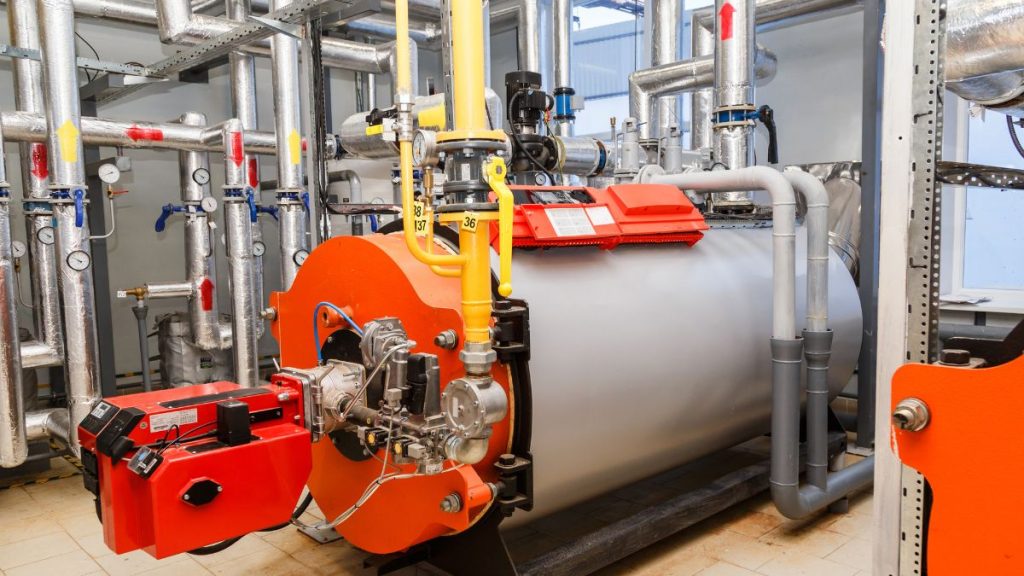
Boiler chemical programs are essential for maintaining boiler efficiency, preventing system damage, and supporting stable industrial operations. Without proper boiler treatment, issues such as scale buildup, corrosion, carryover, and reduced heat transfer efficiency can quickly impact production performance and operating costs.
Selecting the right boiler chemical solution helps industries protect boiler equipment, reduce downtime, and extend system lifespan while maintaining consistent steam quality.
Why Boiler Chemical Treatment Matters
Boilers operate under high temperature and pressure conditions. Even small impurities in feed water can create serious operational problems over time. Minerals, dissolved oxygen, silica, and suspended solids can damage internal boiler surfaces if not properly controlled.
An effective boiler chemical treatment program helps:
- Prevent scale formation
- Minimize corrosion inside the boiler system
- Improve heat transfer efficiency
- Reduce fuel consumption
- Maintain steam quality
- Extend boiler equipment lifespan
- Reduce unplanned shutdowns and maintenance costs
Industries such as food and beverage, palm oil, textile, chemical manufacturing, power generation, and pharmaceuticals commonly rely on boiler chemical treatment to maintain operational reliability.
Type of Boiler Chemical
Different boiler systems require different treatment approaches depending on water quality, operating pressure, and production requirements. Below are some common types of boiler chemical used in industrial boiler treatment.
1. Oxygen Scavenger
Dissolved oxygen is one of the primary causes of corrosion in boiler systems. Oxygen scavengers are used to remove oxygen from feed water before it damages boiler tubes and internal components.
Common oxygen scavenger chemicals include:
- Sodium sulfite
- Hydrazine alternatives
- DEHA
- Carbohydrazide
These chemicals help reduce pitting corrosion and improve boiler reliability.
Read Also: Oxygen Scavengers: Functions, Types, and Applications in Water Treatment
2. Scale Inhibitor
Scale forms when minerals such as calcium and magnesium precipitate under high temperatures. Scale buildup reduces heat transfer efficiency and increases fuel consumption.
Scale inhibitors help prevent mineral deposits from attaching to boiler surfaces.
Common scale inhibitors include:
- Phosphate-based treatment
- Polymer dispersants
- Chelating agents
3. Boiler Alkalinity Builder
Maintaining proper alkalinity is important for controlling corrosion and supporting stable boiler water chemistry.
Alkalinity builders help maintain optimal pH conditions inside the boiler system.
Typical chemicals include:
- Caustic soda
- Sodium carbonate
4. Sludge Conditioner
Suspended solids and precipitated minerals can accumulate as sludge inside the boiler. Sludge conditioners help keep particles dispersed so they can be removed through blowdown processes.
This helps prevent deposit formation and improves boiler cleanliness.
5. Condensate Treatment Chemical
Condensate systems are also vulnerable to corrosion caused by carbon dioxide and low pH conditions. Condensate treatment chemicals help neutralize acidic conditions and protect return lines.
Common condensate treatment solutions include:
- Neutralizing amines
- Filming amines
Read Also: The Importance of Condensate Treatment for Reliable Boiler Operations
Benefits of Using Boiler Chemical Treatment
Implementing the correct boiler chemical program provides both operational and financial advantages.
1. Improved Boiler Efficiency
Clean boiler surfaces allow better heat transfer, helping the boiler operate more efficiently with lower fuel consumption.
2. Lower Maintenance Cost
Proper chemical treatment minimizes scaling and corrosion, reducing the need for costly repairs and tube replacements.
3. Extended Equipment Lifespan
Protecting internal boiler components from chemical and mineral damage helps extend the lifespan of the entire boiler system.
4. Stable Steam Quality
Industries that depend on consistent steam production benefit from better process stability and improved product quality.
5. Reduced Downtime
Well-maintained boiler systems experience fewer operational interruptions and emergency shutdowns.
Read Also: Boiler Water Treatment: Why It’s Important and Key Steps to Process It
Best Chemical for Boiler Treatment
There is no single best chemical for boiler treatment because every boiler system has different operational conditions and water characteristics.
The best boiler chemical solution depends on factors such as:
- Feed water quality
- Boiler pressure
- Steam usage
- Condensate return quality
- Industry requirements
- Existing treatment system
An effective boiler treatment program typically combines several chemicals working together to control scaling, corrosion, and sludge formation simultaneously.
Before selecting boiler chemicals, industries should conduct proper water analysis and system evaluation to ensure the treatment program matches actual operating conditions.
Supporting Reliable Boiler Performance with the Right Treatment Program
Effective boiler treatment is not only about supplying chemicals. Long-term boiler reliability requires proper monitoring, dosing control, water analysis, and operational support.
As an integrated water treatment solutions provider, Lautan Air Indonesia supports industrial customers with boiler water treatment solutions designed for operational efficiency and equipment protection.
LAI provides:
- Boiler chemical solutions
- Water analysis support
- Technical consultation
- Dosing and monitoring support
- Customized treatment programs
- Operational assistance for industrial water systems
With experience across various industrial sectors, LAI helps customers optimize boiler performance while reducing operational risks and maintenance challenges.
If your facility is facing boiler scaling, corrosion, or efficiency issues, working with an experienced water treatment partner can help ensure the right treatment approach for your operational needs.
Consult with Lautan Air Indonesia to find the right boiler chemical solution and treatment program for your industrial operation.