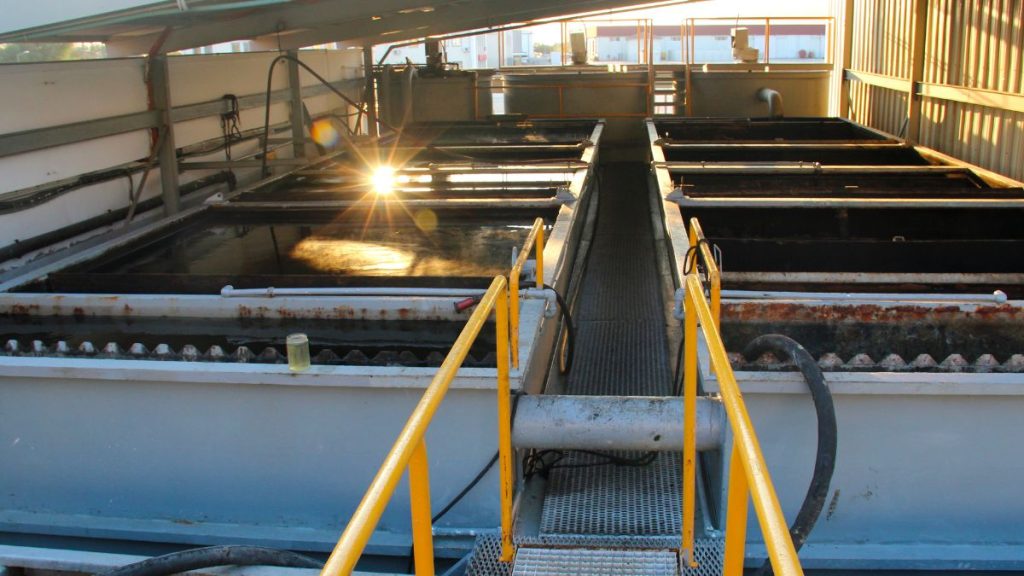
Automotive wastewater treatment plays a critical role in maintaining production efficiency, protecting the environment, and meeting increasingly stringent wastewater discharge regulations. Every stage of automotive manufacturing, from metal processing and painting to washing and assembly, generates wastewater with different contaminants that require specialized treatment.
Without an effective treatment system, manufacturers may face regulatory non-compliance, equipment issues, increased operating costs, and environmental risks. Understanding the challenges and implementing the right treatment strategy is essential for sustainable operations.
Key Challenges in Automotive Wastewater Treatment
Unlike domestic wastewater, automotive wastewater contains a complex mixture of pollutants that vary depending on the manufacturing process.
1. Oil and Grease Contamination
Machining, stamping, and maintenance activities introduce lubricants, hydraulic oils, and cutting fluids into wastewater. If not removed effectively, oil can interfere with downstream treatment processes and exceed discharge limits.
2. Heavy Metals
Processes such as metal finishing, coating, and surface treatment may contribute heavy metals including zinc, chromium, nickel, copper, and iron. These contaminants require careful treatment before wastewater can be safely discharged.
3. Paint Residues and Suspended Solids
Painting operations generate pigments, resins, overspray, and suspended solids that increase turbidity and chemical oxygen demand (COD). These pollutants can reduce treatment efficiency if not properly managed.
4. High COD and Organic Load
Cleaning chemicals, degreasers, detergents, and process additives contribute to elevated COD levels. High organic loading often requires multiple treatment stages to achieve regulatory compliance.
5. Variable Wastewater Characteristics
Wastewater quality can fluctuate significantly depending on production schedules, product types, and cleaning cycles. Treatment systems must be designed to accommodate these variations while maintaining stable performance.
Read Also: pH Control in Wastewater Treatment: Why It Matters and How to Do It Properly
How to Solve Automotive Wastewater Treatment Challenges
A successful automotive wastewater treatment system combines appropriate technologies with proper operational control. Rather than relying on a single process, manufacturers often benefit from an integrated treatment approach.
1. Perform Comprehensive Water Analysis
The first step is understanding the characteristics of the wastewater. Laboratory analysis helps identify contaminants, determine pollutant concentrations, and establish treatment objectives.
Without accurate data, treatment systems may be oversized, undersized, or ineffective for the actual wastewater conditions.
2. Apply Effective Physical Separation
Oil separators, dissolved air flotation (DAF), and sedimentation units can remove free oil, floating contaminants, and suspended solids before they reach downstream processes.
Reducing the pollutant load early improves the efficiency of subsequent treatment stages.
3. Optimize Chemical Treatment
Coagulation and flocculation remain essential processes for removing suspended solids, emulsified oil, and certain heavy metals.
Selecting the appropriate coagulant and treatment chemicals based on wastewater characteristics can significantly improve clarification performance while reducing chemical consumption.
4. Incorporate Biological Treatment When Required
For wastewater with elevated organic content, biological treatment helps reduce COD and biodegradable pollutants.
Aerobic or anaerobic systems may be selected depending on wastewater composition, treatment objectives, and available space.
5. Use Advanced Polishing Technologies
When higher water quality is required for discharge or reuse, advanced treatment technologies such as multimedia filtration, activated carbon filtration, ultrafiltration, or reverse osmosis can further remove remaining contaminants.
These technologies also support water recycling initiatives that help reduce freshwater consumption.
6. Monitor System Performance Continuously
Routine monitoring of key parameters such as pH, COD, suspended solids, oil and grease, flow rate, and heavy metal concentrations enables operators to detect process deviations early.
Consistent monitoring supports stable treatment performance while minimizing operational disruptions.
Read Also: SPARING Parameters: Key Wastewater Parameters That Need Real-Time Monitoring
Building a More Reliable Wastewater Treatment Strategy
Successful automotive wastewater treatment is not only about selecting equipment. It also depends on proper system design, chemical optimization, regular monitoring, and operational expertise.
Each automotive facility has unique wastewater characteristics based on its production processes, raw materials, and regulatory requirements. A tailored treatment strategy often delivers better long-term performance than applying a standard solution across different plants.
Working with experienced water treatment specialists can help manufacturers optimize operating costs, improve treatment efficiency, and prepare for future environmental requirements.
Supporting Automotive Manufacturers with Practical Water Solutions
Every automotive facility faces different wastewater challenges, making it important to develop treatment strategies based on actual operating conditions rather than assumptions.
Lautan Air Indonesia (LAI) supports industrial customers through integrated water treatment solutions, including water quality analysis, treatment chemical selection, process optimization, filtration systems, wastewater treatment equipment, laboratory support, and operation & maintenance services.
By combining technical expertise with application-focused solutions, LAI helps manufacturers improve treatment performance while supporting regulatory compliance and operational reliability.
Ready to Improve Your Automotive Wastewater Treatment?
Whether you are planning a new treatment system, upgrading an existing facility, or looking to optimize operational performance, Lautan Air Indonesia can help evaluate your wastewater challenges and recommend practical, application-based solutions.
Contact LAI today to discuss your automotive wastewater treatment needs and discover the most effective approach for your facility.