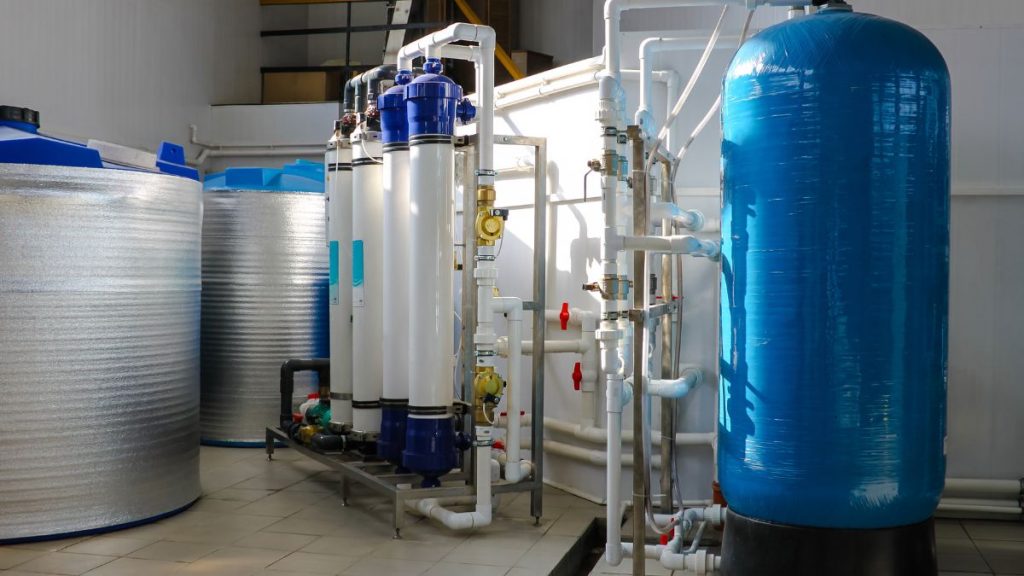
Membrane systems such as Reverse Osmosis (RO), Ultrafiltration (UF), and Nanofiltration (NF) are widely used in industrial water treatment because they can produce high-quality water with consistent performance. However, one of the biggest operational challenges faced by industries is the type of membrane fouling that occurs during operation. Fouling can reduce system efficiency, increase operating costs, and shorten membrane lifespan if not managed properly.
Understanding the different types of membrane fouling is essential for maintaining stable system performance and avoiding unplanned downtime. With the right treatment strategy, industries can minimize fouling risks and improve overall water treatment reliability.
What Is Membrane Fouling?
Membrane fouling is the accumulation of unwanted materials on the membrane surface or inside membrane pores during the filtration process. Over time, these deposits block water flow, increase pressure requirements, and reduce permeate quality.
Common operational impacts of membrane fouling include:
- Reduced water production capacity
- Increased differential pressure
- Higher energy consumption
- Frequent chemical cleaning requirements
- Shorter membrane service life
- Increased operational and maintenance costs
Different water sources and operating conditions can lead to different fouling mechanisms. That is why identifying the correct type of membrane fouling is critical for selecting the appropriate treatment approach.
Type of Membrane Fouling
1. Particulate Fouling
Particulate fouling occurs when suspended solids and fine particles accumulate on the membrane surface. These particles may come from:
- Sand
- Silt
- Clay
- Rust
- Colloidal particles
- Organic debris
This type of fouling is common when raw water pretreatment is insufficient or unstable.
Signs of Particulate Fouling
- Rapid pressure increase
- Declining permeate flow
- Visible turbidity in feed water
- Frequent filter replacement
Prevention Methods
To reduce particulate fouling, industries commonly apply:
- Multimedia filtration
- Cartridge filtration
- Coagulation and flocculation
- Clarification systems
- Proper SDI control before RO systems
Good pretreatment is one of the most effective ways to protect membrane systems from premature fouling.
Read Also: Effectively Overcoming Membrane Fouling in Ultrafiltration Systems
2. Organic Fouling
Organic fouling is caused by the accumulation of organic compounds on the membrane surface. These compounds may include:
- Natural organic matter (NOM)
- Oils and grease
- Humic substances
- Industrial organic contaminants
Organic fouling often forms sticky layers that are difficult to remove if left untreated.
Signs of Organic Fouling
- Gradual flux decline
- Increased cleaning frequency
- Membrane surface discoloration
- Reduced cleaning effectiveness over time
Prevention Methods
Industries can minimize organic fouling by using:
- Activated carbon filtration
- Proper chemical pretreatment
- Oil and grease separation systems
- Optimized cleaning procedures
- Feed water monitoring programs
Selecting the correct cleaning chemicals is also important to avoid damaging the membrane material.
3. Biological Fouling (Biofouling)
Biofouling occurs when microorganisms grow and form biofilms on the membrane surface. Bacteria, algae, and fungi can multiply rapidly in systems with high nutrient content.
Biofouling is considered one of the most difficult fouling types to control because microorganisms can continuously reproduce inside the system.
Signs of Biofouling
- Sudden pressure increase
- Slime formation in pipelines or membranes
- Bad odor in the system
- Rapid performance deterioration after cleaning
Prevention Methods
Effective biofouling control usually involves:
- Disinfection systems
- Biocide dosing
- Proper sanitation procedures
- Feed water sterilization
- Routine membrane cleaning programs
Continuous monitoring is essential because biofouling can develop even in systems with relatively clean water sources.
Read Also: Biofouling in Industrial Water Systems: Early Signs and Prevention
4. Scaling Fouling
Scaling occurs when dissolved minerals precipitate and form hard deposits on the membrane surface. This is one of the most common types of membrane fouling in RO systems.
Common scaling compounds include:
- Calcium carbonate
- Calcium sulfate
- Barium sulfate
- Silica
- Magnesium hydroxide
Scaling becomes more severe when recovery rates are too high or feed water chemistry is not properly controlled.
Signs of Scaling
- Increased operating pressure
- Reduced permeate flow
- Hard deposits on membrane surfaces
- Reduced salt rejection performance
Prevention Methods
Scaling can be minimized through:
- Antiscalant dosing
- Feed water softening
- pH adjustment
- Proper recovery rate design
- Regular water chemistry analysis
A well designed pretreatment program is essential to maintain long term membrane performance.
Why Understanding the Type of Membrane Fouling Matters
Each type of membrane fouling requires a different prevention and cleaning strategy. Applying the wrong treatment method may not only fail to solve the problem but can also damage the membrane system.
For example:
- Biofouling requires sanitation and microbial control
- Scaling requires chemical control and water chemistry optimization
- Organic fouling requires specialized cleaning agents
- Particulate fouling requires stronger pretreatment systems
By identifying the root cause early, industries can reduce maintenance costs and improve operational efficiency.
Improving Membrane Performance Through the Right Approach
As industrial water treatment systems become more complex, membrane fouling management requires not only chemical treatment but also integrated operational support. Lautan Air Indonesia provides water treatment solutions designed to help industries improve membrane reliability, reduce fouling risks, and maintain stable system performance.
LAI supports industries through:
- Feed water analysis and system evaluation
- Pretreatment optimization
- Antiscalant and specialty chemical solutions
- Cleaning chemical recommendations
- Membrane performance monitoring
- Operation and maintenance support
- Customized water treatment system solutions
With operational experience across various industries, LAI helps customers identify the most effective approach based on their water characteristics and operational conditions.
Looking to reduce membrane fouling and improve water treatment performance? Contact Lautan Air Indonesia to discuss the right solution for your membrane system.