
In any Reverse Osmosis (RO) system, pretreatment plays a critical role in ensuring efficiency, reliability, and long-term durability. Without proper pretreatment, contaminants and impurities in raw water can quickly cause membrane fouling, scaling, and corrosion, leading to reduced water quality, higher maintenance costs, and shorter system lifespan.
Pretreatment is the first and most important step before water enters the RO unit. It involves removing suspended solids, colloidal particles, organics, and other impurities that can damage or clog the RO membranes. By protecting these sensitive components, a well-designed pretreatment process ensures that the RO system operates under optimal conditions, maximizing both performance and investment.
The Risks of Skipping Proper Pretreatment
RO membranes are highly efficient at removing dissolved solids, but they are also delicate and prone to damage if feed water contains high levels of contaminants. Without adequate pretreatment, several problems can occur:
1. Membrane Fouling
Accumulation of suspended solids, organic matter, and microorganisms can form a dense layer on the membrane surface, restricting water flow and decreasing permeate quality.
Read Also: Effectively Overcoming Membrane Fouling in Ultrafiltration Systems
2. Scaling
Minerals such as calcium, magnesium, and silica can precipitate and form hard deposits, increasing operating pressure and reducing efficiency.
3. Chemical Degradation
Improper use of disinfectants or chemicals in untreated feed water may cause oxidation or deterioration of the membrane surface.
4. Biological Growth
Microbial contamination can lead to biofouling, which not only affects system performance but also raises hygiene concerns in water treatment processes.
These issues directly increase energy consumption, maintenance frequency, and replacement costs, all of which can be prevented through a robust pretreatment system.
Key Stages of Pretreatment in RO Systems
An effective pretreatment process involves several stages, each designed to remove specific types of contaminants. The configuration may vary depending on the quality of the raw water source, but generally includes the following steps.
1. Coagulation and Flocculation
Raw water often contains fine particles that are too small to settle naturally. Coagulants such as Poly-Aluminium Chloride (PAC) or Aluminium Sulfate help neutralize these particles, while flocculants like anionic or cationic polymers encourage them to clump together into larger, heavier flocs. This process improves the efficiency of subsequent sedimentation or filtration steps.
Read Also: PT Lautan Air Indonesia: Leading PAC manufacturer Indonesia
2. Sedimentation or Clarification
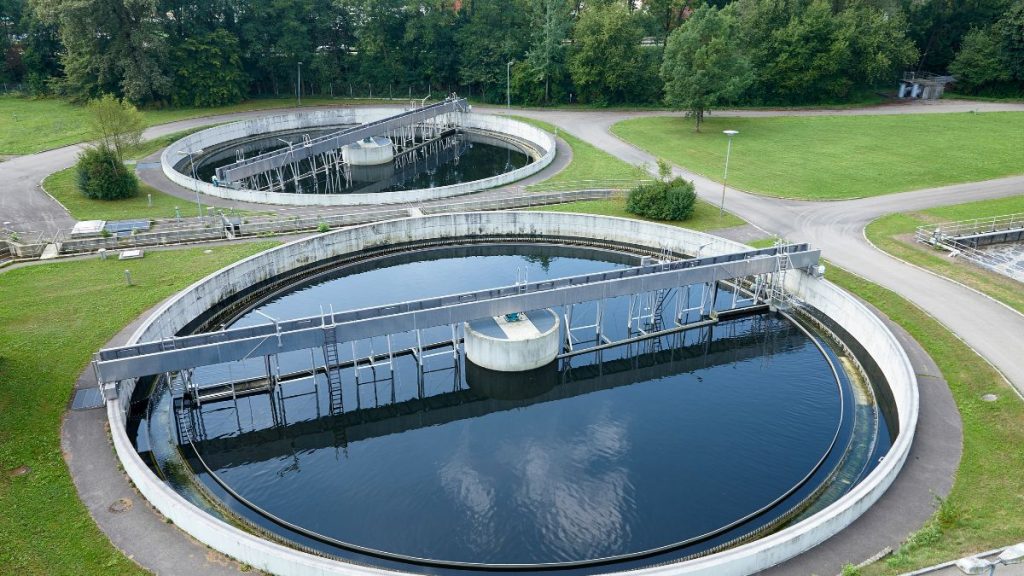
After coagulation and flocculation, the flocs settle in a clarifier, allowing cleaner water to move forward. This process effectively reduces turbidity and suspended solids, making the water safer for membrane filtration.
3. Deep Filtration
Deep filtration involves passing the clarified water through filter media such as silica sand, anthracite, activated carbon, or catalytic media. Each layer removes different types of impurities, from sediment and iron to organic compounds and residual chlorine. This stage ensures the water is physically and chemically stable before entering the RO unit.
4. Cartridge or Micron Filtration
To remove any remaining fine particles, water is filtered through cartridge filters with pore sizes typically ranging from 1 to 5 microns. This step acts as the final line of defense against particulates that could damage RO membranes.
5. Chemical Dosing and Adjustment
Pretreatment also includes chemical conditioning to control scaling, corrosion, and microbial growth. Common chemicals include:
- Antiscalants to prevent mineral buildup
- Sodium bisulfite to neutralize chlorine
- pH adjusters such as acids or alkalis to maintain optimal feed conditions
By carefully balancing these parameters, pretreatment ensures that the feed water entering the RO system meets the required specifications.
Benefits of Proper Pretreatment
A comprehensive pretreatment system provides several long-term advantages:
- Extended Membrane Life: Preventing fouling and scaling significantly reduces the frequency of membrane cleaning and replacement.
- Stable Performance: Consistent feed water quality allows the RO system to operate at optimal pressure and recovery rates.
- Reduced Operating Costs: Less downtime, lower chemical use, and decreased maintenance requirements translate to substantial cost savings.
- Improved Water Quality: Pretreatment ensures that the RO membranes can focus solely on removing dissolved solids, resulting in consistently high-quality permeate water.
Ultimately, pretreatment protects both the equipment and the investment, ensuring continuous and efficient water production.
Partnering with Lautan Air Indonesia for a Reliable Pretreatment System
With more than 40 years of experience in water treatment, Lautan Air Indonesia (LAI) understands the challenges industries face in maintaining efficient RO operations. LAI offers complete pretreatment solutions tailored to each client’s water source, process requirements, and quality goals. Our services include:
- Water Analysis and Consultation: Identifying key contaminants and designing the appropriate pretreatment process for your system.
- Chemical Supply: A complete range of coagulants, flocculants, antiscalants, and disinfectants, all produced under strict quality control standards.
- Filtration Media and Equipment: High-quality filter media such as silica sand, anthracite, activated carbon, and catalytic media, along with reliable filtration systems and cartridge units.
- Automation and Monitoring: Smart control systems and online monitoring to ensure continuous performance tracking and early detection of potential issues.
- Operation and Maintenance Services: Professional support to ensure pretreatment systems and RO units operate efficiently over time.
By integrating these services, Lautan Air Indonesia helps industries achieve stable operation, reduced downtime, and consistent water quality across various applications, including manufacturing, power generation, and food and beverage production.
Ensure your RO system operates at its best. Contact Lautan Air Indonesia today to discover how our pretreatment expertise can enhance your water treatment performance.