
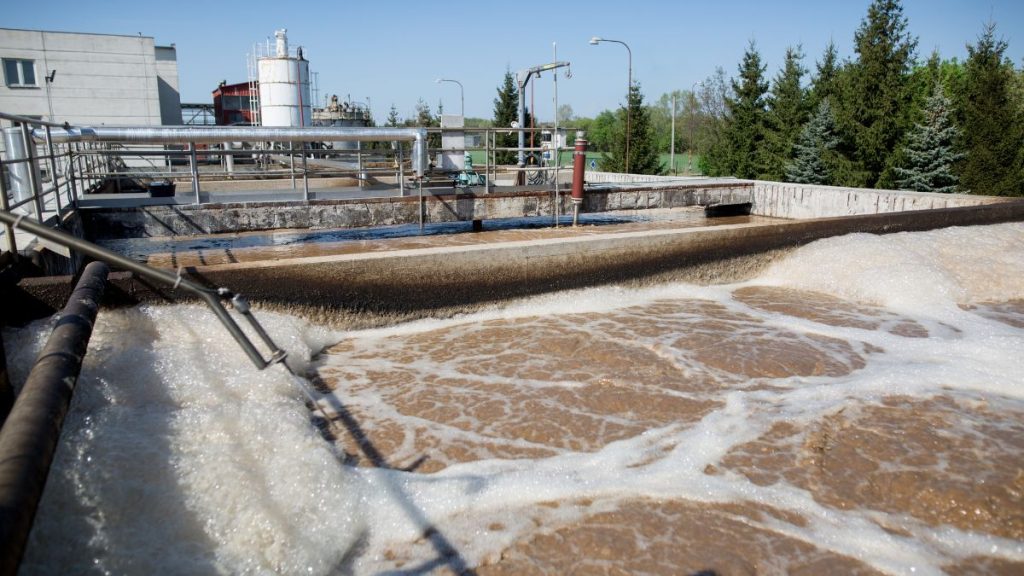
Effective pH control in wastewater treatment is one of the most important factors in maintaining stable and efficient wastewater treatment plant operations. When pH levels fluctuate beyond the optimal range, chemical reactions become inefficient, biological processes slow down, and treatment systems may fail to meet discharge standards.
For many treatment plants, operational challenges such as poor coagulation, unstable biological activity, or corrosion issues can often be traced back to improper pH management. By implementing proper monitoring systems and reliable chemical dosing strategies, wastewater treatment plants can maintain stable treatment performance and avoid costly operational disruptions.
Why is pH Control in Wastewater Treatment Plants Important?
pH plays a central role in almost every stage of wastewater treatment. From chemical processes to biological treatment systems, maintaining the correct pH range ensures that each treatment step operates effectively.
1. Ensuring Optimal Chemical Reactions
Many wastewater treatment processes rely on chemical reactions such as coagulation, precipitation, and neutralization.
These reactions only occur efficiently within specific pH ranges. If the pH is too high or too low, chemicals such as coagulants and flocculants cannot perform effectively, leading to poor suspended solid removal and reduced clarification performance.
2. Protecting Biological Treatment Processes
Biological treatment systems such as activated sludge depend on microorganisms to break down organic pollutants.
These microorganisms are sensitive to pH changes. Most biological treatment systems operate best within a pH range of 6.5 to 8.5. When pH levels fall outside this range, microbial activity decreases, resulting in reduced treatment efficiency and potential process instability.
Read Also: Biological Wastewater Treatment: An Effective Approach for Sustainable Water Management
3. Preventing Corrosion and Equipment Damage
Extreme pH levels can damage wastewater treatment infrastructure.
Acidic conditions can accelerate corrosion in pipelines, pumps, and tanks, while highly alkaline conditions may lead to scaling or mineral deposition on equipment surfaces. Maintaining proper pH control in wastewater treatment plants helps protect equipment and reduce maintenance costs.
4. Meeting Environmental Discharge Standards
Environmental regulations typically require treated wastewater to meet specific pH limits before discharge into natural water bodies or municipal systems.
Maintaining stable pH ensures compliance with discharge regulations and helps avoid operational penalties or environmental risks.
pH Control Methods in Wastewater Treatment
Several methods are commonly used to achieve effective pH control in wastewater treatment systems. The most appropriate approach depends on wastewater characteristics, plant design, and operational requirements.
1. Chemical Neutralization
Chemical neutralization is the most widely used method for adjusting pH levels.
Acidic wastewater can be neutralized using alkaline chemicals such as:
- Sodium Hydroxide (NaOH)
- Calcium Hydroxide (Lime)
- Sodium Carbonate
Meanwhile, alkaline wastewater can be treated using acidic chemicals such as:
- Sulfuric Acid
- Hydrochloric Acid
- Carbon Dioxide (CO₂)
Proper chemical selection ensures efficient pH adjustment while maintaining operational safety and cost efficiency.
2. Automatic pH Dosing Systems
Modern wastewater treatment plants often use automated pH dosing systems connected to online pH sensors.
These systems continuously monitor pH levels and automatically adjust chemical dosing to maintain the desired pH range. Automated systems reduce human error and help maintain consistent treatment performance.
Read Also: The Role of pH Controller in Boiler Systems
3. Equalization Tanks
Equalization tanks are commonly used to stabilize fluctuations in wastewater characteristics.
By mixing wastewater streams before treatment, equalization tanks help reduce sudden variations in pH, flow rate, and contaminant concentration. This allows downstream treatment processes to operate more consistently.
4. CO₂ Injection Systems
For certain industrial wastewater applications, CO₂ injection is used to safely reduce high pH levels.
Carbon dioxide reacts with water to form carbonic acid, gradually lowering pH levels without the risk of sudden over-acidification that may occur with strong acids.
Best Practices for pH Control in Wastewater Treatment Plants
Achieving stable pH control in wastewater treatment requires more than simply adding chemicals. Successful pH management depends on proper monitoring, optimized chemical dosing, and a well-designed treatment system.
Install Reliable pH Monitoring Systems
Continuous pH monitoring with accurate sensors ensures real-time process control. Regular calibration and maintenance of sensors are essential to maintain measurement accuracy.
Optimize Chemical Dosing
Chemical dosing should always be based on actual wastewater conditions. Overdosing chemicals not only increases operating costs but may also disrupt downstream treatment processes.
Use Equalization for Process Stability
Equalization tanks help buffer sudden changes in wastewater composition, making pH adjustment more stable and easier to control.
Perform Regular Jar Testing
Jar testing helps determine the optimal chemical dosage required for pH adjustment and coagulation processes. This approach helps improve treatment efficiency while minimizing chemical consumption.
Work with Experienced Water Treatment Specialists
Each wastewater stream has unique characteristics that require tailored treatment strategies. Working with experienced water treatment providers ensures that the right chemicals, dosing systems, and operational strategies are implemented.
Maintaining stable pH control in wastewater treatment requires the right chemicals, monitoring systems, and operational expertise. With decades of experience in industrial water treatment, Lautan Air Indonesia provides reliable chemical solutions, technical consultation, and operational support tailored to your wastewater treatment needs.
Contact our team today to discuss the right solution for your treatment system.