Selecting the right inorganic coagulant plays a critical role in achieving stable, efficient, and compliant clarification processes. These coagulants help remove suspended solids, reduce turbidity, and improve the performance of downstream filtration systems. While advancements in treatment technologies continue to evolve, inorganic coagulants remain essential due to their fast reaction rates, versatility, and cost-effectiveness across various industries.
What Are Inorganic Coagulants?
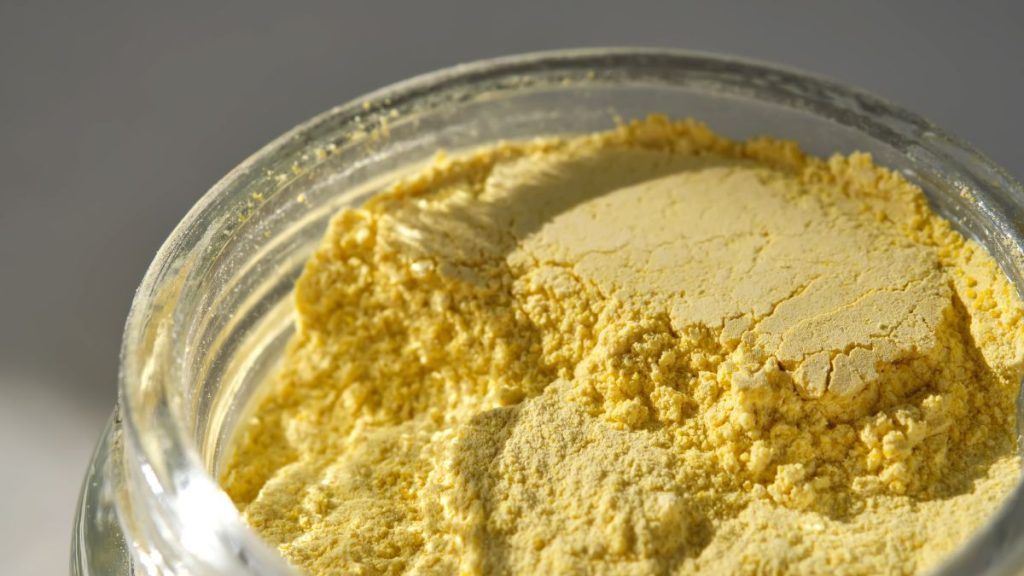
Inorganic coagulants are chemical agents used to destabilize and aggregate fine particles suspended in water. These particles, including colloids, organic matter, and microorganisms, often carry electrical charges that keep them dispersed. Inorganic coagulants neutralize these charges and allow particles to bind together, forming flocs that can be easily removed through sedimentation or filtration.
Because of their strong charge-neutralizing ability and predictable performance, inorganic coagulants are widely applied in:
- Municipal drinking water plants
- Industrial water pretreatment units
- Wastewater treatment facilities
- Cooling tower and boiler feedwater preparation
- Raw water sourced from rivers, lakes, or reservoirs
Their reliability makes them suitable for handling diverse water conditions, including high turbidity or fluctuating seasonal quality.
How Inorganic Coagulants Work
The coagulation process is driven by three main mechanisms:
1. Charge Neutralization
Suspended particles typically carry a negative charge. Inorganic coagulants introduce positively charged metal ions—such as aluminum or ferric ions—that neutralize these charges and reduce particle repulsion.
2. Sweep Floc Formation
When dissolved, many inorganic coagulants form metal hydroxide precipitates. These precipitates act like “nets” that capture suspended impurities as they settle, improving removal efficiency.
3. Floc Growth and Removal
As particles cluster into larger flocs, they become heavy enough to settle at the bottom of a clarifier or be trapped in filtration media.
This combination of mechanisms allows inorganic coagulants to perform consistently even in challenging raw water conditions.
Read Also: Understanding Coagulation in Water Treatment Processes
Types of Inorganic Coagulants
Different inorganic coagulants offer unique characteristics, making each suitable for specific treatment needs. Here are the most commonly used types across industries.
1. Alum (Aluminum Sulfate)
Alum is one of the oldest and most widely used coagulants in water treatment. Known for its reliability and affordability, it is especially effective for waters with moderate to high turbidity.
Advantages:
- Cost-effective
- Readily available
- Strong performance for general clarification needs
However, Alum consumption can reduce alkalinity and lower pH, potentially requiring additional pH adjustment chemicals.
2. Poly Aluminium Chloride (PAC)
PAC is a more advanced form of aluminum-based coagulant with higher charge density and faster coagulation kinetics. It has become popular in modern treatment systems due to its efficiency and stability.
Advantages:
- Lower sludge production
- Effective at low dosing levels
- Performs well in waters with algae or high natural organic matter
- Operates across a broader pH range than Alum
PAC is especially suitable for surface waters with seasonal variability, a common challenge in many regions.
3. Aluminum Chlorohydrate (ACH)
ACH is known for its high polymerization and high alkalinity, giving it superior coagulation performance, particularly in low-alkalinity waters where pH stability is critical.
Advantages:
- Minimal impact on treated-water pH
- Consistent performance in cold water
- Produces lower residual aluminum
ACH is frequently selected for drinking water applications requiring strict turbidity and quality control.
4. Iron-Based Coagulants (Ferric Chloride and Ferric Sulfate)
Ferric Chloride and Ferric Sulfate are another important class of inorganic coagulants and are widely used in both industrial and municipal systems.
Advantages:
- Strong performance for color removal
- Effective for high-organic or wastewater streams
- Efficient at low temperatures
These coagulants are often used in industries dealing with dyes, high organic loading, or significant color issues.
Read Also: Inorganic vs Organic Coagulant: Choosing the Right Coagulants
How to Choose the Right Inorganic Coagulant
Choosing the most suitable coagulant requires evaluating key parameters such as:
- Raw water turbidity and color
- Organic content levels
- pH and alkalinity
- Sludge management considerations
- Regulatory requirements
- Temperature variations
- Desired treated-water quality
Every water source behaves differently, and optimizing coagulant selection requires careful testing and technical assessment.
Optimizing Coagulation Performance
Beyond choosing the right chemical, treatment efficiency can be significantly improved through:
- Proper dosing control
- Jar testing for parameter optimization
- pH adjustment strategies
- Integration with coagulation–flocculation systems
- Use of polymer aids when necessary
- Robust monitoring and automation
Industries that invest in proper optimization often achieve cost savings, improved stability, and better compliance over time.
Complete Water Treatment Support from Lautan Air Indonesia
Once the technical content is established, it’s important to highlight that reliable implementation requires both quality chemicals and experienced support.
Lautan Air Indonesia provides a complete portfolio of Alum, PAC, ACH, iron-based coagulants, and other treatment solutions tailored to the needs of industries across Indonesia.
Available Solutions Include:
- Supply of high-quality inorganic coagulants
- Water treatment chemicals (coagulants, flocculants, disinfectants)
- Operation & maintenance services for WTP and WWTP
- Clean & drinking water system solutions
- Equipment, filtration media, and system upgrades
- Laboratory analysis and jar test services
- Controller, automation, and IoT integration
With over 40 years of experience, LAI supports customers in optimizing performance, reducing operational costs, and achieving sustainable water management.
If your facility requires a reliable inorganic coagulant or a complete water treatment solution, Lautan Air Indonesia is ready to assist you.
Reach out to our team to identify the most effective product and service package for your operation.