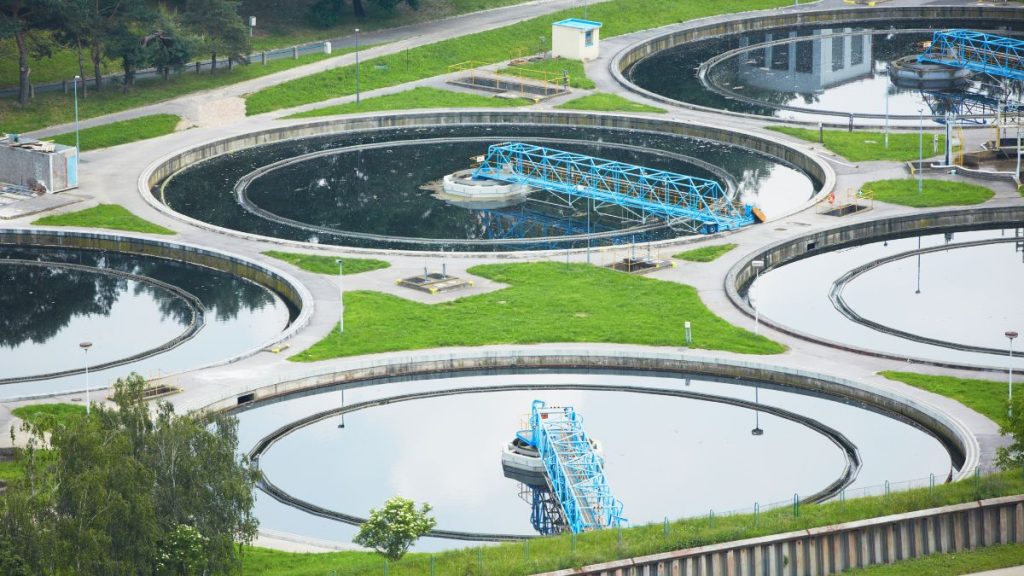
In biological wastewater treatment, maintaining the right balance of oxygen is essential for achieving optimal system performance. However, when high dissolved oxygen (DO) occurs in an aeration tank, it can lead to inefficiencies and operational challenges.
Understanding the effects and how to control DO concentration is key to ensuring efficient treatment processes, stable microbial activity, and cost-effective plant operation.
The Role of Dissolved Oxygen in an Aeration Tank
Dissolved oxygen serves as the lifeblood of the aeration process in wastewater treatment. It supports aerobic microorganisms that break down organic matter and reduce biochemical oxygen demand (BOD). These microorganisms rely on oxygen to metabolize pollutants, converting them into carbon dioxide, water, and biomass.
Typically, the ideal dissolved oxygen concentration in an aeration tank ranges between 1.5 and 3.0 mg/L, depending on system design and wastewater characteristics. Within this range, microorganisms receive enough oxygen to function efficiently without excessive energy consumption from aeration equipment.
The Effect of High Dissolved Oxygen in an Aeration Tank
When DO levels rise significantly above the optimal range, the treatment process can experience several negative effects, both biologically and operationally.
1. Increased Energy Consumption
High dissolved oxygen often results from over-aeration. Aeration systems are typically one of the largest energy consumers in wastewater treatment plants, accounting for up to 60% of total energy use. When more air is supplied than necessary, it leads to wasted energy and higher operational costs without improving treatment efficiency.
2. Disturbance of Microbial Balance
Microorganisms in activated sludge systems are sensitive to their environmental conditions. Excess oxygen can shift the balance of microbial populations, favoring certain aerobic species over others. This imbalance can disrupt nitrification and denitrification processes, reducing overall treatment stability and performance.
For example, nitrifying bacteria (such as Nitrosomonas and Nitrobacter) require oxygen, but denitrifying bacteria function in low-oxygen environments. When DO is too high, the denitrification process is inhibited, leading to incomplete nitrogen removal.
3. Reduced Sludge Quality
Over-aeration can cause excessive floc breakage in the activated sludge. The resulting smaller flocs tend to settle poorly in the secondary clarifier, creating turbid effluent and higher suspended solids concentrations. Poor sludge settling not only affects effluent quality but can also cause sludge bulking or foaming issues.
Baca Juga: Sludge Dewatering: Optimizing Efficiency and Environmental Compliance
4. Carbon Source Depletion
When oxygen levels are too high, microorganisms may rapidly consume available organic carbon sources. This can leave insufficient carbon for denitrifying bacteria, further impairing the nitrogen removal process. The result is higher nitrate concentrations in the treated water.
5. Corrosion of Equipment
Excess oxygen in water increases the potential for corrosion in metal equipment and piping. Prolonged exposure to high DO levels can accelerate the degradation of aeration diffusers, blowers, and other system components, increasing maintenance needs and replacement costs.
6. pH and Alkalinity Changes
Over-aeration can also lead to the stripping of carbon dioxide from the water, increasing pH levels and decreasing alkalinity. These shifts in water chemistry can affect biological activity and damage microbial communities in the aeration tank.
How to Control High Dissolved Oxygen in Aeration Tanks
Controlling DO levels requires a combination of precise monitoring, smart automation, and proper system design. Here are several proven strategies to prevent or manage high dissolved oxygen.
1. Implement DO Monitoring and Control Systems
Continuous DO monitoring using sensors allows operators to maintain oxygen levels within the desired range. Advanced control systems adjust the air supply automatically based on real-time DO data, preventing over-aeration and ensuring stable treatment performance.
2. Optimize Aeration Equipment
Regular maintenance and calibration of blowers and diffusers are essential to maintain their efficiency. Adjusting aeration rates according to influent load variations helps balance oxygen supply and demand. Variable frequency drives (VFDs) on blowers can also be used to fine-tune air delivery.
3. Adjust Aeration Tank Configuration
In some systems, compartmentalizing the aeration tank into zones with different DO setpoints can improve process control. For instance, maintaining a lower DO concentration in the first zone encourages denitrification, while higher DO in subsequent zones promotes nitrification.
4. Use Automated Process Control
Integrating automated process control systems based on feedback from DO sensors, oxidation-reduction potential (ORP), and ammonia analyzers allows for more accurate aeration management. This approach not only controls DO levels but also enhances energy efficiency.
5. Conduct Routine Performance Audits
Regular audits of aeration system performance help identify inefficiencies or imbalances early. These assessments may include air flow testing, diffuser uniformity checks, and a review of microbial population under a microscope.
Read Also: How Online Monitoring Improves Water Treatment Performance
Why DO Control Matters
Maintaining the right dissolved oxygen concentration directly influences the efficiency, cost, and environmental impact of wastewater treatment operations. Proper control ensures:
- Stable biological activity for organic and nutrient removal
- Lower energy consumption and operating costs
- Improved sludge quality and settling characteristics
- Extended equipment lifespan through reduced corrosion
- Consistent compliance with environmental discharge standards
Lautan Air Indonesia’s Expertise in Aeration and DO Control
Managing high dissolved oxygen levels requires both technical understanding and practical experience. Lautan Air Indonesia provides complete solutions to help industries maintain optimal DO control across their wastewater treatment systems.
With more than 40 years of experience in water and wastewater treatment, Lautan Air Indonesia combines chemical, mechanical, and digital solutions to deliver efficient, sustainable, and reliable operations.
If your facility is facing challenges with aeration balance or microbial performance, Lautan Air Indonesia is ready to support. Our team can assess your current setup, recommend the right control strategy, and implement tailored solutions that enhance both energy efficiency and treatment quality.
Contact Lautan Air Indonesia today to discover how our integrated water and wastewater treatment solutions can help you maintain ideal dissolved oxygen levels and ensure reliable, sustainable operations.