
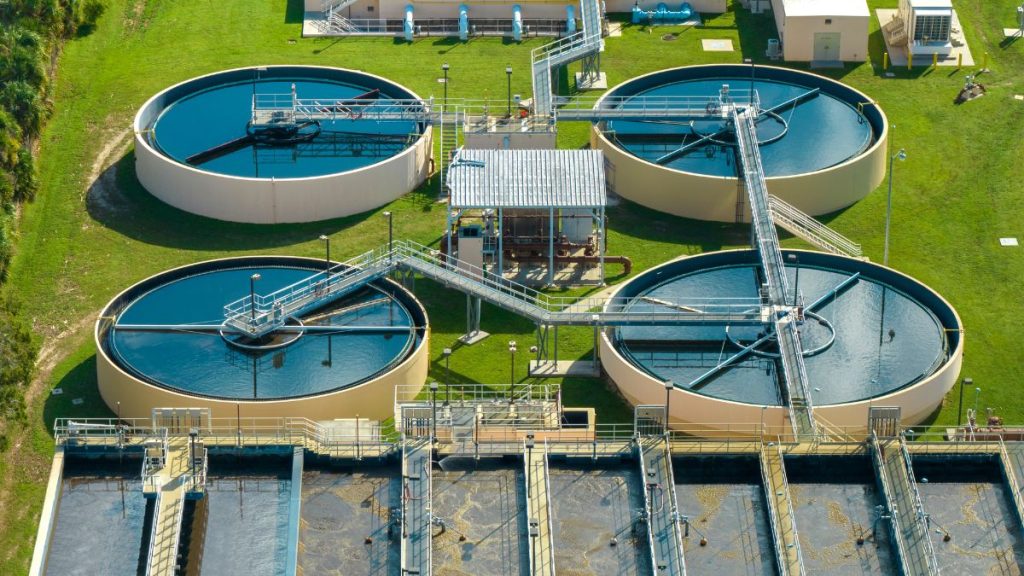
An equalization tank is an essential component in modern wastewater treatment systems, designed to manage fluctuations in wastewater flow and composition. As industries generate wastewater with varying flow rates and pollutant concentrations, ensuring a stable and efficient treatment process becomes crucial.
Equalization tanks play a critical role in balancing these variations, protecting downstream treatment units, and improving overall treatment performance.
What is an Equalization Tank?
An equalization tank is a storage unit in a wastewater treatment facility that temporarily holds incoming wastewater. Its primary function is to even out fluctuations in flow rate and pollutant concentrations, ensuring that the subsequent treatment processes operate efficiently and consistently.
Industrial wastewater often contains varying amounts of chemical oxygen demand (COD), biological oxygen demand (BOD), suspended solids, and other contaminants. Sudden peaks in flow or pollutant levels can overwhelm treatment systems, leading to inefficiencies, equipment damage, or non-compliance with discharge standards. The equalization tank acts as a buffer, providing a controlled flow of wastewater to downstream treatment units, mitigating shock loads, and preventing treatment disruptions.
The Role of Equalization Tanks in Wastewater Treatment
The significance of an equalization tank in wastewater treatment cannot be overstated. Its role extends beyond simply storing wastewater temporarily, it actively improves the efficiency and stability of the treatment process.
1. Flow and Load Equalization
One of the primary functions of an equalization tank is to normalize the flow rate and pollutant load entering the treatment plant. Industrial processes often generate wastewater intermittently, causing peaks and troughs in flow. These fluctuations can destabilize biological treatment processes, particularly in activated sludge systems, which rely on steady conditions for optimal microbial activity.
By using an equalization tank, wastewater is stored and gradually released at a consistent rate, allowing biological and chemical treatment units to operate under stable conditions, reducing stress on equipment and improving treatment efficiency.
Read Also: COD and BOD in Palm Oil Mill Effluent: Challenges and Solutions
2. Improved Treatment Performance
Wastewater characteristics can vary significantly depending on the type of industrial process, time of day, or batch operations. These variations in pH, temperature, suspended solids, and organic content can negatively affect treatment performance. The equalization tank helps mix and homogenize wastewater, creating a more uniform influent for subsequent treatment stages. This leads to higher removal efficiencies, better sludge quality, and reduced risk of bypassing or process upset.
3. Protection of Downstream Equipment
Pumps, aerators, clarifiers, and other wastewater treatment equipment can be sensitive to sudden spikes in flow or contaminants. Equalization tanks act as a protective barrier, reducing the impact of shock loads and preventing mechanical damage, excessive wear, or fouling. This protective role extends equipment life and minimizes maintenance costs over time.
4. Odor Control and Aeration
For aerated equalization tanks, continuous mixing and aeration prevent the formation of anaerobic zones that can produce unpleasant odors. Additionally, aeration helps maintain oxygen levels, reduce sludge accumulation, and stabilize wastewater before it enters biological treatment processes.
Maintenance of Equalization Tanks
Proper maintenance of an equalization tank is critical to ensure optimal performance and longevity. Neglecting maintenance can lead to sediment build-up, odor problems, and decreased treatment efficiency. Maintenance practices can range from routine inspections to professional services offered by experienced operators.
1. Regular Inspection and Cleaning
Equalization tanks should be inspected regularly for signs of sediment accumulation, structural damage, or equipment malfunctions. Over time, solids and sludge can settle at the bottom of the tank, reducing its effective capacity and impairing mixing efficiency. Routine cleaning, typically conducted during scheduled downtime, ensures uninterrupted tank operation.
2. Monitoring Water Quality
Monitoring pH, temperature, and pollutant concentrations in the tank helps detect changes in wastewater characteristics. Sudden deviations may indicate upstream process issues or tank performance problems. Continuous monitoring allows operators to adjust aeration, mixing, or chemical dosing as needed to maintain optimal conditions.
3. Equipment Maintenance
Mixers, aerators, pumps, and other mechanical equipment associated with the equalization tank require periodic servicing. Proper lubrication, inspection of electrical components, and replacement of worn parts prevent equipment failure and downtime.
Ensuring Reliable Operation with Professional Support from Lautan Air Indonesia
To keep an equalization tank running efficiently, consistent maintenance and expert oversight are essential. Lautan Air Indonesia provides professional support to help industries operate their wastewater systems safely and effectively through our Operation & Maintenance (OM) services, chemical solutions, and technical expertise.
Our team ensures stable operation by conducting regular inspections, preventive maintenance, and equipment checks. We also supply high-quality treatment chemicals (including coagulants, flocculants, and disinfectants) to improve water quality and prevent issues like odor or sludge buildup.
Whether you need system optimization, troubleshooting, or long-term operational support, Lautan Air Indonesia is your reliable partner in maintaining efficient and sustainable wastewater treatment performance.
Optimize your equalization tank with Lautan Air Indonesia. Contact us today to discover how our professional team can help you maintain a stable, efficient, and environmentally responsible wastewater treatment system.