
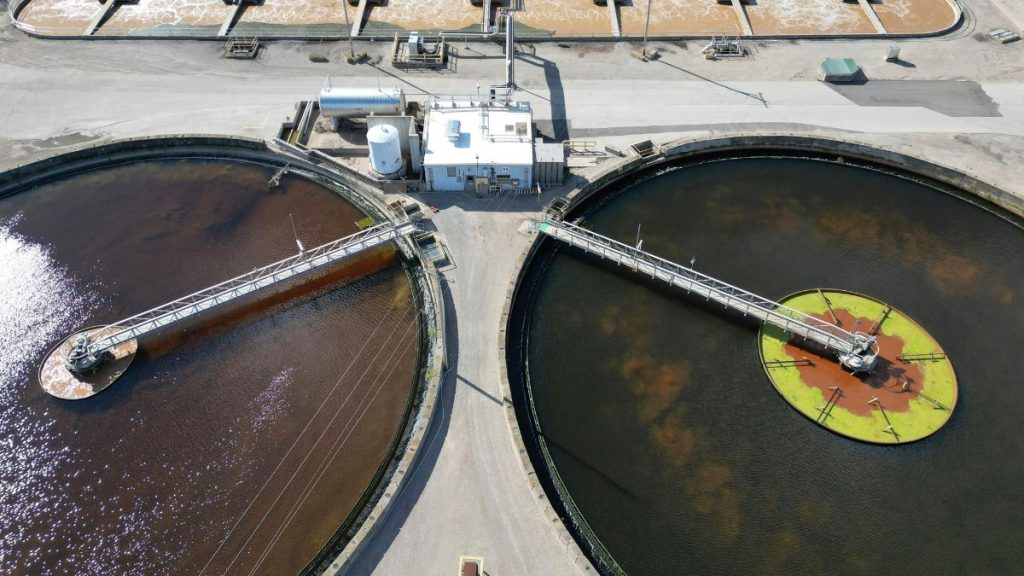
Biological wastewater treatment is one of the most widely applied methods for managing wastewater containing organic pollutants. As industries face stricter environmental regulations and increasing pressure to operate sustainably, biological treatment has become a key solution for reducing pollution while maintaining operational efficiency. By leveraging natural biological processes, this treatment method allows wastewater to be treated in an environmentally responsible and economically viable way.
From industrial facilities to centralized treatment plants, biological wastewater treatment continues to play a critical role in protecting water resources and supporting long-term environmental sustainability.
What Is Biological Wastewater Treatment?
Biological wastewater treatment is a treatment process that uses microorganisms to degrade organic contaminants present in wastewater. These microorganisms metabolize organic matter and convert it into simpler compounds, resulting in treated effluent that meets discharge or reuse standards.
This process is particularly effective for wastewater streams with high concentrations of biodegradable organic materials, such as those generated by food processing, palm oil mills, chemical industries, textiles, and other manufacturing sectors. Compared to purely physical or chemical treatment methods, biological wastewater treatment offers a balanced approach that combines efficiency, sustainability, and cost-effectiveness.
Because it relies on living organisms, biological treatment systems must be properly designed and operated to maintain stable microbial activity. When managed correctly, they provide consistent performance and long-term reliability.
The Role of Biological Treatment in Industrial Wastewater Management
Industrial wastewater often contains complex organic compounds, fluctuating loads, and varying flow rates. Biological wastewater treatment is well suited to address these challenges, as it can adapt to a wide range of wastewater characteristics.
Key benefits of biological wastewater treatment include:
- Significant reduction of BOD and COD
- Lower chemical consumption compared to advanced chemical treatment
- Environmentally friendly processes using natural biological activity
- Compatibility with integrated treatment systems
For industries aiming to comply with environmental regulations while optimizing operational costs, biological wastewater treatment remains a core component of modern wastewater management strategies.
Read Also: COD BOD Difference Explained: How to Interpret Organic Pollution in Wastewater
Types of Biological Wastewater Treatment Systems
There are several types of biological wastewater treatment systems available today. Each system is designed to address specific operational requirements, space constraints, and wastewater characteristics. While aerobic and anaerobic processes are discussed in more detail in separate articles, the following overview introduces commonly used biological treatment technologies.
1. Activated Sludge Process
The activated sludge system uses suspended microorganisms in an aeration tank to degrade organic pollutants. This method is widely applied due to its effectiveness and adaptability to various industrial wastewater conditions.
Read Also: Why is the Activated Sludge in Wastewater Treatment Plant Not Sedimenting Properly?
2. Moving Bed Biofilm Reactor (MBBR)
MBBR systems utilize biofilm carriers that provide a large surface area for microbial growth. This type of biological wastewater treatment is known for its compact design, operational stability, and ability to handle fluctuating organic loads.
3. Sequencing Batch Reactor (SBR)
SBR systems operate in time-based cycles within a single reactor, allowing aeration, settling, and discharge to occur sequentially. This configuration is often selected for facilities with limited space or variable influent characteristics.
4. Biofilter and Fixed Media Systems
Biofilters rely on microorganisms attached to fixed media, forming a biofilm that degrades organic matter as wastewater flows through the system. These systems are often used as polishing units or as part of multi-stage treatment processes.
5. Hybrid and Integrated Systems
In many industrial applications, biological wastewater treatment is combined with physical and chemical processes to ensure stable performance and consistent effluent quality. Integrated systems are especially useful for complex wastewater streams.
Key Factors Affecting Biological Wastewater Treatment Performance
The effectiveness of biological wastewater treatment depends on multiple operational and design factors. Inadequate system design or improper operation can lead to performance issues such as sludge bulking, odor problems, or failure to meet discharge standards.
Important factors to consider include:
- Wastewater composition and organic loading
- Flow rate fluctuations and shock loads
- Nutrient balance and pH conditions
- Oxygen transfer efficiency (where applicable)
- Sludge management and disposal
Careful planning and continuous monitoring are essential to ensure that biological wastewater treatment systems perform reliably over time.
Read Also: Aerobic Anaerobic Wastewater Treatment: Definition, Systems, and Comparison
Supporting Biological Wastewater Treatment with the Right Expertise
As wastewater characteristics become more complex and regulatory requirements more stringent, industries increasingly rely on experienced partners to support the design, operation, and optimization of biological wastewater treatment systems.
This is where Lautan Air Indonesia plays a role. With decades of experience in water and wastewater solutions, Lautan Air Indonesia supports industrial clients by delivering practical, application-focused biological wastewater treatment services. Rather than offering one-size-fits-all systems, solutions are developed based on wastewater analysis, site conditions, and operational objectives.
Biological Wastewater Treatment Solutions and Services
Lautan Air Indonesia provides comprehensive support for biological wastewater treatment across various industries. These services are designed to help facilities achieve stable performance, regulatory compliance, and long-term operational efficiency.
1. Wastewater Treatment Plant Design and Engineering
Customized engineering and system design for biological wastewater treatment plants, aligned with wastewater characteristics and discharge requirements.
2. Treatment Chemicals and Process Support
Supply of coagulants, flocculants, nutrients, pH adjustment chemicals, and specialty products to maintain stable biological processes.
3. Operation and Maintenance Services
Professional operation and maintenance services to ensure biological wastewater treatment systems run efficiently and consistently.
4. System Optimization and Troubleshooting
Evaluation and optimization of existing treatment plants to address performance issues, improve efficiency, and reduce operational costs.
5. Equipment and Media Supply
Provision of aeration systems, biofilm carriers, filter media, dosing systems, and process instrumentation.
Through these integrated services, Lautan Air Indonesia helps industries operate biological wastewater treatment systems with confidence.
Moving Toward Sustainable Wastewater Management
Biological wastewater treatment remains a cornerstone of sustainable wastewater management for modern industries. Its ability to reduce organic pollution efficiently while supporting environmental compliance makes it an essential component of industrial water strategies.
For organizations seeking to improve their wastewater treatment performance or develop new treatment facilities, working with an experienced partner can significantly reduce technical and operational risks. Lautan Air Indonesia offers the expertise and local support needed to implement reliable biological wastewater treatment solutions that align with both regulatory and sustainability goals.
To learn more about how biological wastewater treatment can be optimized for your facility, connect with Lautan Air Indonesia and explore solutions tailored to your operational needs.