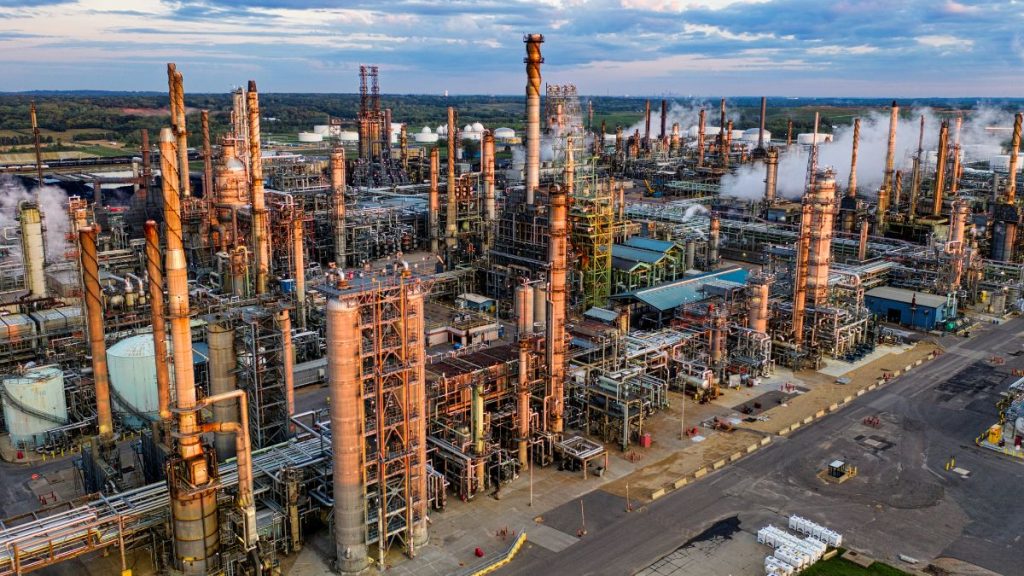
Oleochemical wastewater treatment needs to address more than high COD alone. Wastewater from oleochemical production can contain high organic loads, suspended solids, fatty materials, and process chemicals. These characteristics can affect biological treatment performance and make it difficult to consistently achieve the required effluent quality.
A study in the Journal of Environmental Management reported COD concentrations of 6,000 to 20,000 mg/L in oleochemical wastewater. The study also demonstrated that a submerged bed biofilm reactor could achieve up to 98% COD reduction under optimized operating conditions.
For this reason, an effective treatment strategy should consider the entire treatment train, from pretreatment and biological treatment to chemical treatment and final polishing.
What Makes Oleochemical Wastewater Challenging?
Oleochemical plants process oils and fats into products such as fatty acids, glycerine, fatty alcohols, and other derivatives. Wastewater can come from different stages of production and cleaning, so its characteristics may vary between processes and operating conditions.
Key parameters that need to be considered include:
- COD and BOD: High organic loading can place significant demand on biological treatment.
- Oil and grease: Fatty materials can interfere with biological treatment and solids separation.
- TSS: Suspended solids can increase the loading on clarifiers and downstream processes.
- pH: Process chemicals and cleaning activities can cause pH fluctuations.
- Temperature: Hot wastewater can affect biological activity if it enters the biological system without adequate cooling.
- Flow and organic loading: Production fluctuations can create hydraulic or organic shock loading.
Because wastewater characteristics differ between facilities, wastewater characterization should be the starting point for treatment design and optimization.
Read Also: Removal of TSS in Palm Oil Wastewater Treatment: Practical Approaches for Better Effluent Quality
Key Process Considerations for Oleochemical Wastewater Treatment
1. Stabilize Wastewater Through Pretreatment
Pretreatment helps protect downstream biological processes from excessive solids, oil, grease, and sudden changes in wastewater conditions.
Depending on the wastewater characteristics, this stage may include screening, equalization, cooling, oil separation, coagulation-flocculation, or dissolved air flotation.
Equalization is particularly useful when wastewater flow and composition fluctuate throughout production. Balancing flow, pH, temperature, and organic loading can provide more stable conditions for downstream treatment.
Chemical coagulation can also help remove suspended and colloidal materials before biological treatment. Research on oleochemical wastewater has investigated coagulation as a pretreatment approach for reducing turbidity and COD.
2. Match Biological Treatment to Organic Loading
Biological treatment is often a key stage in oleochemical wastewater treatment because much of the organic matter can be biodegradable.
For high-strength wastewater, anaerobic treatment may be considered to reduce organic loading before aerobic treatment. Aerobic systems can then provide further COD and BOD removal.
However, reactor selection alone does not determine performance.
A 2018 study on an SBBR treating oleochemical wastewater found that wastewater flow rate was the most influential factor among the operating variables studied. Under optimized conditions, the system achieved 98% COD reduction.
This highlights an important operational principle: biological treatment performance depends not only on the technology installed, but also on how the system is operated.
3. Control Operating Conditions
Stable biological treatment requires consistent control of operating conditions.
Operators should monitor parameters such as:
- pH
- Temperature
- COD loading
- Dissolved oxygen
- MLSS and sludge condition
- Hydraulic flow
- Nutrient availability
- Sludge production
- Final effluent quality
Sudden changes in organic loading, pH, or temperature can stress the biological population and cause unstable treatment performance.
For existing plants, reviewing these operating parameters can often identify opportunities for improvement without replacing the entire treatment system.
4. Use Chemical Treatment Where It Adds Value
Chemical treatment can complement biological processes when suspended solids, colloidal materials, or other contaminants require additional removal.
Coagulation and flocculation can be used as pretreatment or intermediate treatment, depending on the process configuration. The appropriate chemical and dosage should be determined through wastewater testing and jar testing rather than applying a fixed dosage.
Research has also investigated electrocoagulation for oleochemical wastewater, demonstrating its potential for reducing COD and TSS under optimized conditions.
The objective is not to add chemicals unnecessarily, but to use physicochemical treatment where it provides a clear benefit to the overall treatment process.
5. Consider Polishing for Final Effluent Quality
Biological treatment may not always be sufficient to achieve the required final effluent quality.
Depending on the remaining contaminants and discharge or reuse requirements, additional treatment may include:
- Coagulation-flocculation
- Multimedia filtration
- Activated carbon
- Membrane filtration
- Advanced oxidation
The appropriate polishing technology should be selected based on the actual quality of the treated wastewater and the target parameters.
Read Also: COD and BOD in Palm Oil Mill Effluent: Challenges and Solutions
Building a More Reliable Treatment Strategy
A practical oleochemical wastewater treatment system can be structured as:
Wastewater Characterization → Equalization → Pretreatment → Biological Treatment → Clarification → Polishing → Final Effluent
The actual configuration should be determined based on wastewater composition, flow rate, organic loading, oil and grease concentration, required effluent quality, available footprint, and existing infrastructure.
This approach also helps identify the actual source of treatment problems. For example, consistently high COD may be related to biological loading or aeration rather than chemical dosing. Poor clarification may be related to sludge characteristics rather than insufficient treatment capacity.
Supporting Oleochemical Wastewater Treatment Performance
Improving wastewater treatment does not always mean replacing the entire plant. A structured evaluation of pretreatment, chemical dosing, biological operation, clarification, sludge management, and process control can help identify practical opportunities for optimization.
LAI can support industrial facilities in evaluating their water and wastewater treatment requirements and developing solutions based on actual operating conditions. This can include treatment chemical selection, process evaluation, optimization, and operational support.
The focus is to build a treatment approach that fits the wastewater characteristics and operational requirements of each facility.
Looking to improve your oleochemical wastewater treatment process? Contact Lautan Air Indonesia to discuss your wastewater characteristics, current treatment challenges, and potential optimization opportunities.
Reference
- Ismail, Z., Aziz, M. M. A., Mahmood, N. A. N., Ismail, S., Umor, N. A., & Syed Muhammad, S. A. F. (2018). Optimisation of a modified submerged bed biofilm reactor for biological oleochemical wastewater treatment. Journal of Environmental Management, 226, 156-162.
- Choo, C. M., Tok, K. W., Teo, F. Y., Chong, C. H., Chok, V. S., & Majid, M. F. (2020). Use of wheat germ and chitosan as the natural coagulant in oleochemical wastewater treatment. Lecture Notes in Civil Engineering, 53, 785-797.
- Azli, F. A. M., Azoddein, A. A. M., & Yunus, M. Y. M. (2020). Removal of chemical oxygen demand (COD) and total suspended solid (TSS) using electrocoagulation process for treatment of oleochemical wastewater. IOP Conference Series: Materials Science and Engineering, 736, 022104.