Maintaining hygienic equipment is essential for ensuring product quality and operational efficiency. In many industries, cleaning out of place is a practical solution for equipment that cannot be cleaned while installed on the production line.
By removing components for separate cleaning and sanitizing, manufacturers can maintain high hygiene standards, reduce contamination risks, and keep operations running reliably.
What is COP?
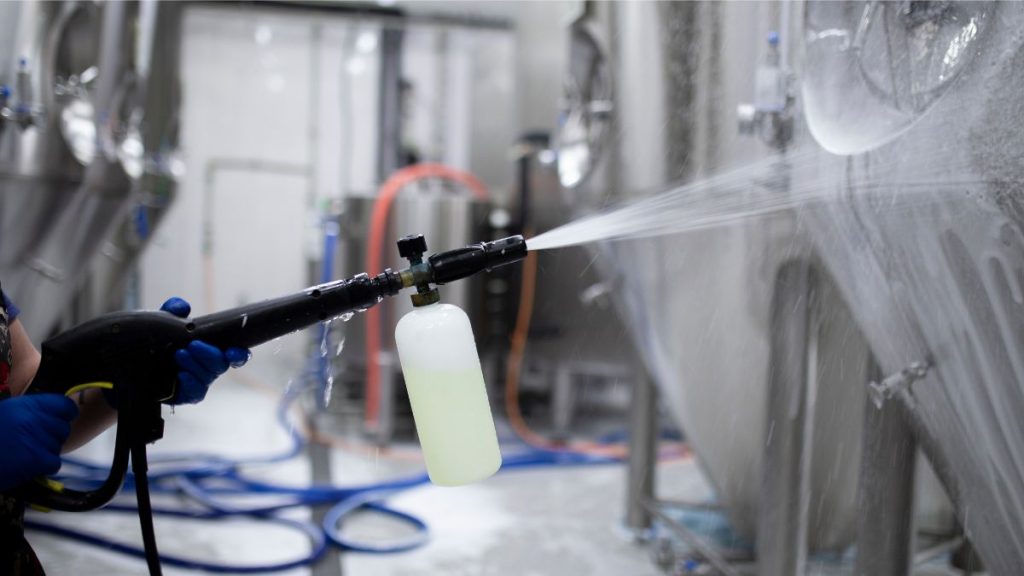
Cleaning Out of Place, or COP, is a cleaning method where equipment parts are removed from the production line and cleaned separately in a dedicated washing area. Unlike automated cleaning systems that circulate cleaning solutions through fixed pipelines, COP requires components to be disassembled and immersed, sprayed, or scrubbed in specially designed tanks or wash stations.
The cleaning out of place method is widely used in food and beverage, dairy, pharmaceutical, and personal care industries where removable equipment parts come into direct contact with products and require thorough cleaning.
COP is not simply manual washing. It is a structured cleaning process that follows specific procedures, uses validated chemicals, and often includes sanitizing steps to ensure hygienic conditions before equipment is returned to operation.
Equipment That Requires COP
Not every piece of equipment can be cleaned using automated systems. Certain components are more effectively cleaned through cleaning out of place because of their design, location, or exposure to product residues.
Equipment commonly cleaned using COP includes:
- Valves and valve components
- Pump casings and impellers
- Fittings and clamps
- Filter housings and filter screens
- Mixing blades and agitators
- Filling machine parts
- Small tanks and containers
- Removable conveyor parts
- Gaskets and seals
- Nozzles and spray heads
These components often contain hard-to-reach areas where product residues can accumulate. Removing them for cleaning allows operators to inspect surfaces more thoroughly and achieve better hygiene results.
Read Also: CIP vs Manual Cleaning: Which Method Is More Efficient for Food and Beverage Processing?
COP Cleaning Procedures
A successful COP process requires consistency and proper execution. While procedures may vary across industries, the following steps are generally applied.
1. Equipment Disassembly
The process starts by carefully removing equipment parts from the production line. Operators should follow standard operating procedures to prevent damage and ensure proper reassembly later.
2. Pre-Rinsing
Loose soils and product residues are removed using water. This step reduces the amount of contamination entering the cleaning bath and improves cleaning efficiency.
3. Washing with Cleaning Chemicals
Components are immersed in a COP tank or cleaned using spray systems containing suitable cleaning chemicals.
The selection of chemicals depends on the type of contamination:
- Alkaline cleaners for fats, proteins, and organic residues
- Acid cleaners for mineral deposits and scale
- Specialty detergents for specific applications
Temperature, concentration, and cleaning time must be controlled to achieve effective cleaning results.
4. Rinsing
After washing, equipment is thoroughly rinsed to remove chemical residues and loosened contaminants.
5. Inspection
Operators inspect each component visually and, when required, conduct hygiene verification tests to confirm cleanliness.
Sanitizing After COP
Cleaning removes soils, but sanitizing reduces microorganisms that may remain on equipment surfaces.
Sanitizing is an important step after cleaning out of place, particularly in industries with strict hygiene requirements.
Common sanitizing methods include:
- Chemical sanitizers
- Chlorine-based disinfectants
- Peracetic acid solutions
- Quaternary ammonium compounds
- Hot water sanitization
The choice of sanitizer should consider equipment material compatibility, contact time requirements, and industry regulations.
After sanitization, equipment should be allowed to dry properly or be rinsed according to the sanitizer manufacturer’s recommendations before reassembly.
Advantages and Limitations of COP
Like any cleaning method, COP offers several benefits while presenting certain operational challenges.
Advantages
1. Thorough cleaning
Disassembled components can be cleaned more effectively, especially for complex geometries and hard-to-reach surfaces.
2. Visual inspection
Operators can inspect parts closely for wear, damage, corrosion, or remaining residues.
3. Flexibility
COP systems can handle a wide range of removable equipment without requiring extensive piping modifications.
4. Reduced contamination risk
When properly managed, COP helps maintain hygienic production conditions and minimizes contamination risks.
Limitations
1. Labor intensive
Cleaning out of place requires manual handling, disassembly, and reassembly, which increases labor requirements.
2. Longer downtime
Production equipment may remain unavailable during cleaning and inspection activities.
3. Operator dependency
Cleaning quality depends heavily on adherence to procedures and operator skills.
4. Chemical management challenges
Incorrect chemical concentration or improper rinsing may affect cleaning effectiveness or equipment longevity.
Common COP Issues
Despite its effectiveness, companies often encounter challenges when implementing COP systems.
1. Inconsistent Cleaning Results
Variations in cleaning time, chemical concentration, and operator practices can lead to uneven cleaning performance.
2. High Water and Chemical Consumption
Inefficient processes may increase operating costs through excessive use of water and cleaning chemicals.
3. Equipment Damage
Using incompatible chemicals or excessive cleaning temperatures may damage gaskets, seals, or metal surfaces.
4. Cross Contamination Risks
Poor segregation of dirty and clean equipment areas may increase the risk of recontamination after cleaning.
5. Limited Process Monitoring
Manual cleaning operations can be difficult to monitor without standardized procedures and performance indicators.
Read Also: CIP Cleaning Chemicals: A Guide to Better Cleaning Performance
Improving COP Performance with the Right Approach
An effective cleaning out of place system is more than a wash tank and cleaning chemicals. It requires proper process design, optimized chemical selection, operational guidance, and routine performance evaluation.
By improving cleaning procedures, selecting suitable sanitizing agents, and implementing standardized operating practices, manufacturers can enhance hygiene performance while improving operational efficiency.
This is especially important for industries that face strict regulatory requirements and high expectations for product quality.
Supporting Your COP Program with LAI
Reliable COP performance depends on more than daily cleaning activities. Industries need the right combination of cleaning chemicals, sanitizing solutions, water treatment support, and technical expertise to maintain consistent hygiene standards.
LAI provides industrial cleaning and sanitation solutions that help businesses optimize their cleaning out of place operations. From cleaning chemicals and disinfectants to water treatment systems and technical consultation, LAI supports industries in building safer, more efficient, and more reliable cleaning processes.
Whether you are improving an existing COP program or developing a new sanitation strategy, having an experienced partner can help you achieve better operational performance and long-term reliability.
Partner with LAI for Better Industrial Hygiene
Looking to improve your cleaning and sanitation process?
LAI offers integrated industrial hygiene solutions, including cleaning chemicals, sanitizing agents, water treatment systems, and technical support tailored to your operational requirements.
Contact LAI today to discuss your cleaning challenges and discover solutions that help you maintain hygiene, improve efficiency, and protect product quality.