
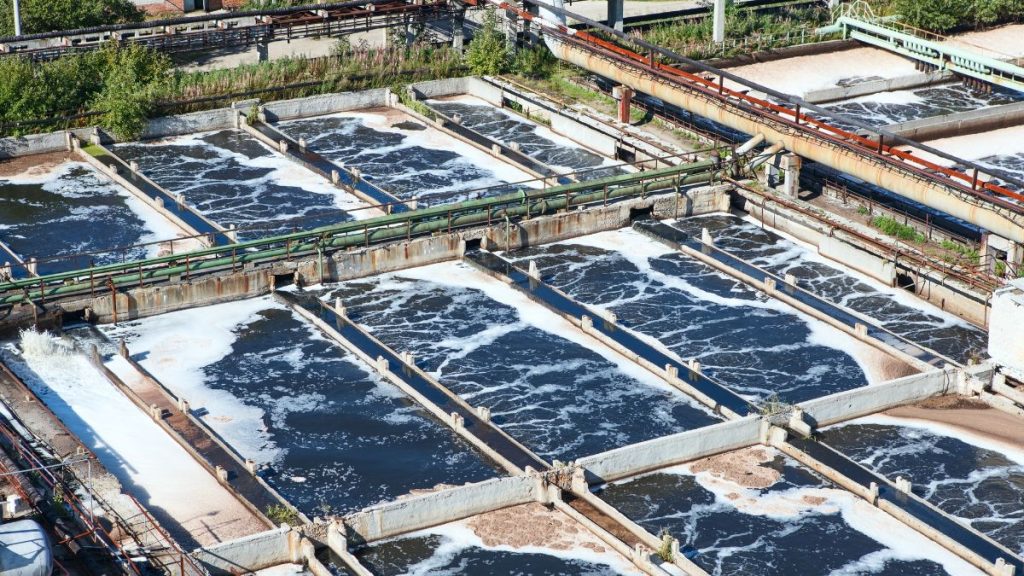
As industries face stricter environmental regulations and growing sustainability demands, biological nutrient removal has become an essential part of modern wastewater treatment systems. Excess nutrients such as nitrogen and phosphorus in wastewater can lead to serious environmental problems, including eutrophication, algae blooms, and declining water quality in rivers and lakes.
To address these challenges, many facilities are now implementing biological nutrient removal wastewater treatment plant systems that are designed to reduce nutrient levels efficiently while supporting long-term operational stability.
This article discusses what biological nutrient removal is, how the process works, and how the right wastewater treatment approach can help industries maintain compliance and improve operational performance.
What Is Biological Nutrient Removal?
Biological nutrient removal, often abbreviated as BNR, is a wastewater treatment process that uses microorganisms to remove nutrients, primarily nitrogen and phosphorus, from wastewater before discharge.
In conventional wastewater treatment, the main focus is usually on reducing organic pollutants and suspended solids. However, wastewater often still contains nutrients that can negatively impact the environment if released untreated.
A biological nutrient removal system introduces specific treatment conditions that encourage beneficial bacteria to naturally convert or absorb these nutrients. The process is widely used in municipal and industrial wastewater treatment applications where nutrient discharge standards are becoming increasingly strict.
The primary objectives of biological nutrient removal include:
- Reducing nitrogen levels in wastewater
- Removing phosphorus before discharge
- Improving overall effluent quality
- Supporting environmental compliance
- Preventing pollution in receiving water bodies
Baca Juga: Biological Wastewater Treatment: An Effective Approach for Sustainable Water Management
Why Biological Nutrient Removal Matters
High nutrient concentrations in wastewater can create major environmental and operational risks. Nitrogen and phosphorus are essential nutrients for plant growth, but excessive amounts in natural water bodies can disrupt aquatic ecosystems.
Common problems caused by nutrient-rich wastewater include:
1. Eutrophication
Excess nutrients stimulate rapid algae growth in rivers, lakes, and reservoirs. This can reduce oxygen levels and harm aquatic life.
2. Regulatory Non-Compliance
Many industries are now required to meet tighter wastewater discharge standards for total nitrogen and total phosphorus.
3. Environmental Reputation Risks
Poor wastewater management can affect public perception and sustainability commitments.
4. Increased Operational Challenges
Without proper nutrient control, wastewater systems may experience odor issues, sludge instability, and reduced treatment efficiency.
For these reasons, biological nutrient removal wastewater treatment plant systems are increasingly becoming a key part of industrial wastewater strategies.
Read Also: Removing Nutrients in Wastewater: A Complete Guide
Processes for Biological Nutrient Removal in Wastewater Treatment
Biological nutrient removal involves several biological processes that work together to remove nitrogen and phosphorus from wastewater. Each stage creates specific conditions that allow different groups of microorganisms to perform effectively.
Nitrogen Removal Process
Nitrogen removal generally occurs through two main biological stages:
1. Nitrification
In this aerobic process, specialized bacteria convert ammonia into nitrite and then into nitrate.
This stage requires:
- Sufficient dissolved oxygen
- Stable pH conditions
- Proper aeration control
- Healthy microbial activity
Nitrification is critical because ammonia can be toxic to aquatic life when discharged at high concentrations.
2. Denitrification
After nitrification, wastewater enters an anoxic zone where different bacteria convert nitrate into harmless nitrogen gas.
During this process:
- Oxygen levels are kept low
- Bacteria use nitrate instead of oxygen
- Nitrogen gas is released naturally into the atmosphere
This process significantly reduces total nitrogen levels in treated wastewater.
Phosphorus Removal Process
Biological phosphorus removal relies on phosphorus-accumulating organisms, commonly known as PAOs.
The process usually includes:
- Anaerobic conditions
- Aerobic conditions
- Controlled sludge management
Under these conditions, microorganisms absorb phosphorus at levels higher than their normal biological needs. The phosphorus is then removed from the system through sludge wasting.
Compared to chemical phosphorus removal, biological methods can help reduce chemical consumption and support more sustainable operations.
Integrated Biological Nutrient Removal Systems
Modern biological nutrient removal wastewater treatment plant designs often combine multiple biological zones into a single integrated treatment process.
Typical treatment zones include:
- Anaerobic zone
- Anoxic zone
- Aerobic zone
- Secondary clarification
The configuration may vary depending on:
- Wastewater characteristics
- Nutrient concentration
- Industrial processes
- Regulatory discharge limits
- Available footprint
A properly designed system helps optimize nutrient removal while maintaining operational efficiency and stable plant performance.
Read Also: Aerobic Anaerobic Wastewater Treatment: Definition, Systems, and Comparison
Key Operational Considerations
Successful biological nutrient removal depends not only on process design but also on proper operational control.
Important factors include:
Aeration Management
Aeration must be carefully controlled to maintain the right oxygen levels for nitrification and denitrification.
Sludge Retention Time
Microorganisms responsible for nutrient removal require stable sludge age conditions to remain effective.
Carbon Source Availability
Denitrification bacteria require sufficient carbon sources to perform properly.
Monitoring and Automation
Real-time monitoring helps operators maintain process stability and optimize nutrient removal performance.
Influent Variability
Industrial wastewater characteristics may fluctuate depending on production activities, making system flexibility important.
Without proper monitoring and operational control, nutrient removal efficiency can decrease significantly.
Supporting Efficient Wastewater Treatment Operations
Implementing biological nutrient removal requires more than simply adding treatment tanks. Facilities also need reliable operational support, appropriate treatment chemicals, monitoring systems, and process optimization strategies.
As an integrated water treatment solutions provider, Lautan Air Indonesia supports industries in developing wastewater treatment solutions that align with operational requirements and environmental standards.
LAI provides support across various aspects of wastewater treatment, including:
- Wastewater treatment system solutions
- Water treatment chemicals
- Technical consultation
- Process optimization
- Monitoring and operational support
- Laboratory and analytical services
By combining technical expertise with operational understanding, LAI helps industries improve treatment performance while supporting compliance and sustainability goals.
Conclusion
Biological nutrient removal plays a critical role in improving wastewater quality and reducing environmental impact. By removing nitrogen and phosphorus through controlled biological processes, industries can achieve better compliance, improve operational stability, and support sustainable wastewater management practices.
As environmental standards continue to evolve, investing in effective biological nutrient removal wastewater treatment plant systems becomes increasingly important for long-term operational success.
If your facility is looking to improve nutrient removal performance or optimize wastewater treatment operations, Lautan Air Indonesia can help provide practical and reliable solutions tailored to your treatment needs.
Contact LAI today to discuss your wastewater treatment challenges and discover the right solution for your facility.