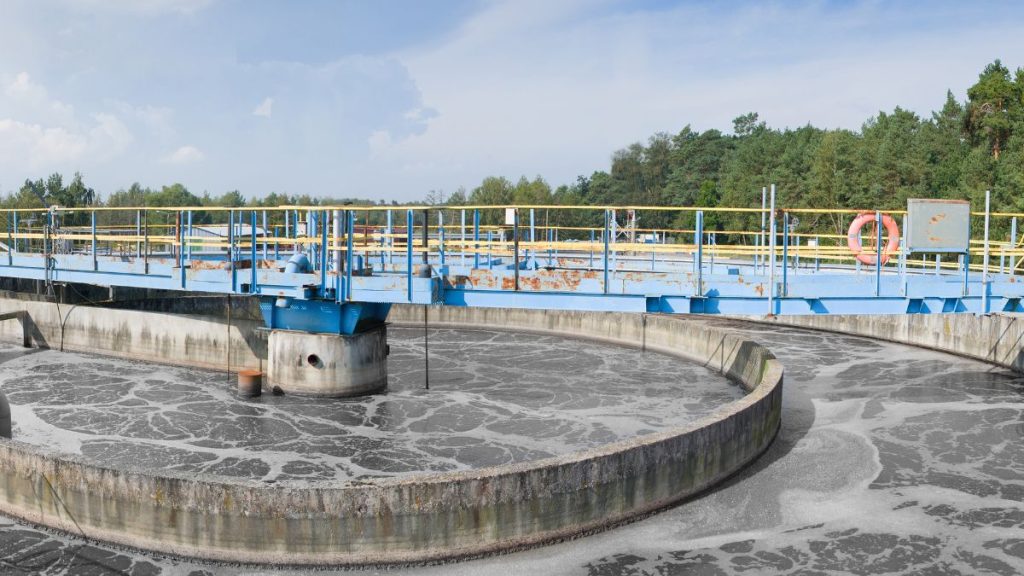
The role of aeration in water treatment is essential in ensuring that water becomes cleaner, safer, and free from unwanted gases, odors, and dissolved contaminants. Aeration is one of the earliest and most important steps in many water and wastewater treatment processes. By allowing water to interact with air, aeration improves water quality, enhances downstream treatment performance, and protects both human health and the environment.
As a trusted water solution partner, Lautan Air Indonesia supports industries, municipalities, and private sectors in implementing effective aeration and comprehensive water treatment systems. Understanding aeration will help organizations make better decisions about their treatment needs.
What Is Aeration?
Aeration is the process of mixing air with water to encourage the transfer of oxygen from the atmosphere into the water. This process increases the dissolved oxygen (DO) concentration, which plays an important role in both physical and biological water treatment processes.
Aeration can occur naturally, such as when water flows over rocks in a river, or it can be mechanically engineered in a water treatment facility. In engineered systems, aeration typically serves three main purposes:
- Adding oxygen to support biological treatment
- Removing dissolved gases such as carbon dioxide or hydrogen sulfide
- Oxidizing dissolved metals such as iron and manganese
Common aeration systems include:
- Diffused aeration, where tiny air bubbles are released through diffusers
- Mechanical surface aerators, which agitate the water surface to increase air contact
- Cascade aeration, where water flows down steps to naturally absorb oxygen
Each system is selected based on treatment objectives, plant scale, and raw water characteristics.
Read Also: Removing Iron and Manganese in Raw Water: Industrial Challenges and Effective Solutions
Why the Role of Aeration in Water Treatment Is Important?
Aeration is a critical process because it directly influences water chemistry, biological activity, and the effectiveness of downstream treatment systems. Below are the main reasons why aeration plays such a key role.
1. Improves Dissolved Oxygen Levels
Increasing dissolved oxygen levels supports aerobic microorganisms that break down organic matter in wastewater. Without sufficient oxygen, these microorganisms cannot function effectively, which leads to poor treatment performance and unwanted odors.
2. Removes Unwanted Gases
Some raw waters contain dissolved gases that may affect taste, odor, or safety. Aeration helps remove gases such as:
- Carbon dioxide
- Hydrogen sulfide
- Methane
This process is called stripping and releases these gases into the air, improving the quality of water.
3. Oxidizes Dissolved Metals
Aeration promotes oxidation, converting dissolved metals like iron and manganese into solid forms. These solids can then be removed through filtration, preventing staining, clogging, and water quality issues.
4. Reduces Odors and Improves Aesthetic Quality
Hydrogen sulfide and other organic compounds cause strong odors. Aeration significantly reduces smell while also improving taste and clarity, which is especially important in drinking water treatment.
5. Prevents Algae Growth in Certain Systems
By increasing oxygen circulation and disrupting stagnant zones, aeration can help control algae growth in ponds, reservoirs, and certain treatment systems.
6. Supports Environmental Protection
Proper aeration helps ensure that treated effluent discharged into natural water bodies meets environmental standards. This helps protect aquatic ecosystems and public health.
Because of these benefits, aeration is widely applied in industrial, municipal, and commercial water and wastewater treatment systems worldwide.
The Aeration Process in Water Treatment
The aeration process involves both physical mixing and oxygen transfer. Although system design may vary, the aeration process generally follows these stages:
Stage 1 — Contact Between Air and Water
The key to effective aeration is maximizing the surface area where air and water interact. This is achieved either by:
- Introducing bubbles into the water through diffusers
- Agitating the water surface using mechanical mixers or aerators
- Smaller bubbles increase contact time and improve oxygen transfer efficiency.
Stage 2 — Oxygen Transfer
Once air and water contact each other, oxygen molecules dissolve into the water. The rate of transfer depends on factors such as:
- Bubble size
- Water temperature
- Mixing intensity
- Existing oxygen concentration
Warmer water holds less oxygen than cold water, so aeration requirements may differ based on climate and operating conditions.
Stage 3 — Chemical and Biological Reactions
As oxygen enters the water, it triggers several important reactions:
- Oxidation of metals such as iron and manganese
- Breakdown of organic pollutants by aerobic microorganisms
- Reduction of dissolved gases
These reactions improve water quality and prepare it for the next treatment stages, such as sedimentation, filtration, or biological treatment.
Stage 4 — Final Conditioning
After aeration, water may undergo additional treatment such as:
- Clarification
- Filtration
- Disinfection
- Sludge management
Aeration strengthens the performance of these processes, making the overall treatment system more efficient and reliable.
Read Also: Optimizing Sludge Water Treatment for Efficiency
Aeration as Part of Integrated Water Treatment Solutions
Aeration is rarely a standalone solution. It works best when combined with complete and well-engineered water treatment systems.
This is where Lautan Air Indonesia plays an important role.
With decades of experience in the water treatment industry, Lautan Air Indonesia delivers end-to-end water treatment solutions, including:
- System design and engineering
- Equipment supply and installation
- Operation and maintenance support
- Water quality analysis and optimization
- Chemical supply for treatment processes
Whether your facility requires raw water treatment, process water treatment, cooling water, boiler feed water, or wastewater solutions, our team provides tailored aeration and treatment systems that meet regulatory standards and operational needs.
Partner With Lautan Air Indonesia
Understanding the role of Aeration in water treatment is the first step. Implementing the right system is the next step. Selecting the proper aeration design ensures efficiency, safety, and sustainability across your water operations.
If your business or facility is looking to:
- Improve water quality
- Reduce odors
- Optimize biological treatment
- Remove dissolved metals
- Enhance environmental compliance
Then it is time to partner with a trusted and experienced water solution provider.
Lautan Air Indonesia is committed to being your Water Solution Partner for a Better World. Our specialists are ready to help you design, install, and maintain the right aeration and water treatment systems tailored to your needs.
Let us support your journey toward cleaner water, sustainable operations, and long-term reliability. Contact us to learn more.