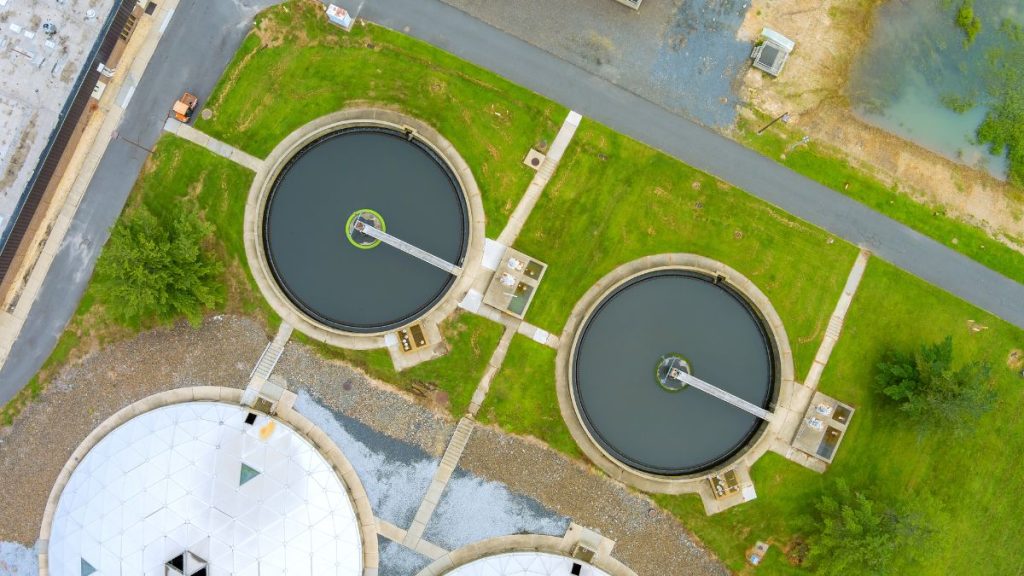
A wastewater treatment plant (WWTP) is a vital facility for industries, municipalities, and commercial operations that need to manage and treat contaminated water before it is discharged into the environment. As environmental regulations become stricter and sustainability expectations increase, the role of WWTPs has never been more critical.
For companies across Indonesia, having a reliable partner like Lautan Air Indonesia ensures that wastewater is treated efficiently, safely, and in full compliance with national standards.
What Is a Wastewater Treatment Plant?
A wastewater treatment plant is an integrated system designed to remove pollutants from wastewater generated by industrial operations, production processes, domestic use, or commercial activities. Its purpose is to convert contaminated water into an effluent that can be safely released or reused.
WWTPs handle a wide range of pollutants, such as:
- Suspended solids
- Organic materials
- Oils and grease
- Pathogens
- Chemical contaminants
- Heavy metals
- Nutrients (nitrogen, phosphorus)
- Color and odor-causing compounds
The specific design of a WWTP depends on the type of industry, the characteristics of the wastewater, and the required discharge standards. Although treatment processes may vary, the ultimate goal remains the same: ensuring that the effluent produced is environmentally safe and compliant with government regulations.
For organizations seeking dependable performance and expert guidance, Lautan Air Indonesia provides comprehensive solutions tailored to each industry’s wastewater profile.
The Functions and Purposes of a Wastewater Treatment Plant
A wastewater treatment plant serves several critical functions that support environmental protection, operational efficiency, and regulatory compliance. Below are the main reasons why industries rely on WWTPs.
1. Environmental Protection
One of the primary purposes of a WWTP is to prevent pollution. When untreated wastewater is discharged directly into natural water bodies, it can cause severe environmental damage, including:
- Contamination of rivers, lakes, and groundwater
- Destruction of aquatic ecosystems
- Algal blooms caused by excessive nutrients
- Long-term soil degradation
- Negative impacts on biodiversity
A functioning WWTP ensures that harmful pollutants are removed or reduced to acceptable levels, helping companies fulfill their environmental responsibilities.
Read Also: Water Treatment in Sustainability: The Key to a Greener Future
2. Compliance with Government Regulations
Government regulations in Indonesia impose strict limits on the discharge of wastewater. These regulations control parameters such as BOD, COD, TSS, pH, oil and grease, ammonia, phosphates, and others depending on industrial sector.
Non-compliance can lead to:
- Legal sanctions
- Fines and operational shutdowns
- Reputational damage
- Loss of business opportunities
A wastewater treatment plant allows industries to meet these regulations consistently. Lautan Air Indonesia assists companies by providing chemicals, system enhancements, and operational support that ensure stable compliance.
3. Protecting Human Health
Untreated wastewater contains pathogens and toxic compounds that can cause:
- Waterborne diseases
- Skin and respiratory irritation
- Long-term health risks from heavy metals or chemical exposure
WWTPs help minimize public health risks by removing contaminants that are harmful to workers, communities, and the general population.
4. Enabling Water Reuse and Resource Recovery
As industries aim for sustainability and operational efficiency, WWTPs support opportunities for:
- Reusing treated water for cooling towers
- Process water recycling
- Irrigation and landscaping
- Boiler feed preparation (with advanced treatment)
Beyond water reuse, some WWTPs can also support resource recovery, such as energy generation from biogas or the extraction of valuable materials. This contributes to circular economy initiatives and helps industries reduce overall water consumption.
Lautan Air Indonesia assists clients in evaluating the feasibility of water reuse and provides the technologies and chemicals needed to support advanced recycling programs.
5. Improving Operational Efficiency
A well-managed wastewater treatment plant can significantly reduce operational disruptions. Efficient wastewater handling helps industries:
- Prevent pipeline blockages
- Avoid overloading production systems
- Reduce downtime
- Minimize maintenance costs
- Lower chemical and energy consumption
With proper management and optimization, WWTPs become a strategic asset rather than an operational burden.
Why Industries Need Wastewater Treatment Plants
Industries across Indonesia increasingly depend on wastewater treatment plants for reasons beyond compliance. Key drivers include:
- Growing production volumes: As manufacturing activity increases, so does wastewater generation. A reliable WWTP ensures uninterrupted operations.
- Stricter quality standards: Buyers and global supply chains expect high environmental performance, making WWTPs crucial for business continuity.
- Corporate sustainability goals: Companies now target zero discharge, water neutrality, or net-zero environmental impact—goals that depend on an efficient WWTP.
- Community expectations: Industrial facilities must operate responsibly to maintain good relations with surrounding communities. Clean and compliant wastewater supports this commitment.
Lautan Air Indonesia helps industries meet these evolving expectations through complete wastewater treatment solutions.
Read Also: What is Wastewater Treatment? Professional Process and Solutions from Lautan Air Indonesia
Partner with Lautan Air Indonesia for Your Wastewater Treatment Needs
A wastewater treatment plant is an essential component of modern industry, ensuring environmental protection, regulatory compliance, and sustainable business operations. Whether your facility needs chemical solutions, new equipment, professional O&M support, or a complete system evaluation, Lautan Air Indonesia provides the expertise and solutions to help you achieve safe, efficient, and compliant wastewater management.
Contact Lautan Air Indonesia today to discover how we can support your WWTP performance and sustainability goals.