In every industrial or municipal water treatment plant, one of the key operational goals is to reduce chemical consumption in water treatment without compromising water quality. While many focus on optimizing chemical dosing systems or selecting the right coagulants and polymers, a less obvious but equally important factor often gets overlooked: maintenance.
Poorly maintained equipment and systems can lead to chemical inefficiencies, unnecessary waste, and increased operational costs. On the other hand, effective preventive maintenance not only ensures plant reliability but also enhances chemical utilization and overall treatment performance.
How Poor Maintenance Leads to Wasted Coagulant or Polymer
Water treatment relies on precise chemical dosing to achieve the desired results, whether it’s coagulation, flocculation, disinfection, or pH adjustment. However, when the mechanical and instrumentation systems responsible for this dosing process are not properly maintained, several inefficiencies can arise.
1. Inaccurate Dosing Systems
Dosing pumps, flow meters, and control valves are essential for accurate chemical delivery. Over time, these components may experience wear, clogging, or calibration drift. A dosing pump operating below efficiency may underdose or overdose chemicals, leading to poor coagulation results and higher consumption rates. Even small inaccuracies in dosing calibration can cause significant chemical waste over weeks or months of operation.
Read Also: The Role of Dosing Pumps in Water Treatment Systems
2. Clogged or Fouled Pipes and Mixers
Without regular cleaning and inspection, build-up of scale, sludge, or biofilm can occur in chemical lines and mixers. This build-up reduces flow consistency and mixing efficiency, forcing operators to increase chemical dosages to maintain target turbidity or TSS levels. Poor mixing also prevents coagulants or polymers from properly reacting with suspended particles, which means more chemicals are needed to achieve the same results.
3. Sensor Malfunction and Data Inaccuracy
In modern treatment systems, sensors such as turbidity meters, pH probes, or online coagulant controllers play a critical role in maintaining process stability. However, when these instruments are not regularly calibrated or cleaned, they can provide false readings. A turbidity sensor with fouling, for instance, might indicate high TSS levels even when water quality is stable, prompting operators to increase chemical dosing unnecessarily.
4. Reduced Equipment Efficiency
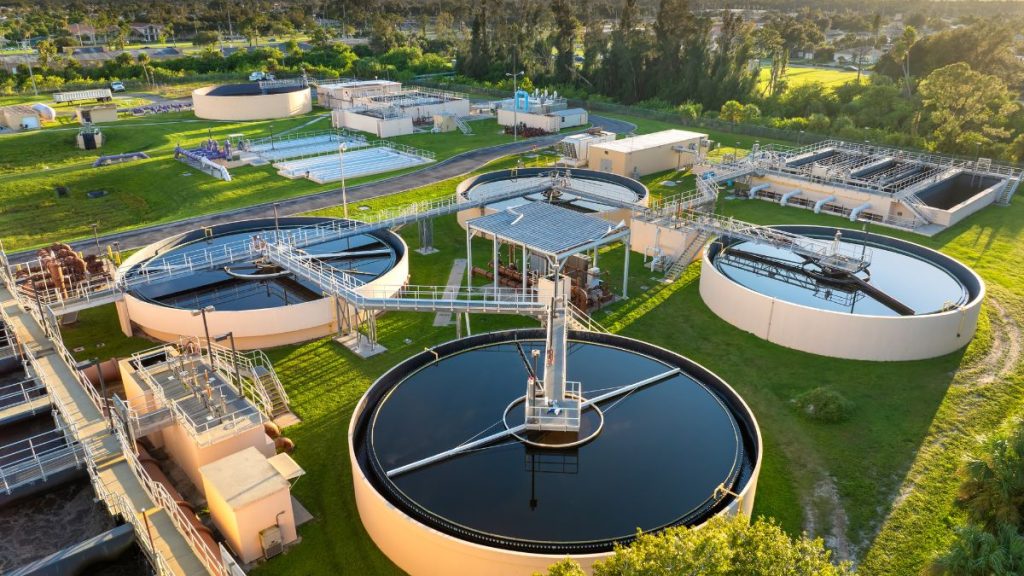
Clarifiers, filters, and sedimentation tanks rely on optimal hydraulic flow and even distribution. When sludge withdrawal systems or filter backwash sequences are not functioning properly, solids can accumulate excessively, reducing efficiency and increasing chemical demand. Poor equipment performance increases the chemical dosage required to consistently deliver the desired water quality.
The Role of Preventive Maintenance in Chemical Efficiency
Preventive maintenance is not only about avoiding downtime or costly repairs; it is also a strategy to reduce chemical consumption water treatment by improving the precision and consistency of the treatment process. Through regular inspection, calibration, and system optimization, preventive maintenance helps ensure that every drop of chemical added to the system contributes effectively to water purification.
1. Calibration and Optimization of Dosing Systems
Routine calibration of dosing pumps and flow meters ensures accurate chemical delivery based on real-time water conditions. By verifying that each component functions within specified tolerances, operators can avoid underdosing or overdosing issues. Preventive maintenance schedules that include chemical feed system calibration can directly translate into measurable chemical savings and improved process stability.
Read Also: Common Dosing Pump Issues in Water Treatment Systems and How to Troubleshoot Them
2. Regular Cleaning and Flushing of Lines
Cleaning and flushing chemical lines, mixers, and storage tanks prevent sediment build-up and clogging. This ensures consistent flow and proper mixing of coagulants or polymers with raw water. Maintenance activities like these not only maintain chemical efficiency but also extend equipment lifespan and reduce unplanned downtime.
3. Scheduled Instrument Calibration
Reliable water quality monitoring instruments are critical for process control. Preventive maintenance should include periodic calibration and verification of sensors such as turbidity meters, pH probes, conductivity sensors, and flow monitors. By maintaining data accuracy, operators can make informed dosing adjustments, minimizing chemical waste and optimizing performance.
4. Mechanical and Structural Inspections
Regular inspection of clarifiers, pipelines, tanks, and filter systems ensures that all mechanical parts are functioning properly. Preventing leaks, corrosion, or structural degradation reduces the chance of operational inefficiencies that can increase chemical usage. For example, an uneven sludge blanket in a clarifier may cause poor solid-liquid separation, increasing the need for coagulants.
5. Predictive Maintenance through Data Monitoring
Modern water treatment facilities are increasingly adopting predictive maintenance powered by real-time monitoring and data analytics. By identifying early signs of performance decline, such as flow rate reduction or energy anomalies, predictive systems can prevent failures before they affect chemical dosing efficiency. Integration with SCADA or IoT-based monitoring allows operators to respond proactively and optimize both mechanical and chemical performance.
Read Also: How Online Monitoring Improves Water Treatment Performance
Integrated Water Treatment Solutions with Lautan Air Indonesia
Achieving significant chemical consumption reduction requires an integrated strategy that goes beyond high-quality products. Industries must combine preventive maintenance, system optimization, and expert technical support. Lautan Air Indonesia delivers these complete solutions, ensuring water treatment plants operate efficiently and maximize chemical performance.
Our Operation & Maintenance (O&M) services ensure that every component, from dosing pumps to clarifiers, runs under ideal conditions. Through regular maintenance, calibration, and performance audits, we help facilities minimize chemical waste and maintain consistent treatment quality. With our chemical optimization programs, we combine reliable coagulants and polymers with precise process control, enabling our field engineers to tailor dosing based on turbidity, pH, TSS, and organic load for maximum efficiency.
We also integrate controller and IoT-based monitoring systems that allow real-time tracking of dosing performance and water quality parameters. Early detection of process deviations enables quick corrective action, preventing overdosing and reducing overall chemical usage. This comprehensive approach not only improves operational efficiency but also extends equipment lifespan and enhances water treatment reliability.
Optimize your water treatment performance by partnering with Lautan Air Indonesia, your trusted expert in effective water and wastewater management. Contact us here for more information.