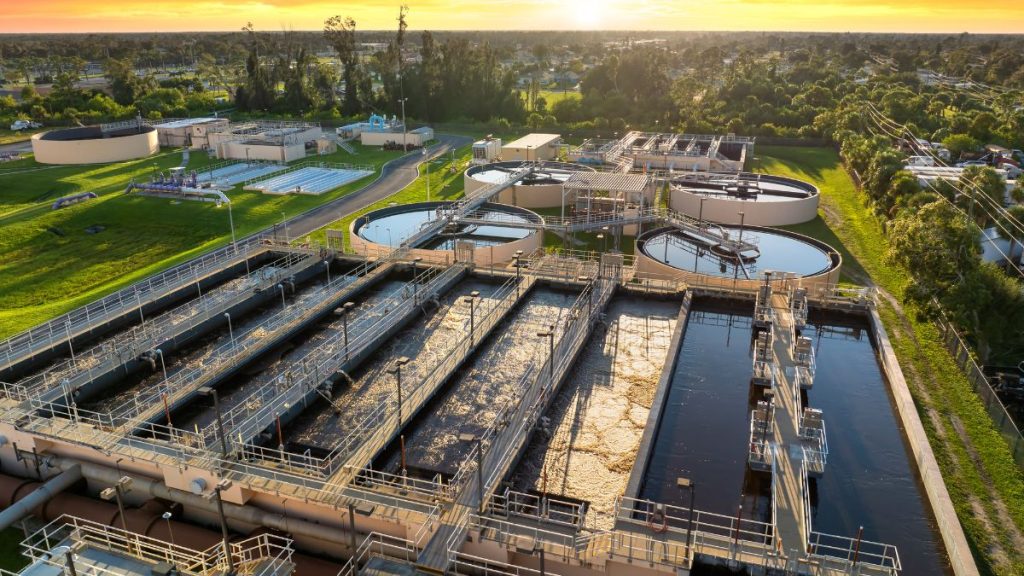
In wastewater treatment plants, sludge dewatering is a critical process for reducing the volume of sludge generated from various treatment stages. By removing excess water, this process helps lower disposal costs, reduce environmental impact, and improve overall plant efficiency.
As industries face stronger pressure to operate sustainably and comply with stricter environmental regulations, optimizing sludge dewatering has become an essential part of cost-effective and responsible wastewater management.
What Is Sludge Dewatering?
Sludge dewatering is a mechanical process designed to remove as much water as possible from sludge, which is the semi-solid byproduct of wastewater treatment. The primary objective is to reduce sludge volume so it becomes easier, safer, and more economical to handle, transport, and dispose of.
Unlike sludge thickening, which mainly concentrates solids, sludge dewatering produces a solid or cake-like material with significantly lower moisture content. This process typically takes place after biological or chemical treatment and is widely used in both municipal and industrial wastewater treatment systems.
Common sludge dewatering methods include:
- Centrifugation: Uses centrifugal force to separate water from solids efficiently, making it suitable for high-capacity operations.
- Belt Filter Press: A continuous dewatering process where sludge is compressed between moving filter belts to extract water.
- Plate and Frame Filter Press: A batch process that applies high pressure to achieve higher cake dryness.
- Screw Press: Operates at low speed with relatively low energy consumption and is effective for various sludge types.
Each method offers specific advantages depending on sludge characteristics, treatment capacity, and disposal requirements.
Read Also: Getting to Know the Dewatering Process and the Best Methods for Water Treatment
Strategies for Optimizing Sludge Dewatering
Improving sludge dewatering performance requires a combination of proper conditioning, reliable equipment, and consistent process control. The following strategies help achieve higher efficiency while controlling operational costs.
1. Proper Sludge Conditioning
Chemical conditioning plays a key role in effective sludge dewatering. Coagulants and flocculants are added to improve particle aggregation, allowing water to be released more easily during mechanical separation.
- Coagulants such as Poly-Aluminium Chloride (PAC) or Aluminium Sulfate neutralize particle charges and initiate floc formation.
- Flocculants, including anionic or cationic polymers, strengthen flocs and improve water separation efficiency.
Selecting the right chemical type and dosage directly impacts cake dryness and polymer consumption.
2. Optimizing Equipment Performance
The performance of dewatering equipment strongly influences overall results. Routine inspection, maintenance, and operational adjustments help maintain stable and efficient sludge dewatering operations.
Key optimization actions include:
- Increasing filter press pressure to improve sludge cake dryness
- Adjusting centrifuge speed to balance separation efficiency and floc stability
- Cleaning filter media regularly to prevent clogging and capacity loss
Advanced monitoring and control systems also support real-time performance tracking and early detection of operational issues.
Read Also: Understanding the Sludge Thickening Process: Optimizing Water Treatment Efficiency
3. Managing Sludge Feed Characteristics
Sludge properties such as particle size, organic content, and origin significantly affect dewatering efficiency. Sludge with high organic or colloidal content is generally more difficult to dewater.
Upstream process control can help stabilize sludge quality by:
- Maintaining stable biological treatment conditions
- Adjusting pH to support better floc formation
- Limiting oil, grease, and fibrous materials that interfere with separation
Consistent feed characteristics lead to more predictable and efficient sludge dewatering performance.
4. Integrating Polymer Optimization Programs
Automated polymer dosing systems help maintain accurate chemical application based on sludge variability. Proper optimization prevents overuse of chemicals, reduces operating costs, and ensures consistent sludge cake quality.
Routine jar testing and performance evaluations are essential to determine the most effective polymer type and dosage for specific sludge conditions.
5. Leveraging Process Automation and Data Monitoring
Modern sludge dewatering systems increasingly rely on automation and IoT-based monitoring. Real-time data on flow rate, torque, cake dryness, and chemical consumption enables operators to respond quickly to process changes.
This data-driven approach supports predictive maintenance, reduces downtime, and improves long-term system reliability.
6. Ensuring Proper Operation and Maintenance
Well-trained operators and structured maintenance programs are critical for sustainable sludge dewatering performance. Preventive maintenance activities should include:
- Regular inspection of belts, bearings, and filter fabrics
- Scheduled lubrication of moving components
- Calibration of sensors and flow measurement devices
Consistent maintenance reduces unexpected failures and extends equipment service life.
The Benefits of Efficient Sludge Dewatering
An optimized sludge dewatering process delivers measurable benefits across operational, environmental, and economic aspects.
1. Reduced Sludge Volume and Disposal Costs
Effective sludge dewatering can reduce sludge volume by up to 70 percent or more. Lower moisture content significantly reduces transportation and disposal expenses, especially when costs are calculated based on weight or volume.
The Benefits of Efficient Sludge Dewatering
Optimizing sludge dewatering provides multiple operational, environmental, and economic benefits across industries. Below are the key advantages of an efficient dewatering process:
1. Reduced Sludge Volume and Disposal Costs
The most direct benefit of sludge dewatering is the significant reduction in sludge volume, often by 70% or more. With less water content, the weight and volume of sludge decrease dramatically, leading to lower transportation and disposal costs. This is particularly beneficial for facilities where disposal costs are based on tonnage or volume.
Read Also: How to Overcome High Sludge Volume Index (SVI) in Wastewater Treatment
2. Improved Handling and Storage
Dewatered sludge in cake form is easier to manage, store, and transport. It reduces the risk of spills, odors, and environmental contamination during handling.
3. Enhanced Energy Recovery and Resource Utilization
With higher solids content, dewatered sludge becomes more suitable for energy recovery processes such as incineration or anaerobic digestion, supporting circular economy initiatives.
4. Lower Environmental Impact
Reduced water content minimizes leachate generation during transportation and disposal, helping protect soil and groundwater quality.
5. Compliance with Environmental Regulations
Many regulations require industries to reduce waste volume and moisture before disposal. Proper sludge dewatering supports compliance with local and national environmental standards and helps avoid penalties.
6. Operational Efficiency and Cost Savings
Optimized sludge dewatering reduces chemical usage, energy consumption, and operational disruptions, resulting in long-term cost savings and improved return on investment.
Partnering with Lautan Air Indonesia for Sludge Dewatering Solutions
Achieving reliable sludge dewatering performance requires both the right technology and experienced technical support. Lautan Air Indonesia (LAI) brings over 40 years of expertise in water and wastewater treatment solutions for industries across Indonesia.
Our sludge dewatering solutions include:
- Customized Chemical Programs tailored to specific sludge characteristics
- System Optimization and O&M Services to ensure consistent equipment performance
- Automation and Monitoring Systems for real-time process control
- Technical Support and Operator Training to maintain long-term reliability
Whether your objective is to improve sludge dryness, reduce disposal costs, or strengthen environmental compliance, Lautan Air Indonesia provides integrated solutions from chemical supply to system optimization.
Contact Lautan Air Indonesia today to learn how our sludge dewatering solutions can help optimize your operations, control costs, and support sustainable wastewater management.