
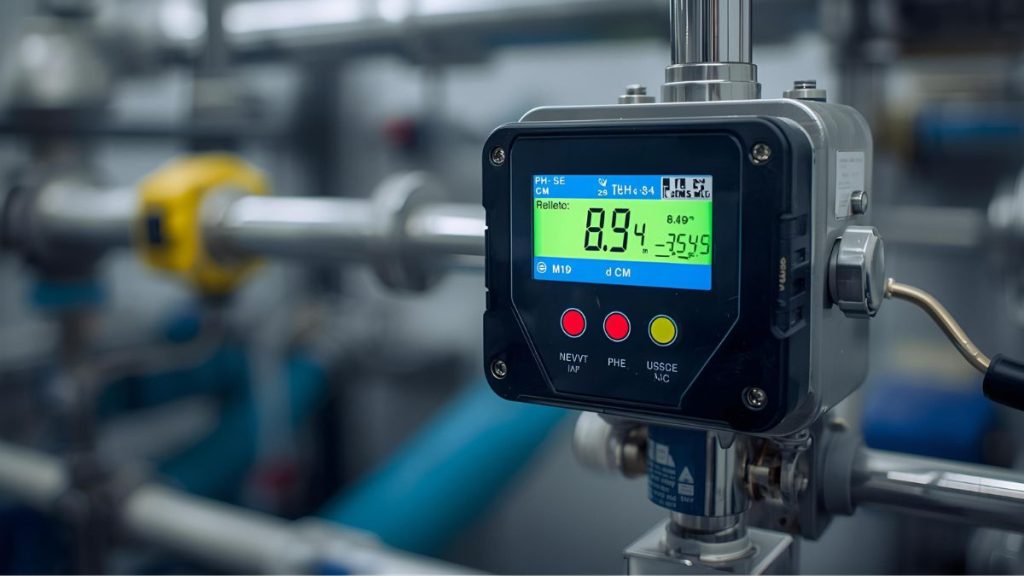
In industrial operations, the role of pH controller in boiler systems is critical to maintaining reliability, efficiency, and safety. Boilers operate as the backbone of many facilities, from manufacturing plants to power generation units, and their performance is closely tied to water chemistry control. One of the most important parameters in boiler water treatment is pH, as it directly influences corrosion, scaling, and overall system integrity.
Without accurate monitoring and control, improper pH levels can lead to equipment damage, reduced energy efficiency, unplanned shutdowns, and increased operating costs.
What Is the Role of pH Controller in Boiler Systems?
Boiler systems rely on water as the heat transfer medium, making water chemistry balance essential. A pH controller is a dedicated instrument or automated system designed to continuously measure and regulate the acidity or alkalinity of boiler water, ensuring it stays within the recommended operating range.
1. Preventing Corrosion
When boiler water pH drops below the recommended level and becomes acidic, corrosion accelerates rapidly. This corrosion weakens metal surfaces, increases the risk of leaks, and shortens boiler lifespan. A pH controller helps prevent this damage by maintaining a controlled alkaline environment that protects metal components.
2. Reducing Scaling and Deposits
Excessively high pH levels can also create problems. High alkalinity promotes scale formation from calcium carbonate and other minerals. Scaling reduces heat transfer efficiency, increases fuel consumption, and can lead to localized overheating. By maintaining a balanced pH, a pH controller minimizes the risk of scale buildup.
Read Also: The Importance of Condensate Treatment for Reliable Boiler Operations
3. Enhancing Efficiency and Equipment Longevity
Boilers represent a major capital investment. Consistent pH control helps stabilize water chemistry, reduce chemical overuse, limit fouling, and support efficient heat transfer. Over time, this translates into longer equipment life and fewer unplanned maintenance events.
4. Improving Operational Safety
Uncontrolled pH fluctuations can cause both corrosion-related failures and scaling-induced overheating. These conditions pose serious safety risks, including system failures and production interruptions. A pH controller adds a critical layer of protection through continuous, real-time monitoring and automated correction.
In practice, the role of a pH controller in boiler operation is to protect assets, support efficiency, and reduce operational risk.
How to Control pH in Boilers
Effective pH control requires more than chemical addition. It involves monitoring, automation, and proper treatment strategies working together.
1. Recommended pH Ranges
- Feedwater: Typically maintained at 8.5 to 9.5 to limit corrosion
- Boiler water (low to medium pressure): Around 10.5 to 11.5 to balance corrosion and scaling
- Condensate return: Slightly alkaline, about 8.5 to 9.2, to reduce carbonic acid corrosion
Exact pH targets depend on boiler pressure, system design, and feedwater quality.
2. Role of pH Controller in Boiler
pH controllers continuously measure boiler water pH and automatically adjust chemical dosing. These systems are commonly integrated with dosing pumps to deliver alkalizing agents or neutralizing amines as needed, ensuring fast and accurate correction.
3. Chemical Treatment Support
- Alkalizing agents such as sodium hydroxide or ammonia help raise pH and protect against corrosion
- Phosphate treatments assist with scale control and pH buffering
- Neutralizing amines protect the condensate system by neutralizing carbonic acid
4. Regular Verification and Sampling
Even with automated systems, periodic manual sampling remains important. This confirms sensor accuracy and ensures treatment programs remain aligned with actual operating conditions.
5. Integration with Other Boiler Controls
pH control works best when combined with conductivity, dissolved oxygen, and hardness monitoring. Together, these parameters form a complete boiler water treatment program that improves reliability and consistency.
Best Practices for pH Control in Boilers
Effective pH management requires a structured and disciplined approach.
1. Select the Right pH Controller
Use industrial-grade pH controllers designed for continuous operation. Features such as alarms, automatic dosing, data logging, and remote monitoring help operators respond quickly and maintain stable conditions.
2. Perform Regular Calibration
pH probes can drift due to fouling and aging. Routine calibration ensures accurate readings and prevents incorrect chemical dosing.
3. Apply High-Quality Treatment Chemicals
Using boiler-approved chemicals reduces the risk of secondary issues such as sludge formation or unstable pH behavior.
4. Train Operating Personnel
Operators should understand pH trends, alarm responses, and basic water chemistry principles. Proper training improves consistency and reduces human error.
5. Maintain the System Proactively
Routine maintenance, including probe cleaning and dosing pump inspection, prevents unexpected failures and extends system life.
6. Work with Water Treatment Specialists
Boiler water chemistry becomes more complex when raw water quality fluctuates. Expert support ensures optimized dosing strategies and long-term boiler protection.
Read Also: Understanding the Difference Between Cation and Anion Ion Exchange Resin
Conclusion
The role of pH controller in boiler systems is essential for controlling corrosion, minimizing scaling, improving efficiency, and ensuring safe operation. Maintaining the correct pH protects boiler assets, stabilizes performance, and reduces operational costs.
Effective boiler pH control goes beyond installing equipment. It requires reliable controllers, appropriate chemical programs, trained operators, and expert guidance. This is where Lautan Air Indonesia provides added value.
Lautan Air Indonesia offers comprehensive boiler water treatment solutions, including:
- Advanced pH Controllers and Monitoring Systems designed for industrial boiler applications
- High-Quality Treatment Chemicals including alkalizing agents, phosphates, and neutralizing amines
- Customized Treatment Programs tailored to boiler type, operating pressure, and raw water quality
- Operation and Maintenance Services covering calibration, monitoring, and optimization
- Technical Expertise and Training to support best practices and long-term reliability
By partnering with Lautan Air Indonesia, you gain a complete boiler water treatment solution that supports safer, more efficient, and longer-lasting boiler operations.
Contact Lautan Air Indonesia today to learn how our pH control solutions can strengthen your boiler performance and operational reliability.