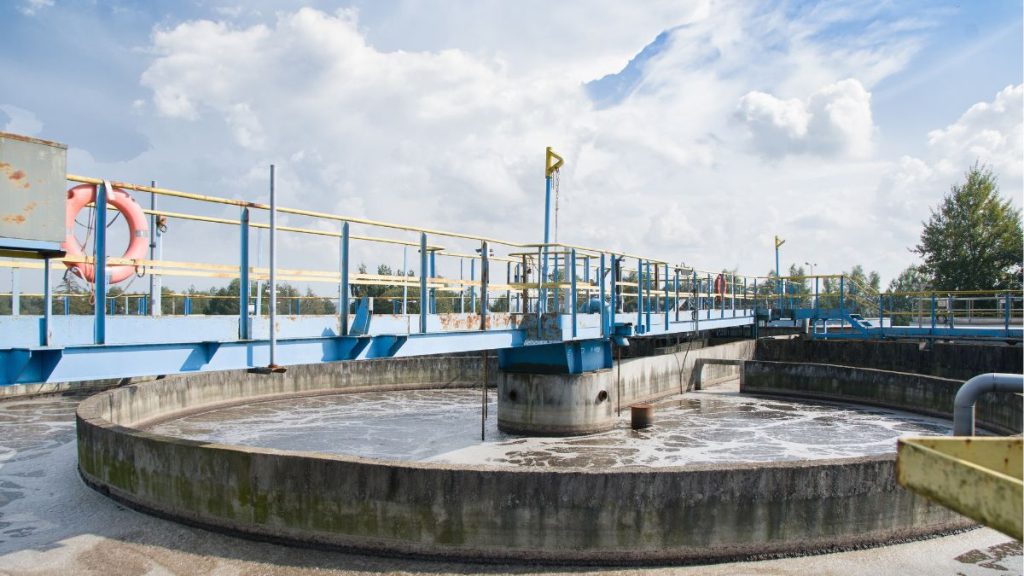
Phosphorus removal is a critical process in modern wastewater treatment systems. While phosphorus is a naturally occurring and essential nutrient, excessive concentrations in wastewater can severely impact aquatic ecosystems, disrupt treatment plant operations, and lead to regulatory non-compliance.
Without effective phosphorus removal, treated effluent can accelerate environmental degradation and increase long-term operational risks for wastewater treatment plants (WWTPs), both industrial and municipal.
Why Is Phosphorus Removal Necessary in Wastewater Treatment?
Phosphorus in wastewater typically originates from detergents, domestic sewage, food and beverage industries, agricultural runoff, and certain industrial processes. When discharged without proper treatment, high phosphorus concentrations can cause significant environmental and operational problems.
1. Preventing Eutrophication and Environmental Damage
The primary reason for phosphorus removal in wastewater is to prevent eutrophication. Excess phosphorus stimulates uncontrolled algal growth in rivers, lakes, and coastal waters.
As algae proliferate and later decompose, dissolved oxygen levels decrease, leading to hypoxia. This condition can cause fish kills, disrupt aquatic food chains, and destroy natural habitats. Effective phosphorus removal helps protect water bodies and preserve ecosystem balance.
2. Compliance with Environmental Regulations
Many countries, including Indonesia, enforce strict discharge limits for phosphorus in wastewater effluent. These regulations are designed to protect water quality and support long-term environmental sustainability.
Wastewater treatment plants must therefore implement reliable phosphorus removal systems to meet regulatory requirements and avoid penalties or operational restrictions consistently.
3. Protecting Wastewater Treatment Plant Operations
Uncontrolled phosphorus levels can lead to the formation of struvite deposits (magnesium ammonium phosphate) inside pipes, pumps, and mechanical equipment. Struvite scaling reduces hydraulic efficiency, increases maintenance frequency, and raises operational costs.
Implementing proper phosphorus removal strategies helps extend equipment lifespan and improve overall plant performance.
Read Also: Aerobic Anaerobic Wastewater Treatment: Definition, Systems, and Comparison
Methods of Phosphorus Removal in Wastewater Treatment
Phosphorus removal is generally achieved through two main approaches: chemical phosphorus removal and biological phosphorus removal. The selection of the appropriate method depends on wastewater characteristics, effluent standards, and operational considerations.
1. Chemical Phosphorus Removal
Chemical phosphorus removal is the most widely applied method due to its reliability and rapid phosphorus reduction capability.
Working Principle
Phosphate ions react with metal salts such as aluminum, iron, or calcium to form insoluble phosphate compounds. These compounds are then removed as sludge through sedimentation.
Commonly used chemicals include:
- Aluminum Sulfate (Alum)
- Ferric Chloride (FeCl₃)
- Ferrous Sulfate (FeSO₄)
Process Overview
Chemicals are dosed at strategic points in the treatment system, such as the aeration tank, secondary clarifier, or tertiary treatment stage. The resulting precipitates settle and are removed along with the sludge for further treatment.
Advantages
- Fast and highly effective phosphorus removal
- Easy to integrate into existing WWTPs
- Stable performance under varying loads
Disadvantages
- Increased sludge production
- Higher operational costs due to continuous chemical consumption
- Potential increase in Total Dissolved Solids (TDS)
2. Biological Phosphorus Removal
Biological phosphorus removal (BPR) utilizes phosphate-accumulating organisms (PAOs) that naturally uptake excess phosphorus.
Working Principle
PAOs release phosphorus under anaerobic conditions and absorb it in large quantities during aerobic conditions, storing it as polyphosphate inside their cells. Phosphorus is ultimately removed when excess sludge is wasted.
Process Stages
- Anaerobic zone: PAOs release phosphate to generate energy
- Aerobic zone: PAOs absorb phosphorus beyond metabolic needs
- Sludge wasting: Phosphorus-rich biomass is removed from the system
Advantages
- Environmentally friendly
- Reduced chemical usage
- Lower sludge volume compared to chemical methods
Disadvantages
- More complex process control
- Sensitive to temperature, load fluctuations, and operational stability
- Requires well-designed anaerobic and aerobic zones
Read Also: Microorganisms in Wastewater Treatment: A Vital Role in the Wastewater Treatment Process
Chemical vs. Biological: Which is More Efficient?
| Aspect | Chemical Removal | Biological Removal |
| Effectiveness | Very effective in the short term | Effective if biological conditions are optimal |
| Operational Cost | High (depends on chemical usage) | Lower in the long run |
| Chemical Usage | Yes | No |
| Sludge Production | High | Lower |
| Operational Complexity | Low | High (requires microbiological control) |
| Environmental Impact | Potential to increase TDS | More environmentally friendly |
In practice, many wastewater treatment facilities use a combination of both methods to achieve maximum efficiency and ensure that the output water quality meets quality standards.
Integrated Phosphorus Removal Solutions from Lautan Air Indonesia
With over 40 years of experience in water and wastewater treatment, Lautan Air Indonesia (LAI) provides end-to-end phosphorus removal solutions for industrial and municipal wastewater treatment plants.
Our Phosphorus Removal Services Include:
1. System Consultation and Design
Customized design of wastewater treatment systems based on wastewater characteristics, discharge standards, and operational efficiency targets.
2. Supply of High-Quality Treatment Chemicals
LAI manufactures and supplies a wide range of coagulants, including:
- Poly Aluminum Chloride (PAC)
- Ferric Chloride
- Aluminum Sulfate
All products are locally produced in Indonesia, ensuring supply reliability and cost efficiency.
3. Supporting Technology and Equipment
- Automated chemical dosing systems
- Advanced clarifiers and filtration units
- SCADA and IoT-based monitoring systems
4. Operation & Maintenance (O&M)
Comprehensive O&M services to ensure consistent phosphorus removal performance and regulatory compliance.
5. System Audit and Optimization
Evaluation of existing WWTPs to assess phosphorus removal efficiency and recommend technical improvements.
Your Trusted Partner for Effective Phosphorus Removal
If your wastewater treatment plant is facing challenges in managing phosphorus levels, Lautan Air Indonesia is ready to support you with integrated, efficient, and regulation-compliant solutions.
Contact us today for a free consultation and discover the most effective phosphorus removal strategy for your wastewater treatment system.