
Managing suspended solids is one of the biggest challenges in wastewater treatment, and the right flocculant is often the key to achieving clear, clean, and compliant water. Many facilities struggle with turbidity, unstable sludge, and poor filtration performance because the flocculant selection is not optimized for their system. This article explains what a flocculant is, how it works, and how industries can choose the right one based on operational needs.
Why Industries Use Flocculants
Flocculants are essential for processes that require solids removal, water clarification, or sludge thickening. Without the proper flocculant, wastewater systems often experience issues such as:
- High turbidity
- Slow settling in clarifiers
- Overloaded filters
- Excessive chemical consumption
- Sludge that is difficult to dewater
A correct flocculant program helps improve system stability, reduce operational cost, and support consistent discharge quality.
What Is a Flocculant
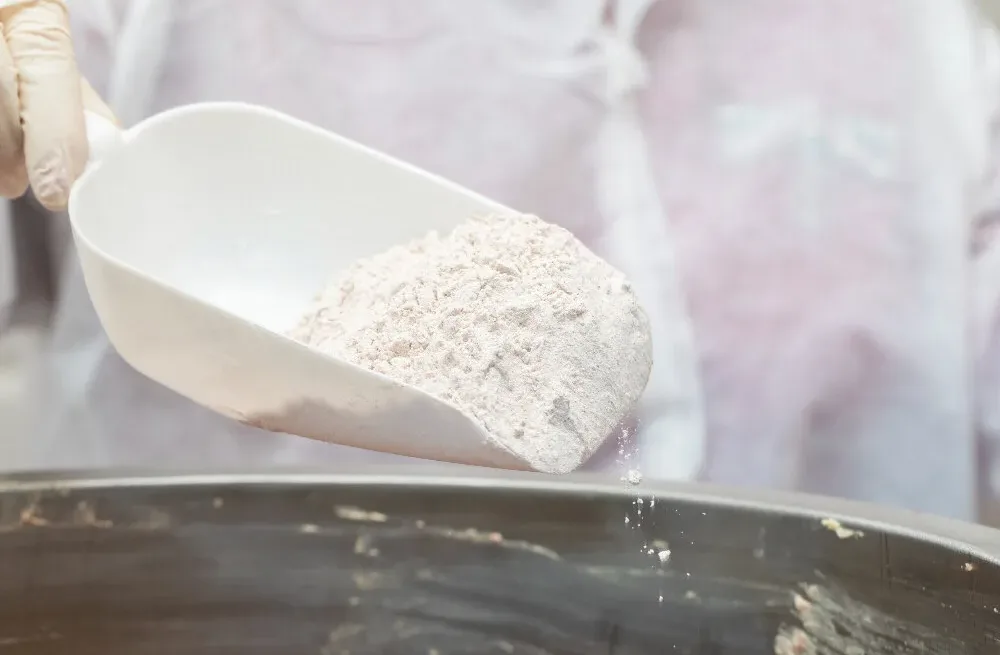
A flocculant is a chemical used to bind fine particles into larger aggregates known as flocs. These flocs either settle to the bottom or float, depending on the treatment design, making separation easier. Flocculants may be organic or inorganic and come in different charge densities, molecular weights, and forms such as powder, emulsion, or liquid.
Industries that rely heavily on flocculants include wastewater treatment, food and beverage, palm oil, mining, pulp and paper, and municipal water facilities.
Read Also: Ensure Water Quality with the Right Water Treatment Chemical
How a Flocculant Works in the Treatment Process
A flocculant can work alone or together with a coagulant. The general workflow involves:
- Destabilizing particles: A coagulant destabilizes negatively charged particles so they can begin forming clusters.
- Building flocs: The flocculant binds the destabilized particles into larger flocs that settle faster.
- Improving clarification: Larger flocs improve sedimentation, flotation, and filtration efficiency.
The main functions of a flocculant include:
- Accelerating floc formation and sedimentation
- Helping remove contaminants such as silt, organic matter, and heavy metals
- Enhancing filter performance by reducing the load on filtration media
- Supporting sludge thickening and dewatering
Tips for Selecting the Right Flocculant
Choosing the wrong flocculant often leads to chemical waste and poor system performance. Below are practical considerations used in industrial applications:
1. Identify the Type of Suspended Solids
Different water sources contain different particle sizes, compositions, and charges. Jar testing helps determine which flocculant works best.
2. Check pH Compatibility
Every flocculant has an optimal working pH. If the system pH is outside this range, performance decreases significantly.
3. Determine the Proper Dosage
Overdosing or underdosing results in unstable flocs and higher operating costs. Laboratory dosage testing is essential before full scale application.
4. Evaluate Compatibility with Other Chemicals
Coagulants, antiscalants, and disinfectants must not interfere with the flocculant’s performance. Chemical compatibility testing is important.
5. Consider Cost Efficiency
Cost is not only about price per kilogram. The right flocculant reduces sludge volume, improves clarity, and increases plant throughput.
6. Review Environmental and Safety Aspects
Consider toxicity, biodegradability, and handling requirements to ensure safe operation and compliance.
Read Also: Understanding Coagulation in Water Treatment Processes
Flocculant Solutions from Lautan Air Indonesia
With decades of experience in water and wastewater treatment, Lautan Air Indonesia provides complete solutions that help industries optimize flocculant performance.
1. Laboratory Analysis and Jar Testing
We evaluate particle characteristics, turbidity, pH, and chemical interactions to identify the most effective flocculant for your system.
2. Full Range of Flocculants
We supply an extensive selection of cationic, anionic, and non ionic flocculants formulated for:
- Water clarification
- Sludge thickening
- Dewatering
- Industrial wastewater treatment
3. Chemical Optimization and Dosing Support
Our team provides on-site assistance to ensure correct dosage, proper mixing, and stable system operation.
4. Operation and Maintenance Programs
We offer integrated O&M services that include inspection, troubleshooting, sludge-handling optimization, and performance reporting.
Improve Your Water Treatment Performance with the Right Flocculant
Selecting the right flocculant is crucial for achieving clean water, stable operations, and environmental compliance. If your system struggles with turbidity, excessive sludge, or inconsistent treatment results, the Lautan Air Indonesia team is ready to assist.
Contact us today for consultation, jar testing, or a complete evaluation of your water treatment needs.