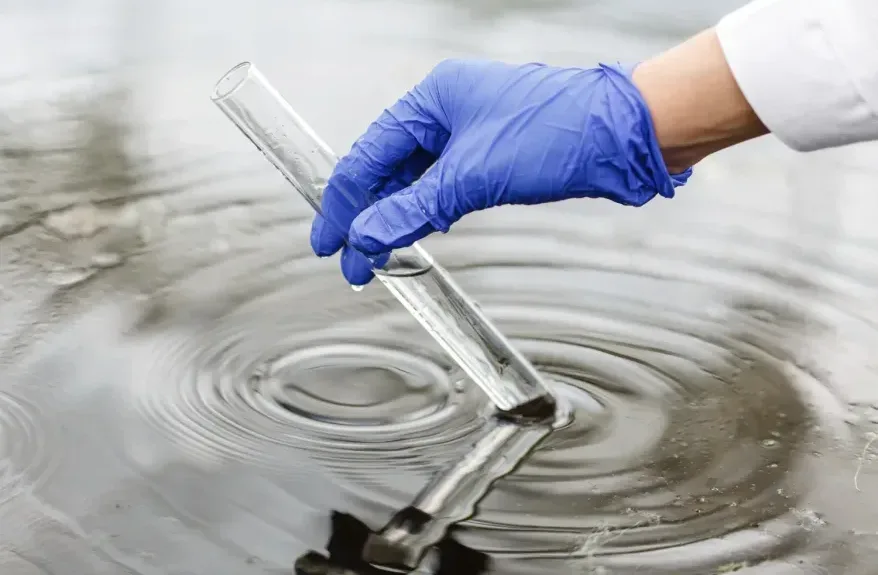
Whether for industrial operations, commercial use, or daily consumption, water must go through a structured process to meet quality standards. Without proper water treatment, issues like scaling, corrosion, contamination, and system inefficiencies can quickly arise and disrupt performance.
This article explains what water treatment is, the essential steps involved, and the different types of water treatment systems used across industries. It also highlights how the right partner can help ensure consistent and efficient results.
What Is Water Treatment
Water treatment is the process of improving water quality so it becomes suitable for a specific purpose. This purpose can vary from drinking and sanitation to industrial processes and environmental discharge.
Raw water often contains suspended solids, dissolved minerals, microorganisms, and chemical contaminants. Water treatment removes or reduces these components through physical, chemical, and biological methods.
The goal of water treatment is not only to meet regulatory standards but also to protect equipment, maintain operational efficiency, and ensure safety.
Water Treatment Steps
A reliable water treatment system follows a sequence of steps designed to progressively improve water quality. While the exact configuration may vary, most systems include the following stages.
1. Coagulation and Flocculation
At this stage, chemicals known as coagulants are added to the water to destabilize fine particles. These particles then combine into larger clusters called flocs with the help of flocculants. This makes them easier to remove in the next stage.
2. Sedimentation
The formed flocs settle at the bottom of a tank due to gravity. This process reduces the load of suspended solids and prepares the water for further filtration.
3. Filtration
Water passes through filter media such as silica sand, anthracite, or activated carbon. This step removes remaining suspended particles, turbidity, and some organic compounds.
4. Disinfection
Disinfection eliminates harmful microorganisms such as bacteria and viruses. Common methods include chlorination, ultraviolet light, and ozone treatment.
5. Advanced Treatment
Depending on the required water quality, additional processes may be applied. These include ion exchange for hardness removal, reverse osmosis for desalination, and membrane filtration for fine contaminant removal.
Each step plays a critical role. Skipping or poorly managing one stage can reduce the effectiveness of the entire system.
Types of Water Treatment
Water treatment is not a one-size-fits-all solution. Different applications require different approaches based on the source and intended use of the water.
1. Industrial Water Treatment
Used in manufacturing, power plants, and processing industries, this type focuses on maintaining equipment performance and preventing scaling, fouling, and corrosion. It often involves chemical dosing, cooling water treatment, and boiler water management.
2. Wastewater Treatment
This process treats used water from industrial or domestic sources before it is discharged or reused. It involves physical, chemical, and biological processes to remove pollutants and meet environmental regulations.
Read Also: What is Wastewater Treatment? Professional Processes and Solutions
3. Drinking Water Treatment
Designed to make water safe for human consumption, this type emphasizes removing pathogens, harmful chemicals, and unpleasant taste or odor.
4. Process Water Treatment
Used in industries such as food and beverage, pharmaceuticals, and electronics, process water treatment ensures water meets strict quality requirements that directly affect product quality.
5. Desalination and Advanced Treatment
For areas with limited freshwater resources, desalination and advanced membrane technologies convert seawater or brackish water into usable water.
What to Consider in Water Treatment
Choosing the right water treatment system requires understanding several factors.
- Raw water characteristics such as turbidity, pH, and contaminants
- Required output quality based on application
- Operational efficiency and maintenance needs
- Chemical compatibility and dosing accuracy
- Long-term cost and sustainability
A well-designed system balances performance, cost, and reliability.
Delivering Reliable Water Treatment Performance
Effective water treatment is not just about installing equipment. It requires the right combination of chemicals, systems, and operational expertise.
Lautan Air Indonesia (LAI) provides integrated water treatment solutions designed to address real operational challenges. From raw water treatment to wastewater management, the approach focuses on delivering consistent performance and measurable results.
The support includes:
- Water treatment chemicals such as coagulants, flocculants, and disinfectants
- System design and equipment selection tailored to specific needs
- Operation and maintenance support to ensure system reliability
- Technical consultation based on water analysis and field conditions
By combining products and expertise, LAI helps industries maintain water quality, protect assets, and improve efficiency.
Ready to improve your water treatment system? If you are facing challenges with water quality, system efficiency, or regulatory compliance, it may be time to review your current approach.
Get in touch with Lautan Air Indonesia to explore solutions tailored to your specific needs. A more reliable water treatment system starts with the right strategy and the right support.